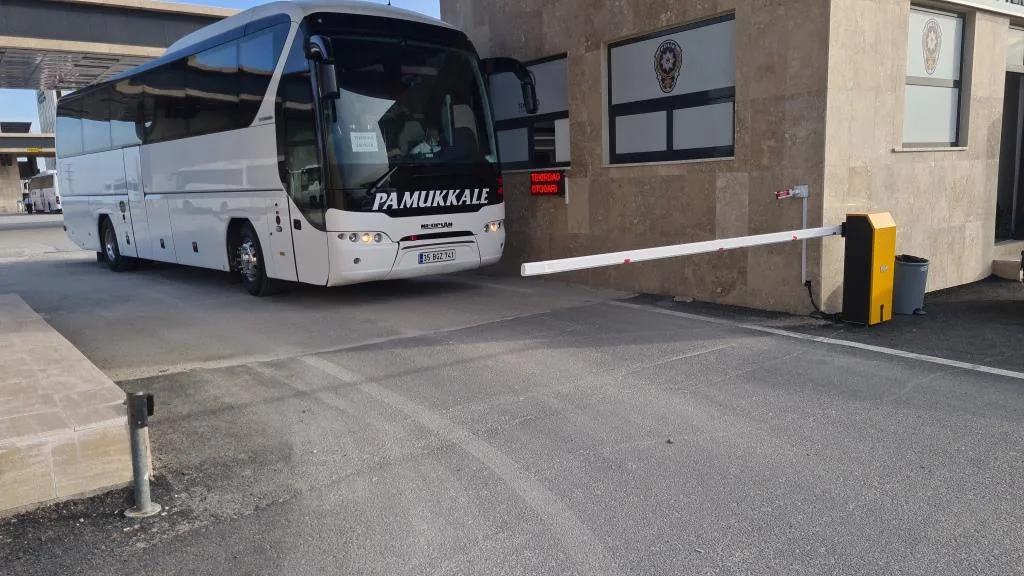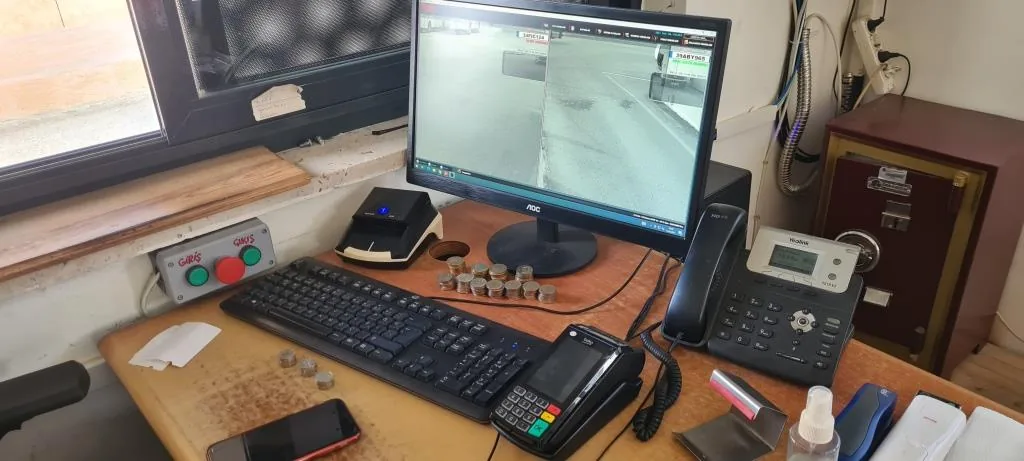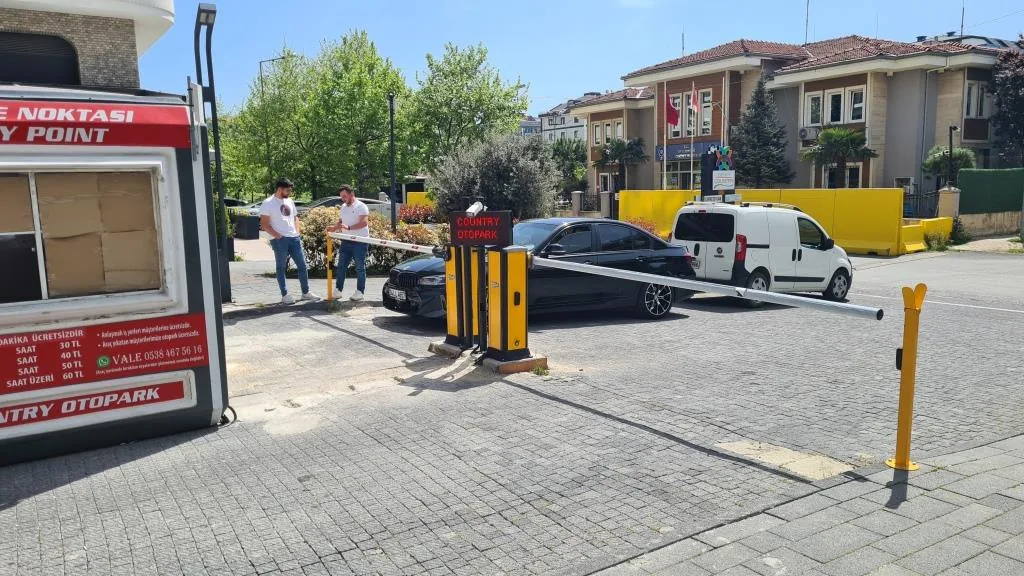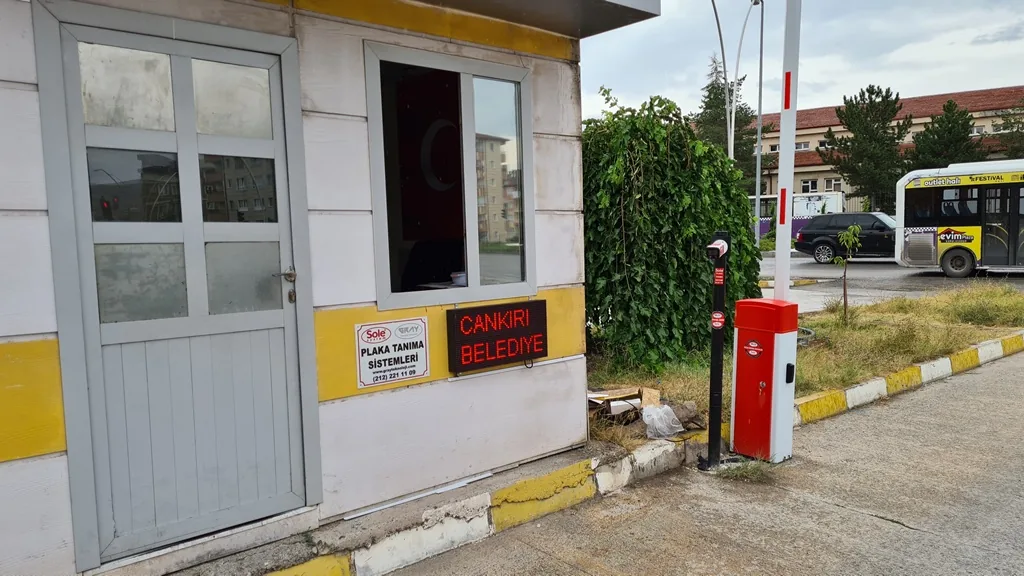
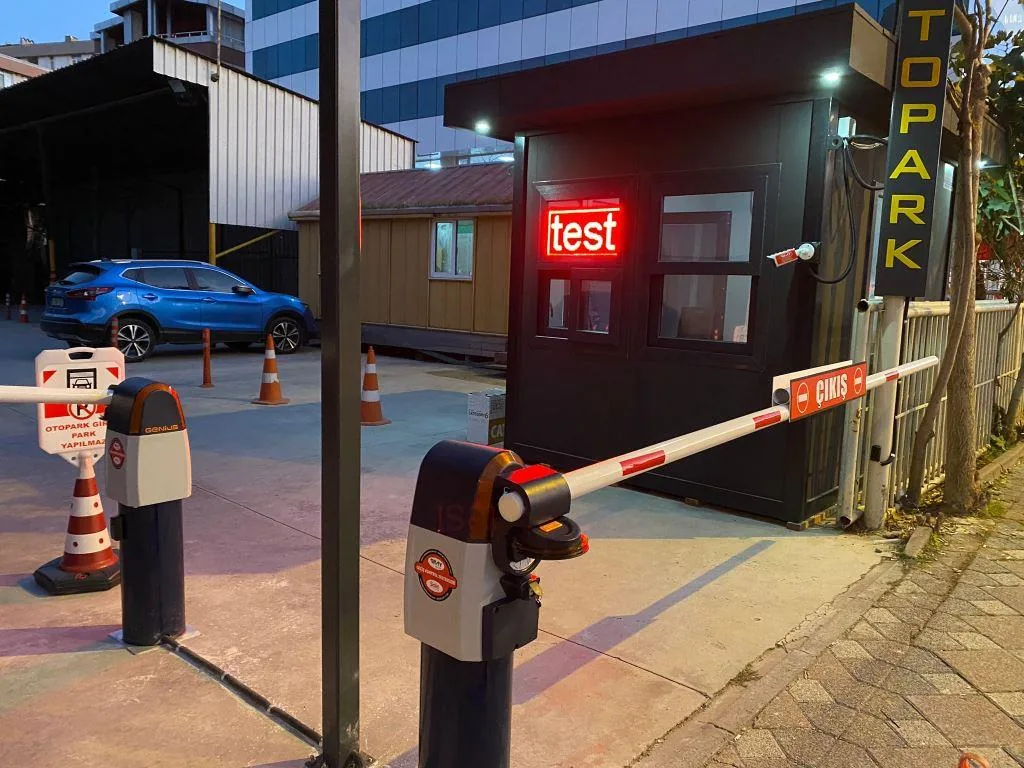
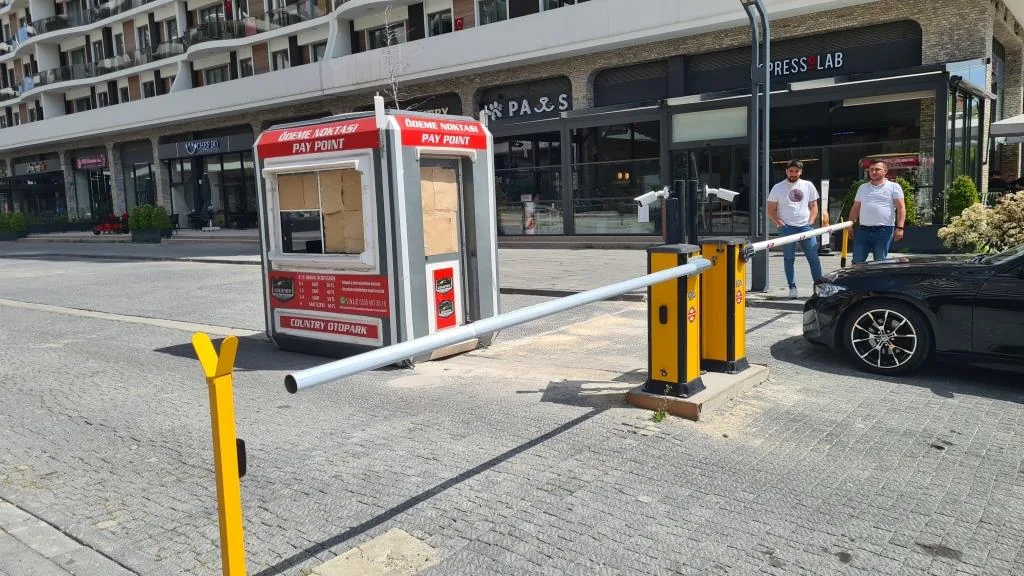
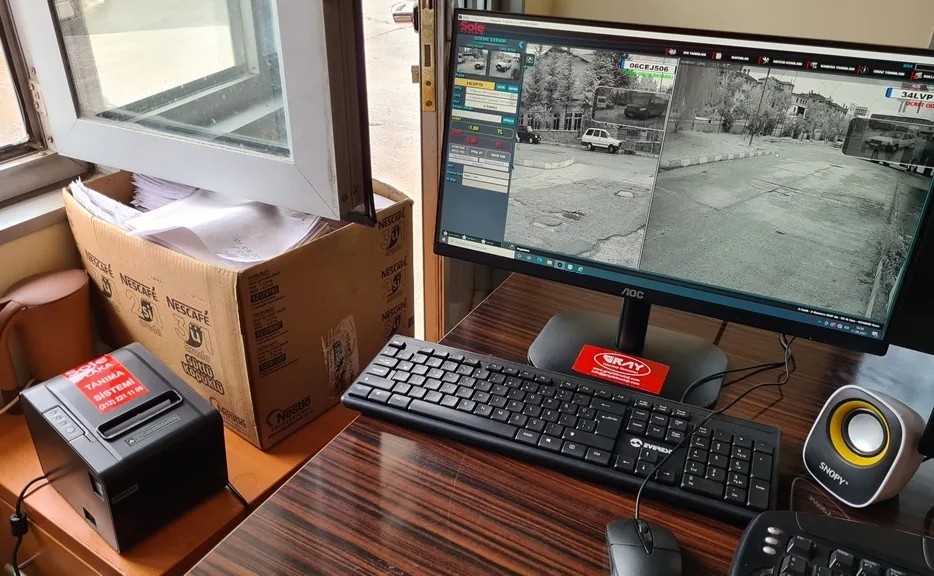
Direct answer: In a paid parking license plate recognition system, IP cameras at the entrance automatically detect each vehicle and open the barrier to let it in; at exit, the software calculates the time spent inside according to the rate table and displays the fee on the LED screen and the operator's computer. Once the operator collects the fee in cash or by credit card, they open the barrier to let the vehicle exit.
How does it work step by step in the parking lot?
The system works based solely on the vehicle's license plate, with no need for an extra card, remote control or OGS device. This eliminates operational problems and extra costs such as faulty cards or lost remotes. The flow is as follows:
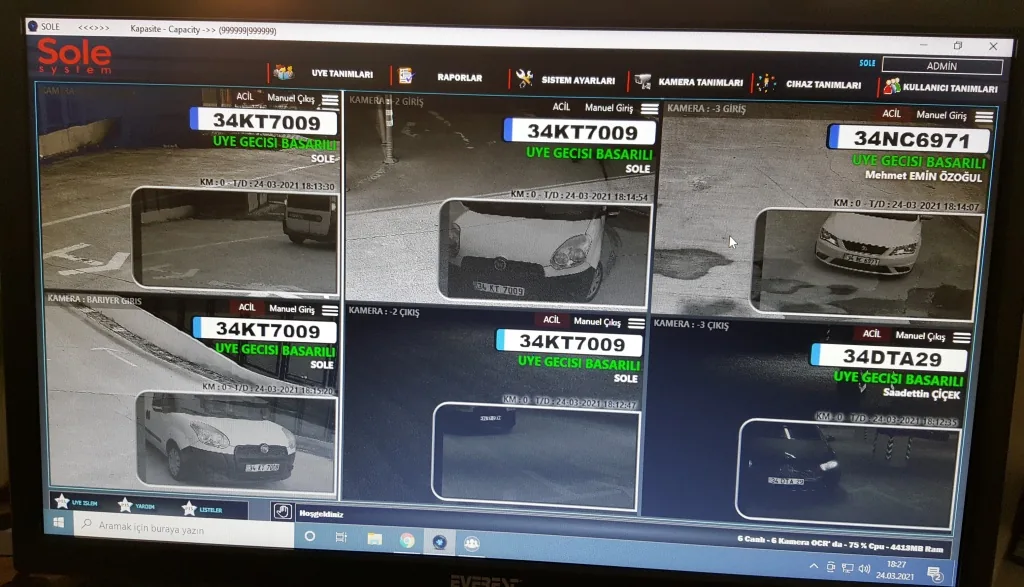
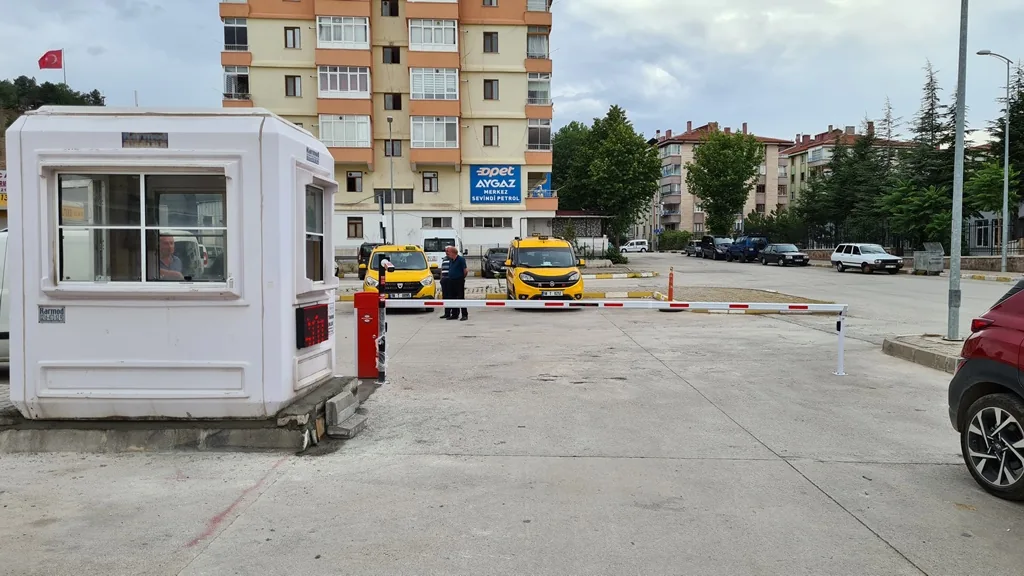
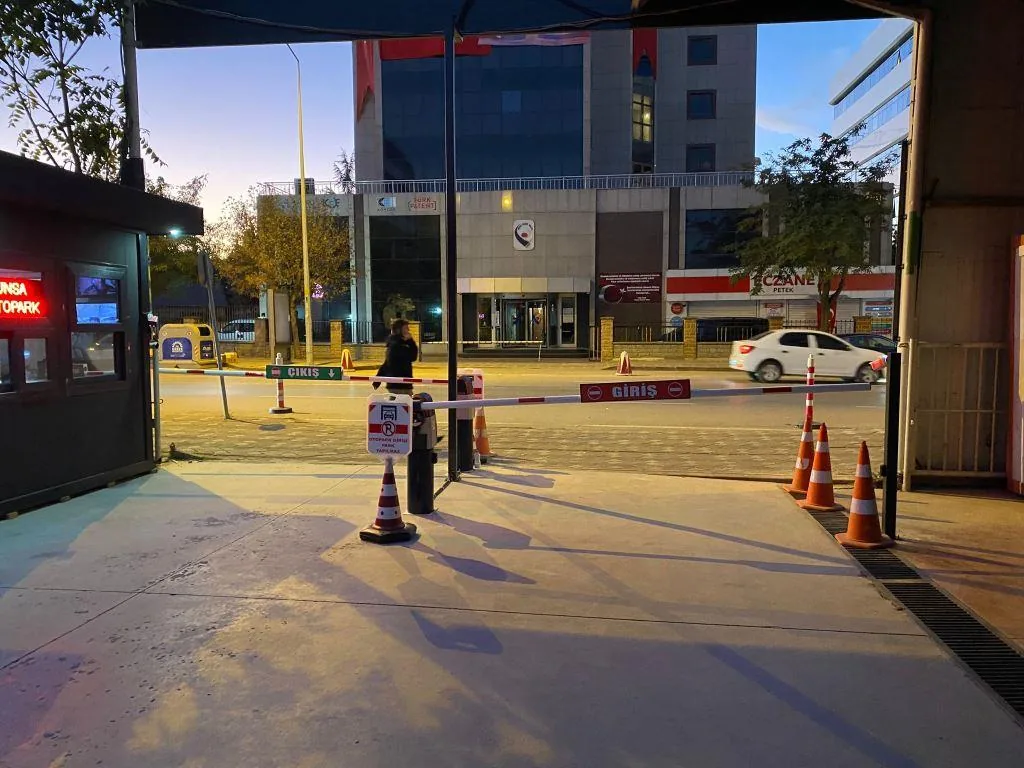
- Entry: IP cameras installed at the entrance automatically detect each vehicle, read the plate to create a record, and open the automatic barrier to let the vehicle in; subscriber/whitelisted vehicles pass free of charge.
- Inside: The software logs the vehicle's entry time, starts the duration counter, and updates occupancy in real time.
- Exit: When the vehicle reaches the exit, the software calculates the time spent inside according to the predefined rate table and displays the fee on both the entry/exit LED screen and the operator's computer in the booth.
- Payment: The operator collects the fee in cash or by credit card; once payment is received, they open the barrier to let the customer exit.
Rate table and pricing
The basis of billing is the rate table (tariff) defined in the software. Hourly or per-minute rates, a free initial grace period, a daily fee cap, subscriber discounts and campaigns are all managed from this table. The system automatically generates the fee by matching the time the vehicle spent between entry and exit against this table — eliminating manual calculation errors and revenue leakage.
Cabinet panel and system architecture
At the center of the system is a panel located in the entry/exit booth. Inside the panel are the PoE unit that powers the cameras and carries their data over a single cable, the network switch, electrical protection components, and the relay card that opens the barrier. The cameras, LED display, barrier relay card and operator's computer are all connected to the same network through this switch and communicate with each other via the TCP/IP protocol. Consolidating all devices on a single network keeps the system running continuously and in sync.
Usage scenarios and reporting
Parking lot deployments are configured around three main scenarios: subscription (free/discounted), guest (time-limited), and general paid use. Tariff rules, campaigns and discounts are defined from the panel according to the business's needs. Every crossing is logged with plate, date, time, direction and photo, and presented as daily revenue, occupancy and access reports.
Technical performance
The system identifies license plates with 98% accuracy in an average of 20 milliseconds; it works without interruption on vehicles passing at speeds of up to 180 km/h and under heavy, consecutive traffic. It reads with the same accuracy under different day and night lighting conditions, stores the plate, date, time and photo record of every vehicle that passes through the system for 10 years, and automatically generates an audible and visual alarm for the operator whenever a banned or blacklisted vehicle passes.
Key features
Automatic plate reading
Logs vehicle entries and exits based on license plate.
Fee calculation
Automatically generates the fee based on duration and tariff rules.
Subscriber & guest management
Manages subscriber, staff, guest and blacklisted vehicles separately.
Reference project
The paid parking project we completed in the Gebze / Kocaeli region is a real-world application of the solution on this page. View case study →
Quick technical facts
| Cabinet panel | PoE, switch, electrical protection, barrier relay card |
|---|---|
| Communication | TCP/IP (all devices on the same switch/network) |
| Payment method | Cash or credit card (operator-approved) |
| Fee display | LED screen + operator's computer |
| Integration | Relay, TCP/IP, API |
| List management | Whitelist, blacklist and guest |
| Reporting | Plate, date, time, direction, image |
| Architecture | Local, cloud or hybrid |
| Recognition time | Average 20 milliseconds |
| Maximum vehicle speed | 180 km/h |
| Record retention period | 10 years (plate + photo) |
Frequently asked questions
How is the fee calculated?
The time the vehicle stayed inside between entry and exit is calculated according to the rate table (tariff) defined in the software; the fee is shown on both the LED display and the operator's computer.
Is payment taken in cash or by credit card?
The operator can collect the fee in cash or by credit card; once payment is received, the barrier opens to allow the vehicle to exit.
How do the system devices communicate with each other?
Cameras, the LED display, the barrier relay card and the operator's computer connect to the same network via the switch in the cabinet panel and communicate using the TCP/IP protocol.
Can this solution work without internet?
When a local server or edge architecture is used, core access operations can continue without internet.
How long does installation take?
Duration is determined after a site survey based on site infrastructure and the number of lanes.
Does it integrate with an existing barrier?
It can integrate with many barrier systems that support relay, TCP/IP or API control.
Last updated: July 21, 2026 · Technical content: Gray Teknoloji project team
Get a free site survey and quote →