
Direct answer: A plate reading system captures a sharp image of a vehicle's plate with a dedicated camera, converts the characters in the image to text with OCR (optical character recognition) and passes that text to the access, recording or parking fee software. Correct reading depends on three things: the camera seeing the plate from the right angle and distance, suitable light by day and night, and a short exposure matched to vehicle speed. Once the read has become text, the license plate recognition system makes the decision.
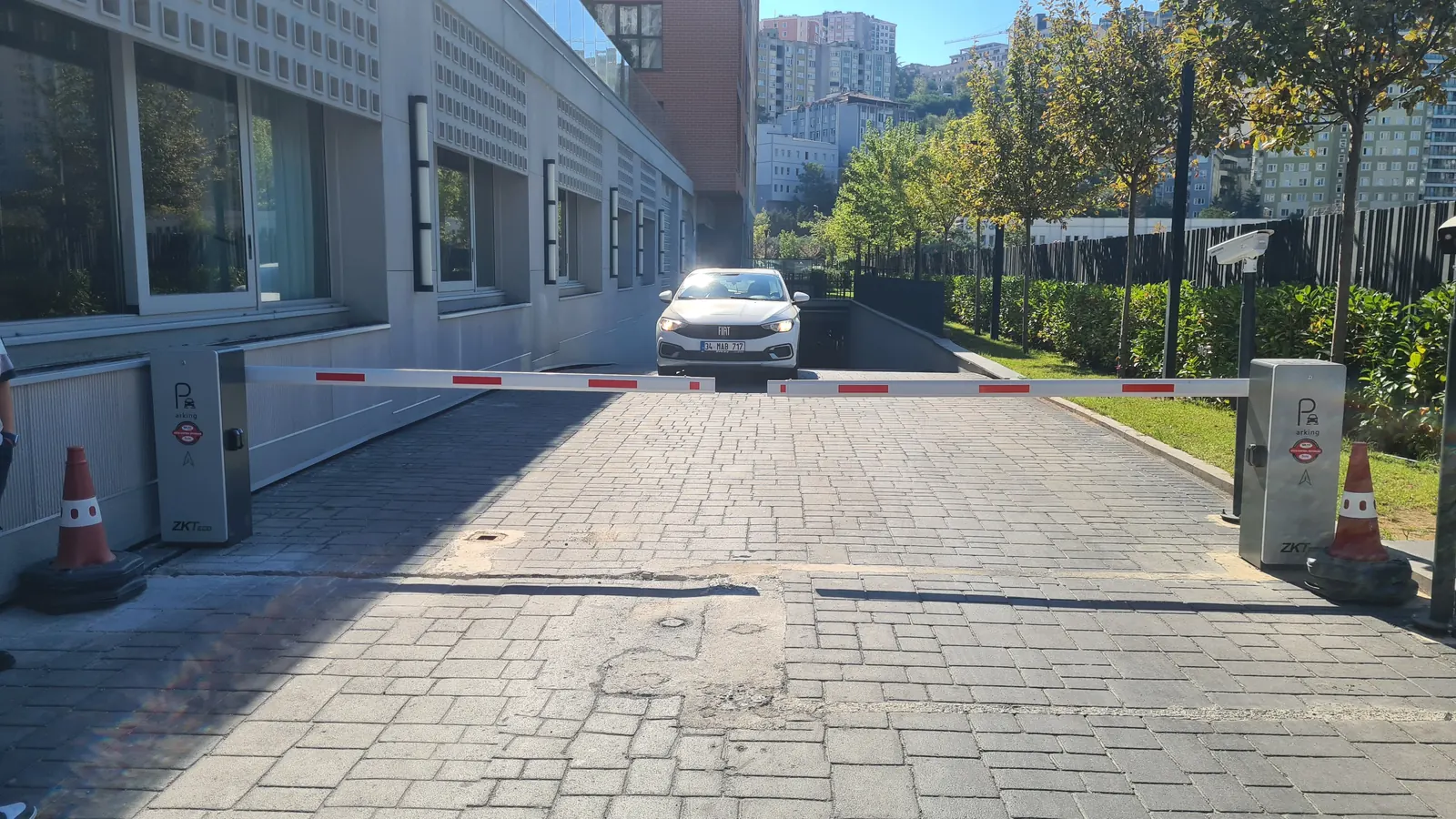
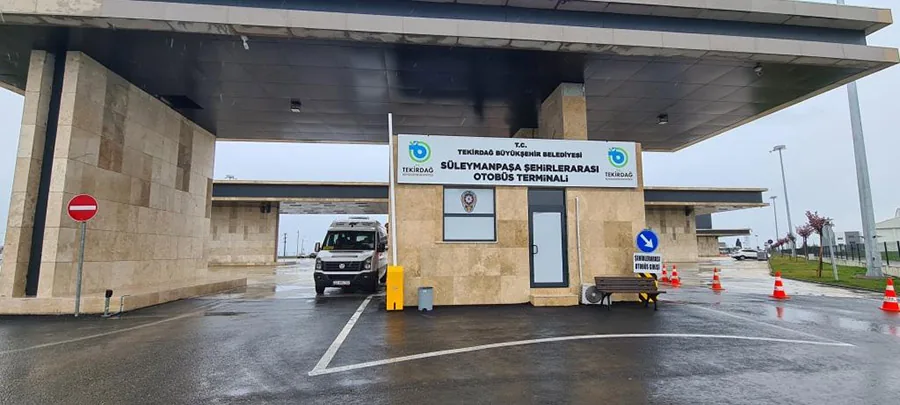
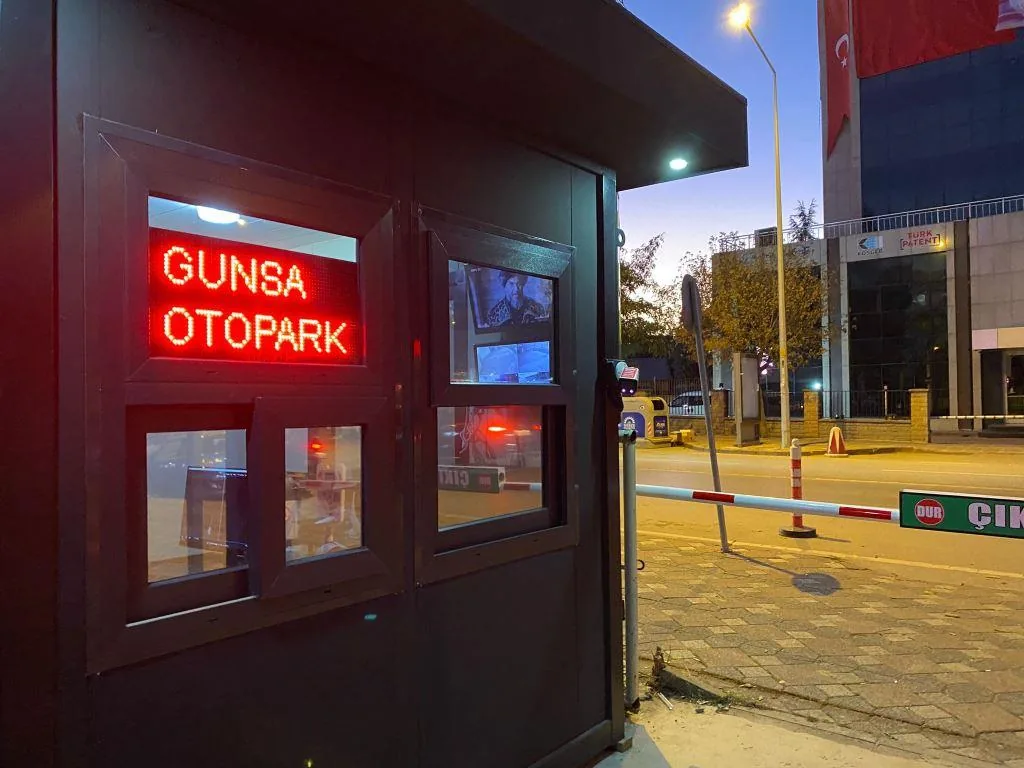
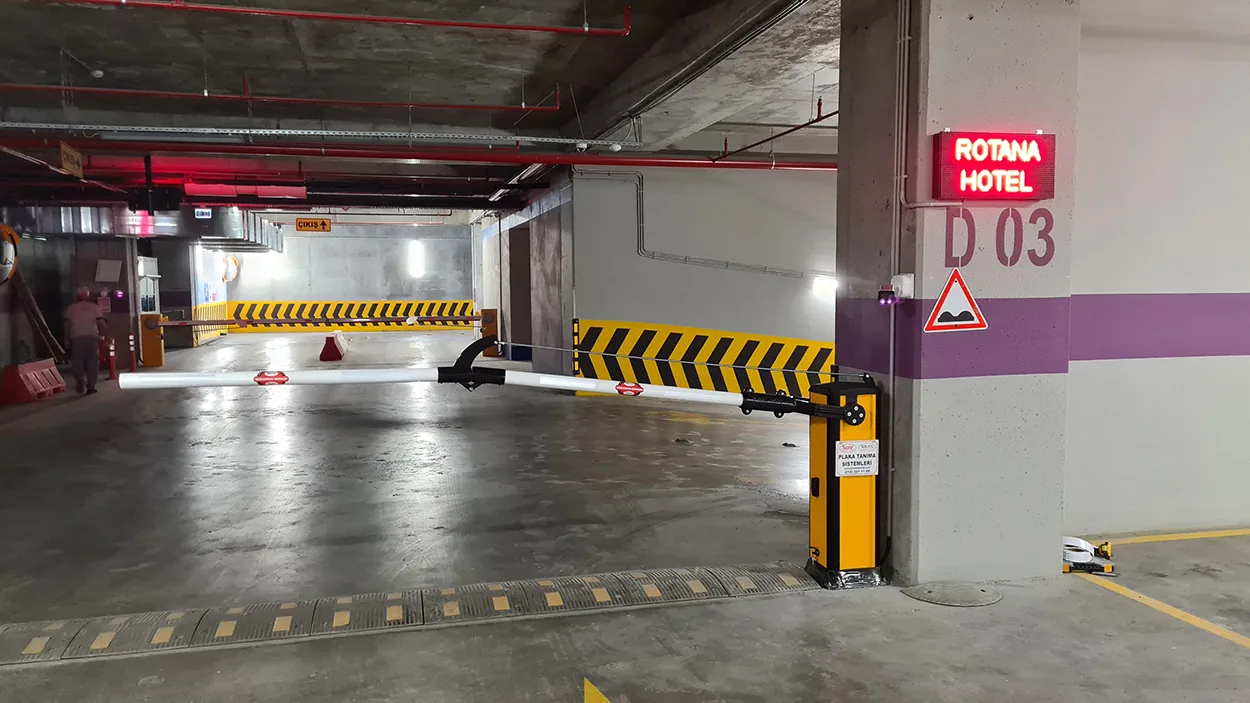
The difference between a plate reading system and a license plate recognition system
In everyday use the two terms are often used interchangeably. Technically, plate reading is the stage where the camera captures the plate and converts it to text; a license plate recognition system is the whole system that takes that read and performs authorization checks, barrier control, recording and reporting. This page focuses on the reading technology: how the camera sees the plate and what must be set up correctly on site for a good read. For system types, cost and projects see the license plate recognition system guide; for the software that manages the read plate see plate reading software.
Internationally a plate reading system is referred to as ANPR (Automatic Number Plate Recognition) or LPR (License Plate Recognition); in the field the terms “plate reading camera” and “LPR camera” are also used.
How does a plate reading camera read a plate?
Reading a plate consists of several chained steps, from light hitting the plate to the text reaching the software. If any link in the chain is weak, the read degrades:
- Illumination: Sunlight by day and the camera's infrared (IR) illumination at night light the plate. Because the reflective background of Turkish plates returns IR light, characters appear dark and the background bright at night.
- Lens: A varifocal lens frames the plate large and sharp enough at the reading distance.
- Sensor and exposure: The sensor captures the image; exposure is kept short to prevent motion blur.
- Plate location: The camera's processor finds the plate in the image and corrects tilt and contrast.
- Character recognition: Characters are separated, converted to letters and digits with OCR, and the result is validated against the plate format.
- Transfer: The plate text, photo, time and camera information are sent to the software; in a software-free setup the camera decides by itself.
The details of these steps and where the decision is made are explained on our how LPR systems work page.
Angle, height and distance for correct reading
The installation decision that most affects read success is the angle and distance from which the camera sees the plate. The practical ranges we use in the field:
| Parameter | Recommended range | Why it matters |
|---|---|---|
| Horizontal angle | 0–15° (position close to the lane centre) | Side views narrow characters and similar letters get confused |
| Vertical angle | 10–30° | A steep view from above flattens characters |
| Mounting height | 0.5–1.2 m (cars); set during the survey for heavy vehicles | A near-square view relative to plate height |
| Reading distance | 3–15 m (depending on the application) | Longer distances need a longer focal-length lens |
| Reading point | Where the vehicle slows before the barrier | Less blur and fewer missed frames on a slowing vehicle |
The camera should focus on the point where the vehicle slows before the barrier and should not be placed too close to the barrier arm or gate. For details see our mounting angle and distance guide and, for how many lanes one camera can read, how many lanes per camera.
Light conditions and night-time plate reading
Light is the most variable factor in plate reading and changes throughout the day:
- Night: 850 nm infrared illumination lights the plate invisibly. The reflective plate background returns IR light and characters separate clearly.
- Headlight glare: When a vehicle's headlights shine into the camera, short exposure and correct IR settings separate the plate from the headlight glare.
- Backlight (sunrise / sunset): If the sun is opposite the camera the plate can stay dark; a sun shield, position choice and wide dynamic range reduce this effect.
- Shadow: At covered car park entrances the inside is dark and the outside bright; exposure is set for the entry point.
- Dual light: The camera we use offers white light instead of or in addition to IR; it is preferred where colour recording at night is needed.
Typical night-time problems and their solutions are on our nighttime plate reading issues page.
Vehicle speed, exposure and lens choice
To capture a moving vehicle's plate sharply, exposure time must be short; otherwise the characters blur. As speed increases, both shorter exposure and framing the plate from further away are needed, which determines the lens. Manufacturer data for the camera we use:
| Lens | Suitable vehicle speed | Typical use |
|---|---|---|
| 2.7–12 mm motorized lens | Up to 80 km/h | Residential, car park, factory and institutional entries |
| 8–32 mm lens | Up to 120 km/h | Long reading distances, fast passage points |
At barrier entries vehicles already slow down, so the 2.7–12 mm lens is sufficient for most projects. At fast passage points the camera and lens are chosen during the survey by measuring speed. For details see our camera selection guide.
Technical specifications of the plate reading camera we use
Our projects use the SOLEsys Dahua PRO plate reading camera as standard. According to manufacturer data:
| Sensor | 1/1.8" CMOS, 4 MP |
|---|---|
| Lens | 2.7–12 mm (up to 80 km/h) or 8–32 mm (up to 120 km/h) |
| Information read | Plate + vehicle type (10 classes), make (147 logos), colour (12 colours) |
| Accuracy | 98% and above for European plates — with a suitable camera angle and site conditions |
| Illumination | 850 nm IR or dual light (IR + white light) |
| On-camera list | 110,000 whitelist + 110,000 blacklist; decisions without internet |
| I/O | 2 alarm inputs, 2 relay outputs, 2× RS-485, Wiegand, RJ-45 |
| Durability | IP67, IK10, -30 °C / +65 °C |
| Power and storage | PoE (802.3at), ANR, TF card up to 256 GB |
| Protocols | ONVIF, ITSAPI |
Thanks to the camera's relay outputs, small entries can use software-free license plate recognition without a separate computer; the ANR feature records images to the camera's card when the network drops. Whether your existing cameras can be used is explained on our existing camera LPR integration page.
Foreign plates: 45-country plate support
Sole plate recognition software can record plates from 45 countries, including Turkey, together with the country. For 19 countries with distinctive plate formats, such as Russia, Kazakhstan, Azerbaijan, Romania, Spain, Belgium, Czechia and Ireland, the country is detected automatically from the format of the read plate. For countries whose format can be confused with others (for example Germany, Greece, Bulgaria), the software does not guess so as not to show the wrong country; the country is filled in if the camera reports it, or selected from the 45-country list when defining a subscriber.
This approach matters especially for truck parks, hotels and logistics facilities in border regions: foreign-plated vehicles are also managed as subscribers, guests or paying customers and appear in reports with their country. At sites with many foreign plates, camera and reading settings are planned accordingly during the survey.
What happens after the plate is read?
Reading is only the first step of a passage. Once the plate is text, the system runs the following flow depending on the type of site:
| Site | Flow after reading |
|---|---|
| Residential site | Is the plate on the subscriber or guest list? If so the barrier opens and the passage is recorded with a photo; if not, the operator sees it on screen. |
| Factory / institution | Separation of staff, visitors and suppliers; per-gate permissions; traffic light and gate control via PLC if needed. |
| Paid car park | The entry time is recorded; at exit the duration is calculated and payment is taken at the booth, kiosk, via QR code, at the Unmanned Exit Payment Terminal or a handheld terminal, then the barrier opens. |
| Blacklist | Access is blocked and the operator is alerted. |
- Recording: Plate, date, time, direction, gate and photo are stored; vehicle type, make and colour can also be recorded.
- Missed passages: Passages recorded by the camera during a network outage can be uploaded to the software later.
- Plate correction: A misread plate can be corrected by an authorized user and the record linked to the right vehicle.
- Reporting: Sole Cloud SaaS has 24 ready-made reports in the Site edition and 44 in total in the Paid Parking edition.
Details of the software that manages the read plate are on the plate reading software and Sole Cloud SaaS pages; the paid parking flow is on the unmanned paid parking system page.
Frequently asked questions about plate reading systems
What is a plate reading system?
A plate reading system captures an image of a vehicle's plate with a camera, converts the characters to text with OCR and passes that text to access, recording or parking fee software. It is also known as ANPR or LPR.
Are plate reading and plate recognition the same thing?
In everyday use they mean the same. Technically, plate reading is the stage where the camera converts the plate to text, while a license plate recognition system is the whole system that decides, controls the barrier and keeps records.
From how many metres does a plate reading camera read?
Typical entry applications use a reading distance of 3–15 metres. Longer distances need a longer focal-length lens; the camera we use offers 2.7–12 mm and 8–32 mm lens options.
At what angle should a plate reading camera be mounted?
It should see the plate at 0–15° horizontally and 10–30° vertically, mounted 0.5–1.2 metres above the ground for passenger cars.
Does a plate reading system work at night?
Yes. 850 nm infrared illumination lights the plate at night; because the reflective plate background returns IR light, characters are read clearly. A dual-light option is also available.
Can plates of fast vehicles be read?
Manufacturer data for the camera we use is up to 80 km/h with the 2.7–12 mm lens and up to 120 km/h with the 8–32 mm lens. At barrier entries vehicles slow down, so the first option suits most projects.
What is plate reading accuracy?
The manufacturer figure for the camera we use is 98% and above for European plates; this applies with a suitable camera angle, distance and light conditions.
Are foreign plates read?
The software records plates from 45 countries, including Turkey, with country information; for 19 countries with distinctive formats the country is detected automatically, for others it comes from the camera or is selected from the list.
Does a plate reading camera also read vehicle make and colour?
Yes. The camera we use can also distinguish vehicle type (10 classes), make (147 logos) and colour (12 colours) alongside the plate.
Does a plate reading system work without internet?
Yes. The camera holds 110,000 whitelist and 110,000 blacklist entries in its own memory and can decide without internet; when the network drops it records images to its card.
Can a security camera be used for plate reading?
In some cases, if angle, resolution and night illumination are suitable; but general-purpose cameras are not optimized for plates on moving vehicles, so read success drops. This is assessed during the survey.
Published: 27 September 2026 · Technical content: Gray Teknoloji / Sole System project team
Get a free survey and quote →