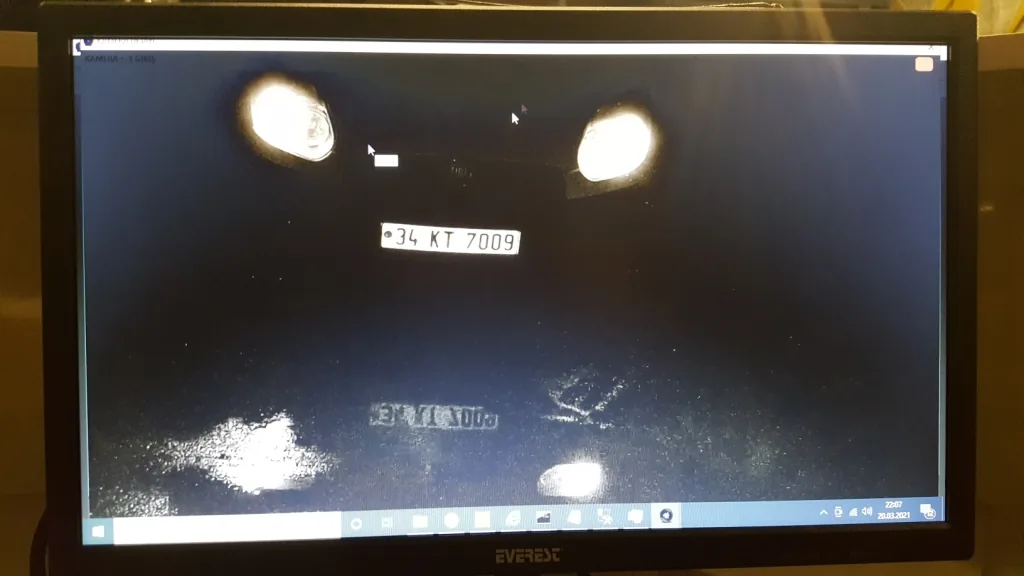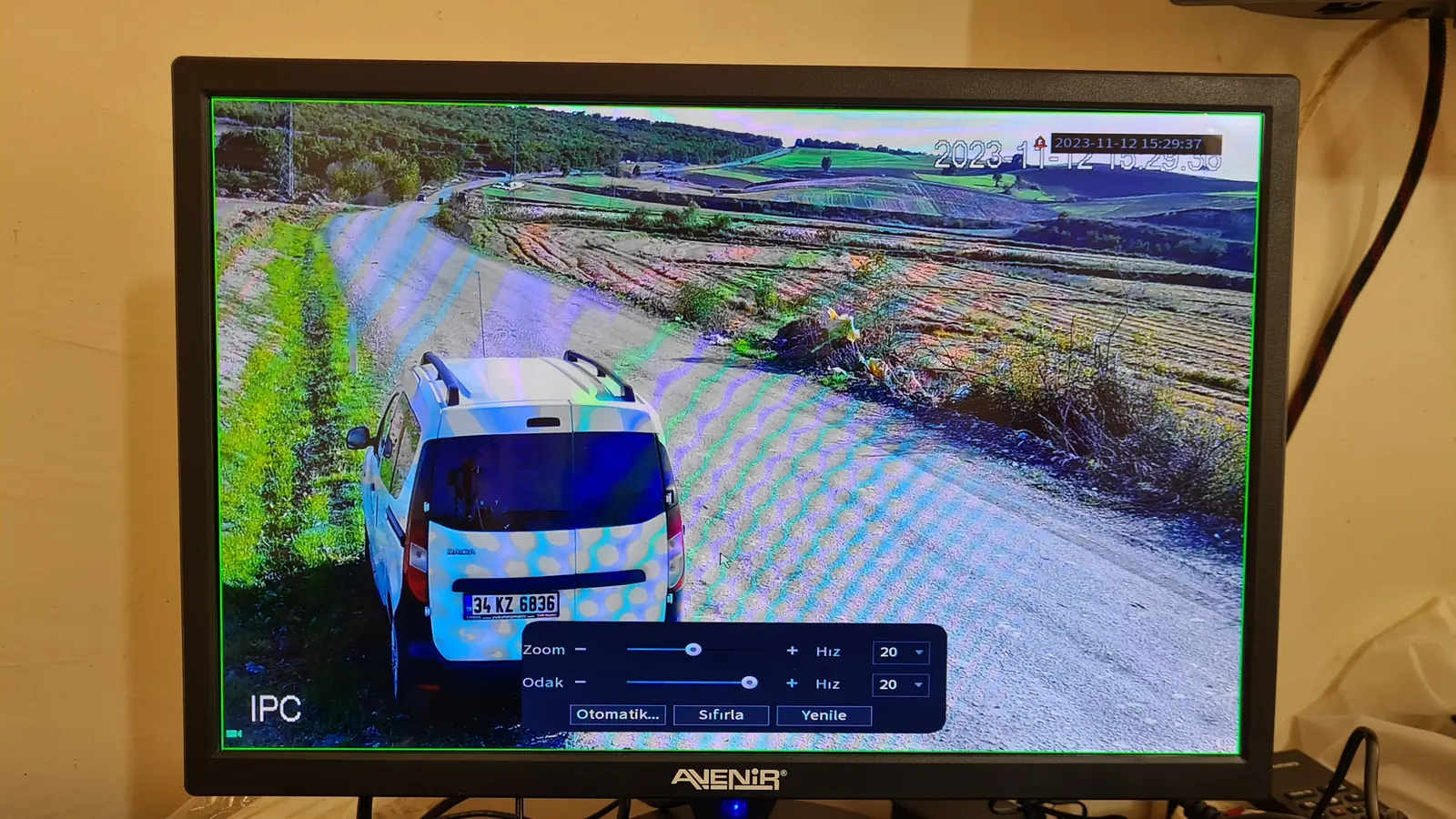
Direct answer: Night plate-reading problems mostly come from headlight glare, insufficient or mismatched IR illumination, a shutter that is too slow for vehicle speed and a wrong mounting angle. With correct exposure, a WDR sensor, an IR flash synchronized with the plate and a mount that sees the plate near straight-on, night read rates can approach daytime levels.
Reducing headlight glare
Headlight glare is reduced by configuring the camera's exposure automatically or fixed relative to headlight brightness; polarizing filters and sensors with wide dynamic range (WDR) support significantly cut glare.
Choosing IR illumination
The wavelength of the IR illumination must match the camera's IR sensitivity; an IR flash synchronized with plate capture produces less glare and higher contrast than constant, continuous illumination.
Mounting angle and shutter speed
The camera's mounting angle should be set so the plate is viewed close to a straight-on angle; if the shutter speed isn't matched to vehicle speed, the plate image can blur on fast-moving vehicles. See our mounting angle and distance guide for details.
Choosing a camera for night reading
Night performance is largely decided at camera selection. The first criterion is IR range: the built-in IR illumination should comfortably cover the reading distance; a camera working at the edge of its range is the first to struggle on rainy and foggy nights. The second is WDR (wide dynamic range); since the same frame contains both a bright headlight and a dark plate area, WDR keeps both readable at once. The third is an adjustable shutter: faster lanes need a shorter shutter, which can only be balanced by a strong IR flash synchronized with the plate. Finally, the lens focal range should give the plate enough pixel width in the image. For a comparative evaluation see our LPR camera selection guide.
Quick technical facts
| Against glare | Correct exposure, WDR, polarizing filter |
|---|---|
| Illumination | IR flash synchronized with the plate |
| Motion blur | Short shutter matched to speed |
| Mounting | Angle that sees the plate near straight-on |
Night reading at wireless sites
Sites without cable infrastructure — construction sites, truck parks and rural roads — are often poorly lit too; cameras with strong IR illumination are preferred there. See how such installations are built on our wireless license plate recognition system page.
Frequently asked questions
What is the most common cause of plates not being read at night?
Headlight glare: when exposure isn't set for the headlights, the plate area is recorded as a white blob. Correct exposure and a WDR-capable sensor largely solve this.
How does IR illumination make a plate more readable?
The retroreflective plate background reflects infrared light back to the camera; shooting in the IR band makes the characters stand out from the body and headlights with high contrast.
Why are plates blurry on fast vehicles at night?
In low light the camera uses a longer shutter; if the shutter isn't short enough for the vehicle speed, motion blur appears. An IR flash provides enough light for a short shutter.
Is my existing camera good enough for night use?
IR range, WDR support and adjustable shutter are decisive. During the survey a test capture is made at night to measure suitability.
Last updated: September 12, 2026 · Technical content: Gray Teknoloji project team
Get a free site survey and quote →