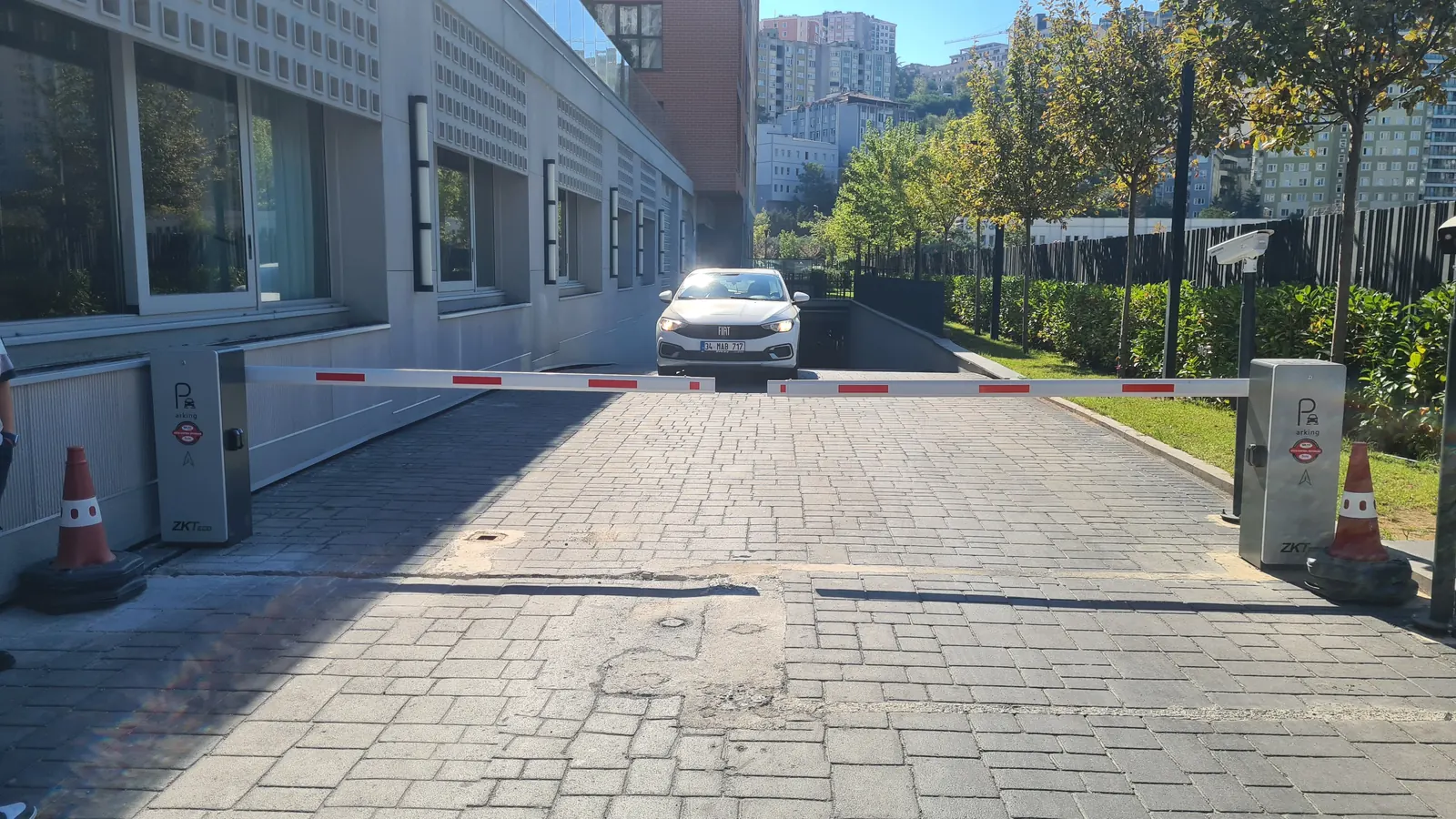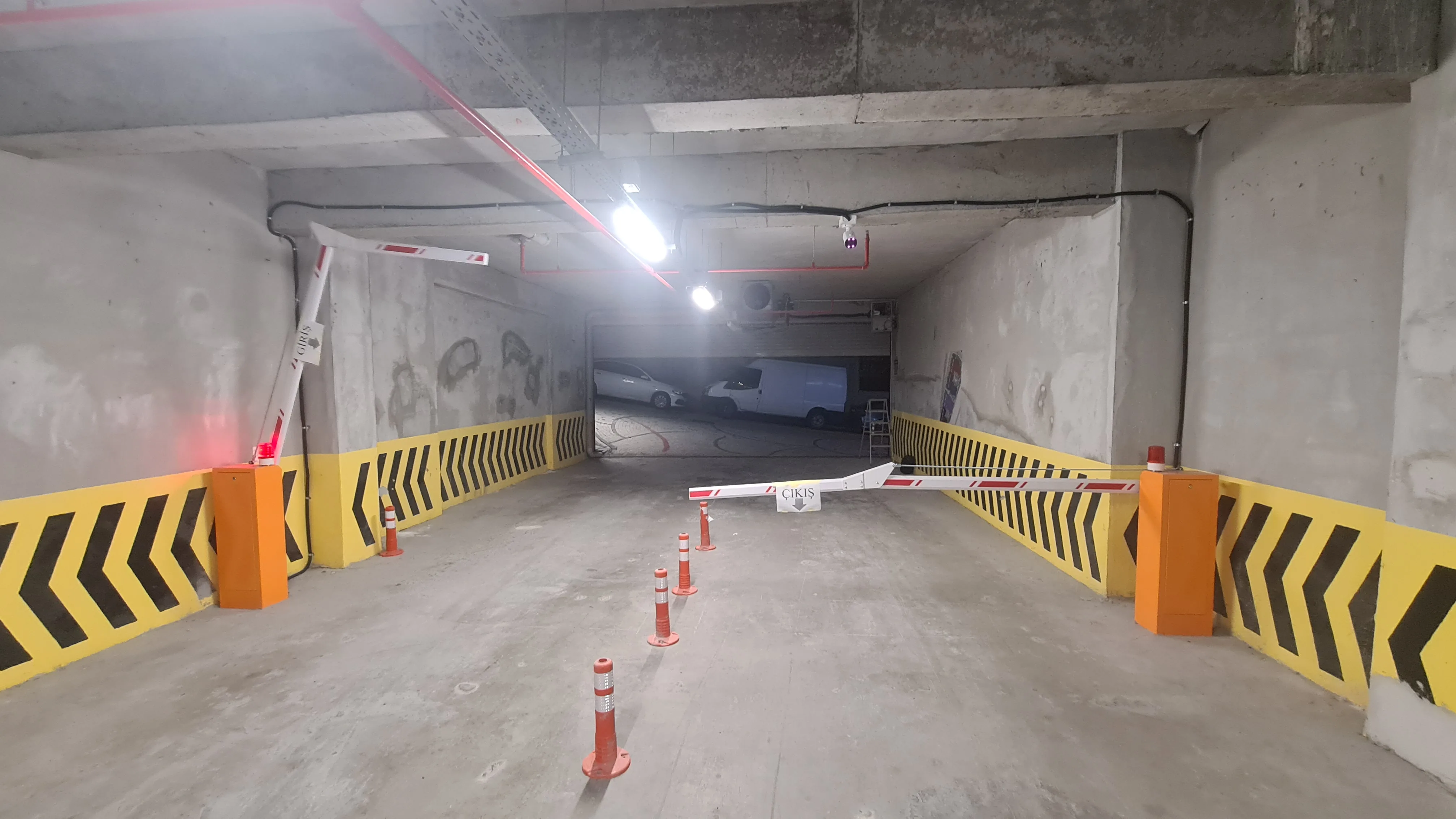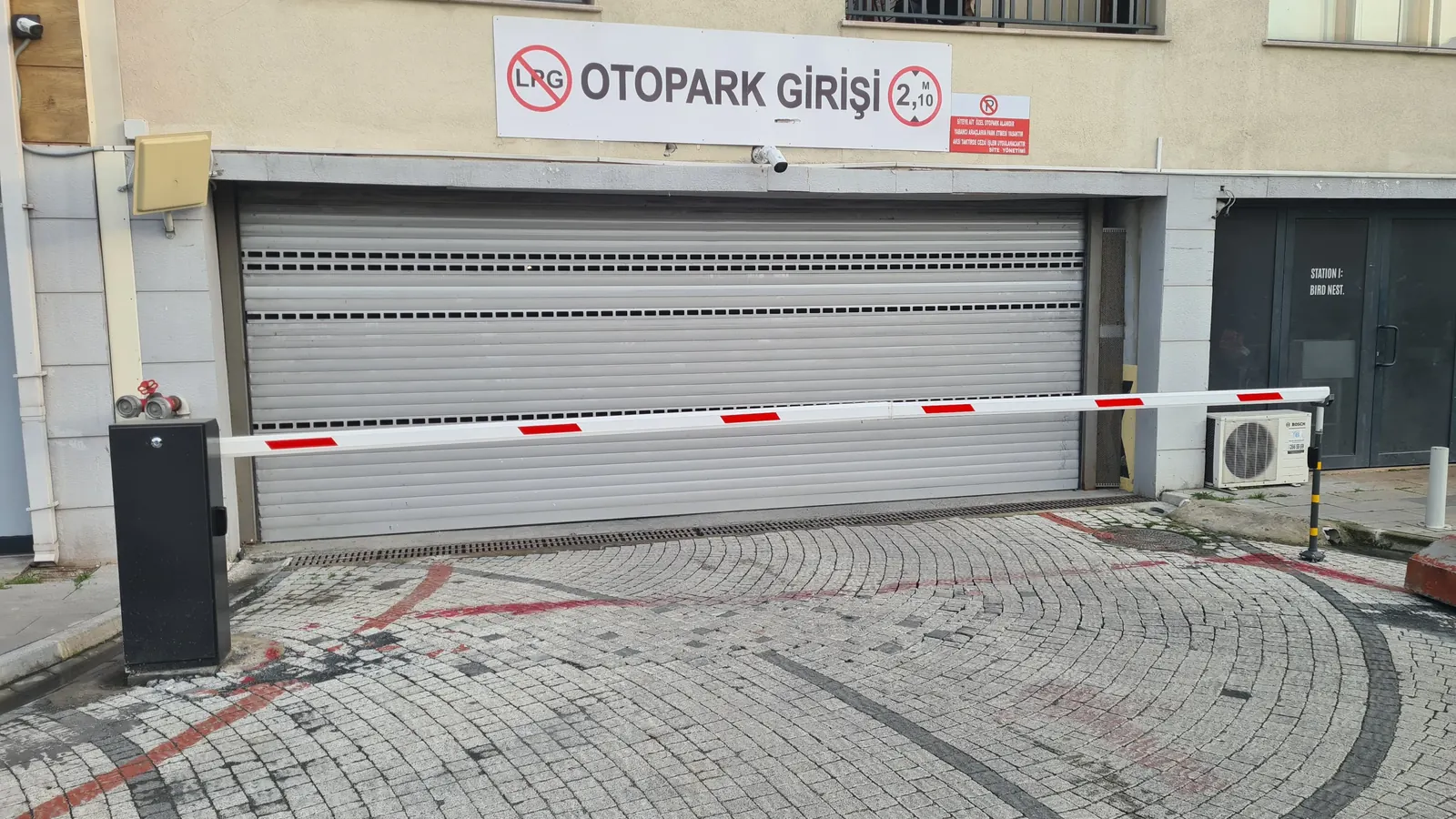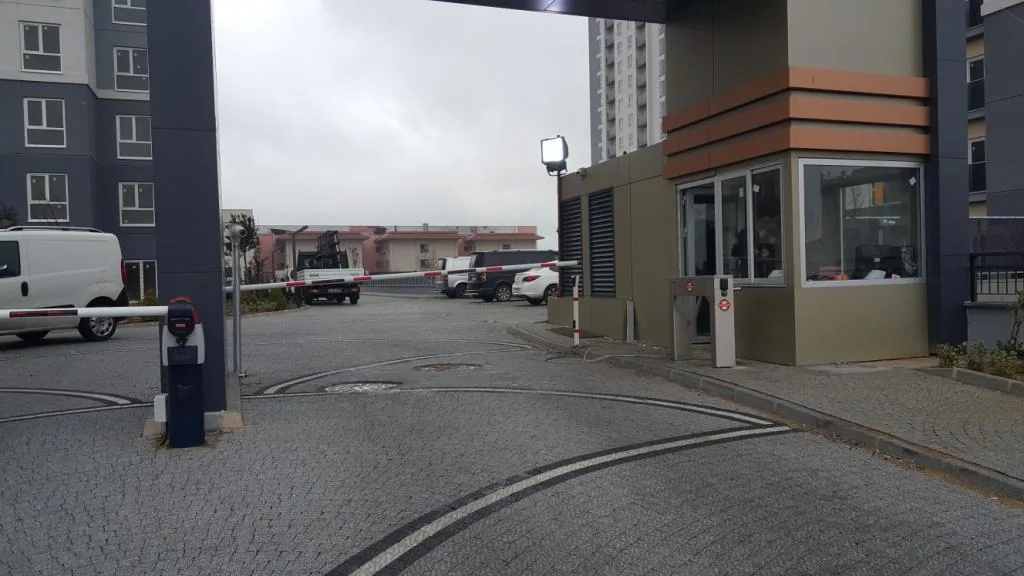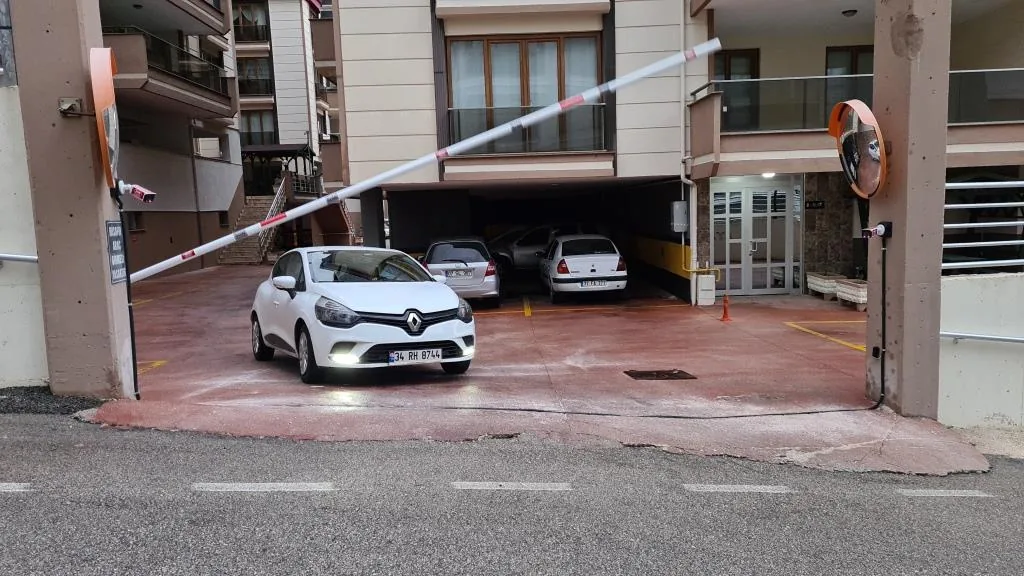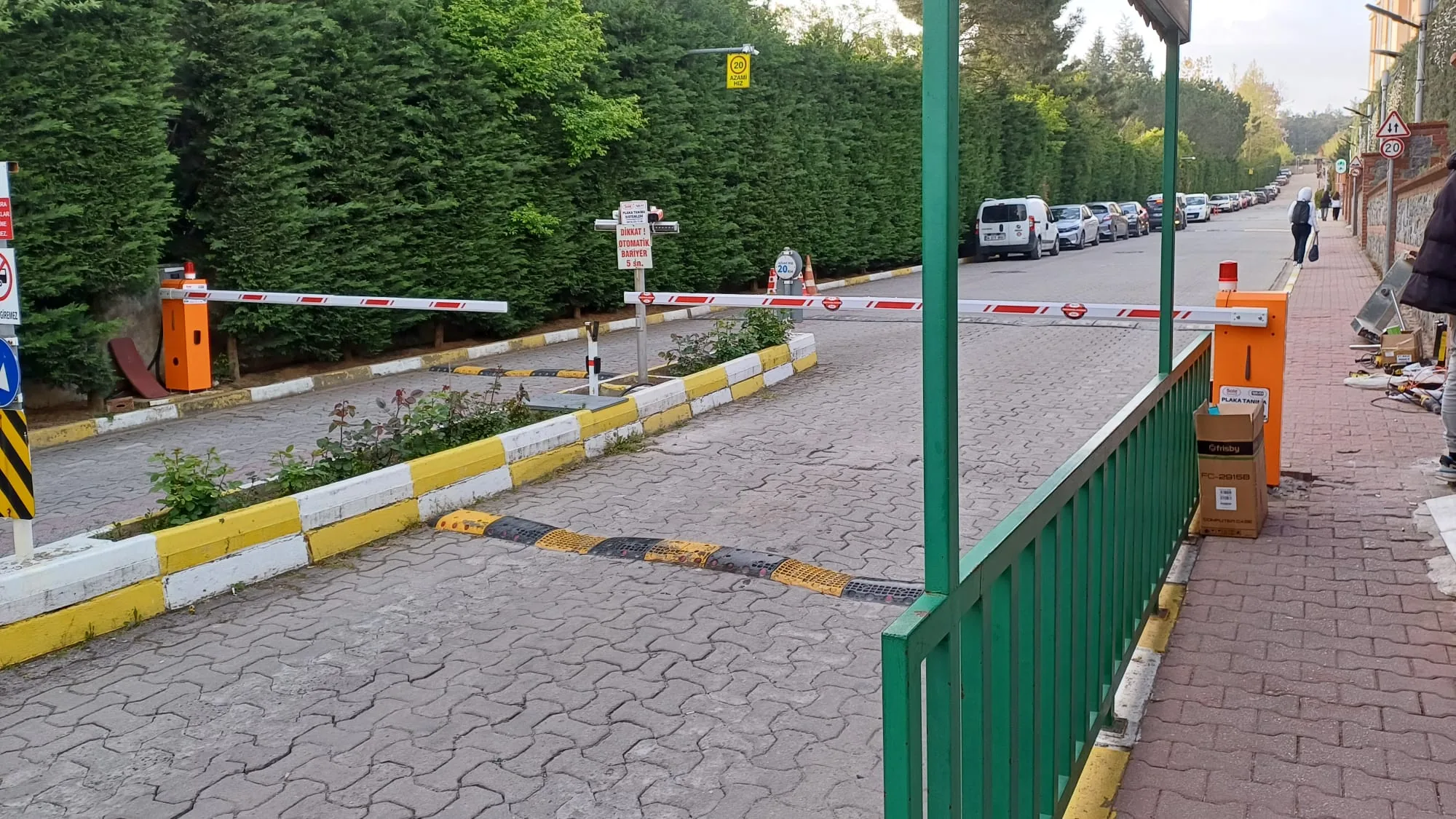
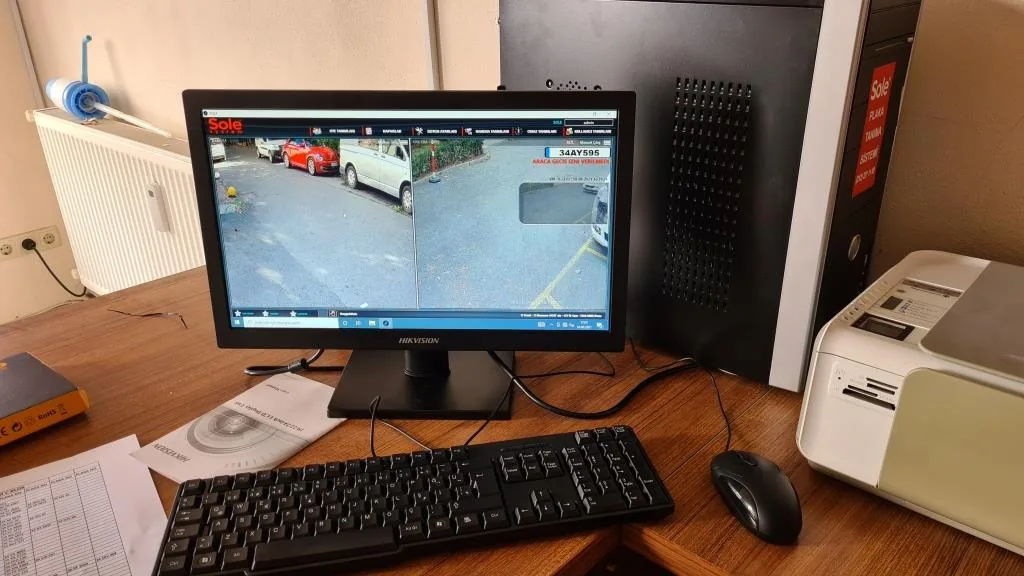
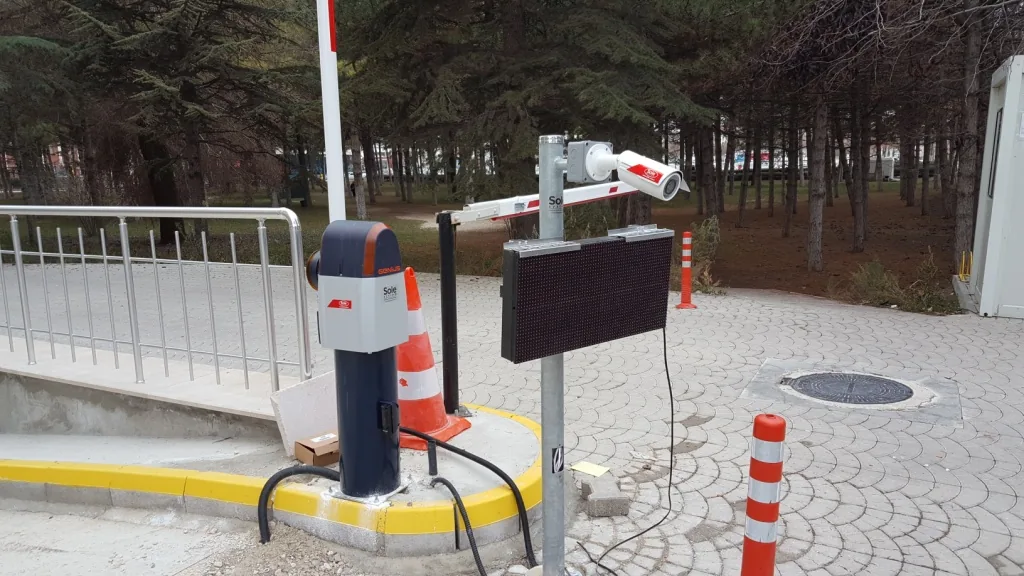
Direct answer: Also known in the field as an ANPR camera, LPR camera or plate reading camera — The right license plate recognition camera is chosen based on a resolution, lens and IR illumination combination determined by the number of entry lanes, reading distance, vehicle speed and day/night conditions. The wrong camera choice is the most common cause of reading errors in low light or at high speed.
Choosing resolution and lens
Resolution determines both how clearly plate characters are seen and the field of view. 2-5 megapixels is generally enough for single-lane entrances; higher resolution or a separate camera per lane is preferred for entrances needing a wide angle or multiple lanes. Lens focal length should be chosen based on reading distance.
IR illumination and night performance
In night and low-light conditions, IR illumination must match the camera's sensitivity. A synchronized IR flash reduces headlight glare and increases contrast compared to continuous illumination — significantly improving night plate-reading accuracy.
Mounting angle and distance
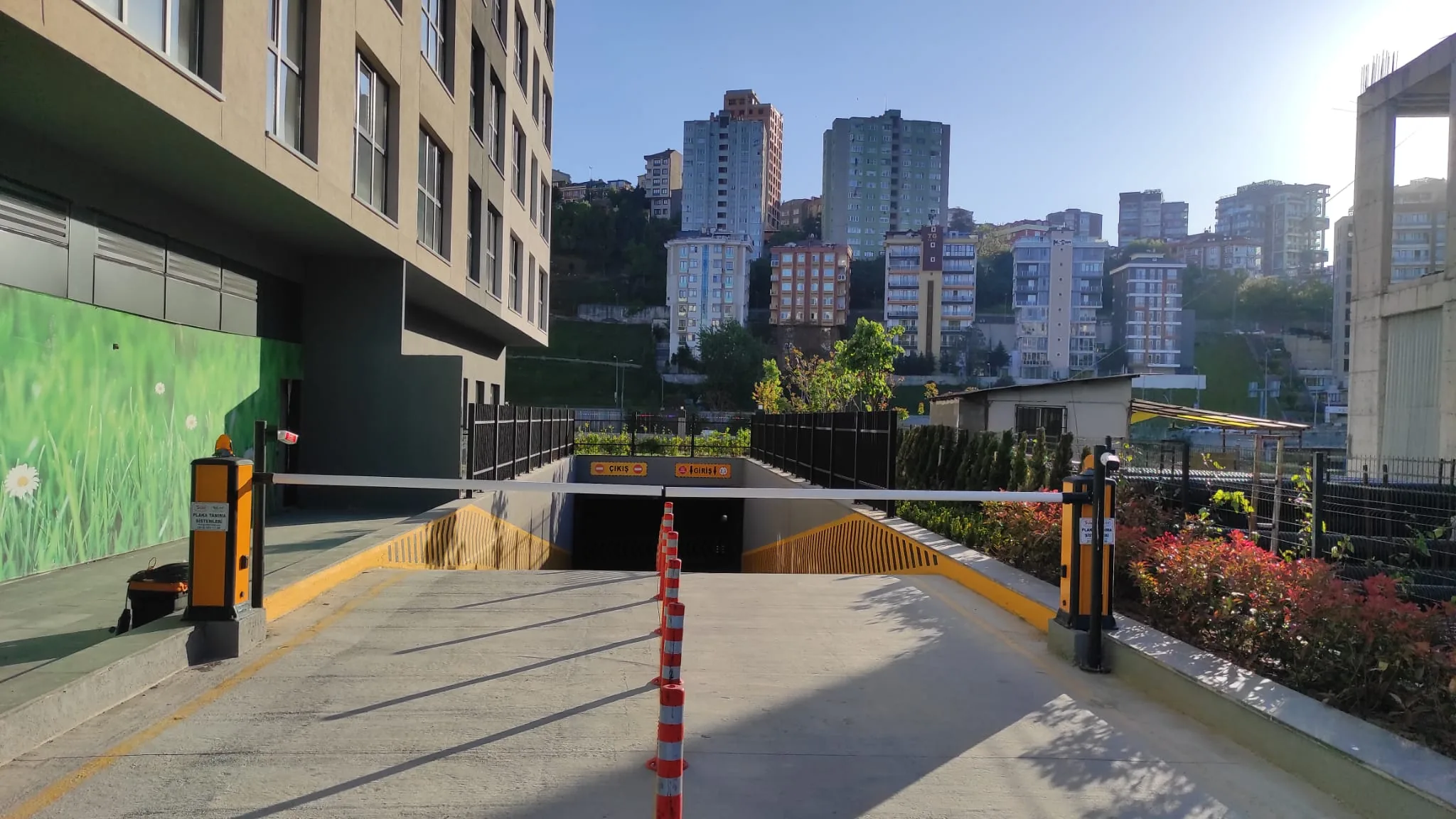
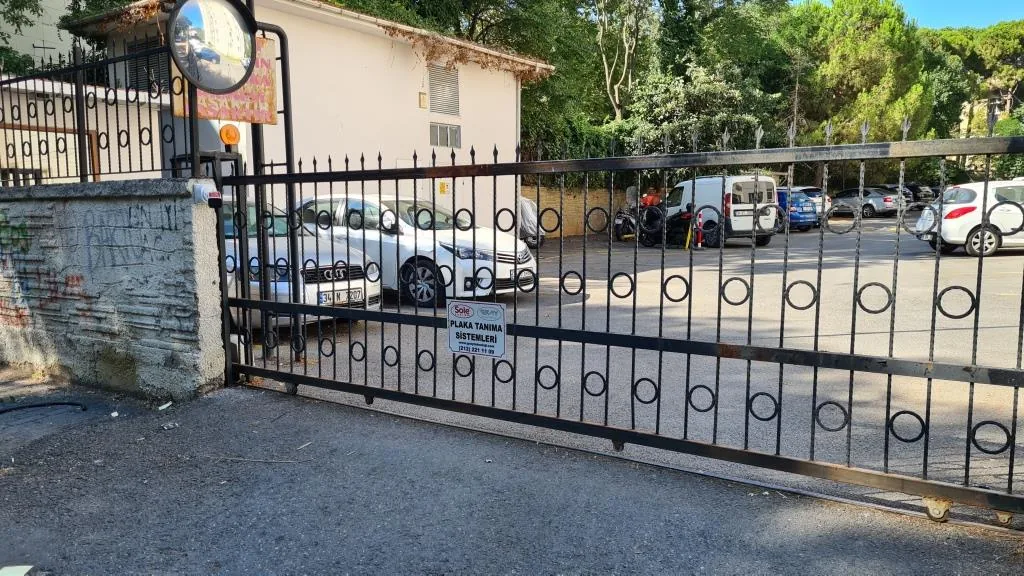
The camera should be mounted to view the plate as close to a straight-on angle as possible; angles that are too far to the side or from above increase reading errors. Typical entrance applications use a 3-15 meter reading distance; if vehicle speed is high, shutter time should be adjusted accordingly.
Quick technical facts
| Typical resolution | 2-5 MP (single lane), higher for multiple lanes |
|---|---|
| Reading distance | 3-15 meters (depending on application) |
| Illumination | Synchronized IR flash recommended |
| Mounting angle | As close to straight-on to the plate as possible |
| High-speed support | Short shutter time + sufficient IR power |
Frequently asked questions
How many megapixels should a license plate recognition camera have?
2-5 megapixels is enough for most single-lane entrances; higher resolution or a separate camera per lane is preferred for wide-angle or multi-lane entrances.
At what angle should a license plate recognition camera be mounted?
The camera should be positioned to view the plate as close to a straight-on angle as possible; excessively side-on or overhead angles reduce reading accuracy.
What should the plate-reading distance be?
Typical entrance applications use a 3-15 meter range; as distance increases, choosing the right lens and resolution becomes more critical.
Which camera is needed for reading plates at high speed?
For high-speed crossings, ANPR cameras built for speed with short shutter times and sufficient IR power are preferred.
Can one camera read two lanes?
This depends on lane width, vehicle angle and camera resolution; for critical entrances, a separate camera per lane gives more consistent results.
How can accuracy be improved in a license plate recognition system?
The right resolution, proper mounting angle, synchronized IR illumination and regular lens/camera maintenance all directly affect accuracy.
Can existing security cameras be used for license plate recognition?
Existing cameras can be evaluated if resolution, angle and position are suitable; suitability is assessed technically during the site survey.
Last updated: July 20, 2026 · Technical content: Gray Teknoloji project team
Get a free site survey and quote →