Direct answer: A wireless license plate recognition system carries video to the center over a point-to-point wireless radio bridge instead of cable, for sites where the camera and the computer running the recognition software are far apart (typically 2-5 km) and running cable in between is difficult, costly or impossible. A field panel with a PoE switch and access point sits on the camera side, and a second access point at the center.
What is a wireless license plate recognition system?
A wireless license plate recognition system is used at sites where the camera location and the central computer processing the video are far apart. Instead of running fiber or copper cable, video is relayed to the center via a point-to-point wireless radio bridge. It is the most practical and economical solution at locations without cable infrastructure.
How does the wireless system work?
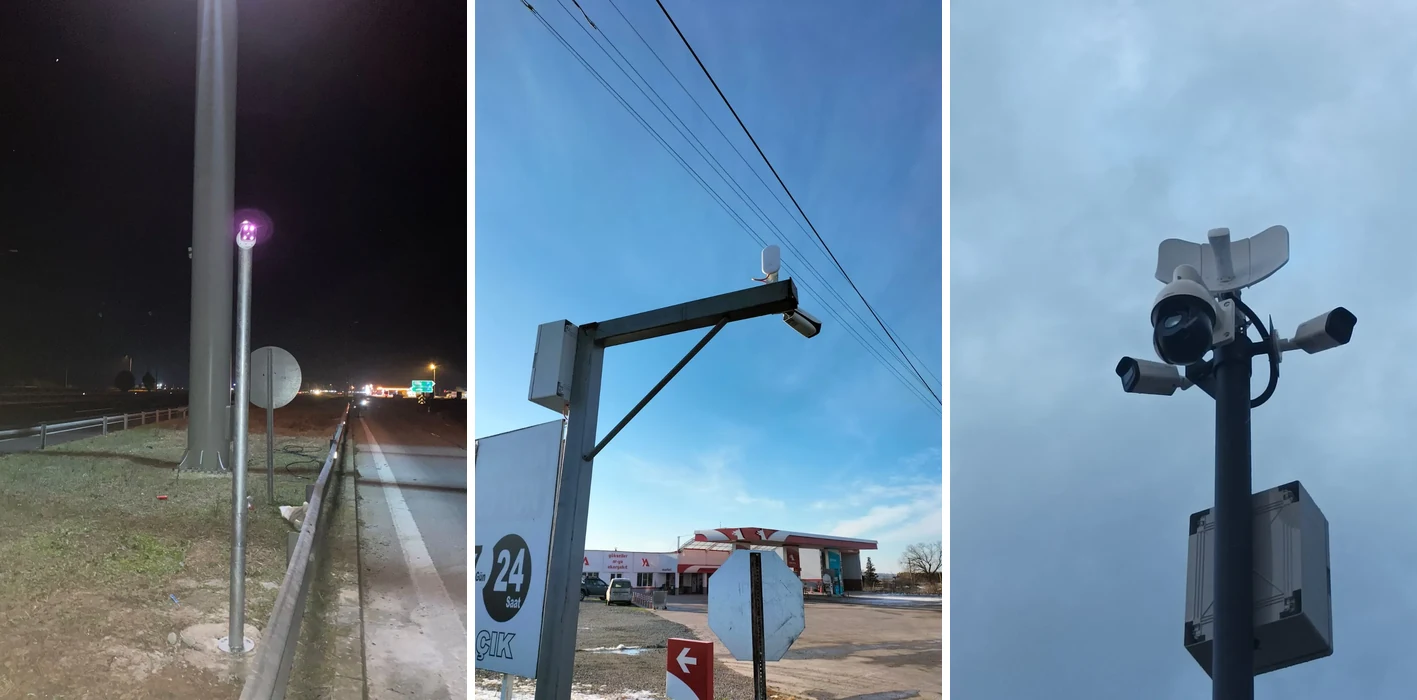
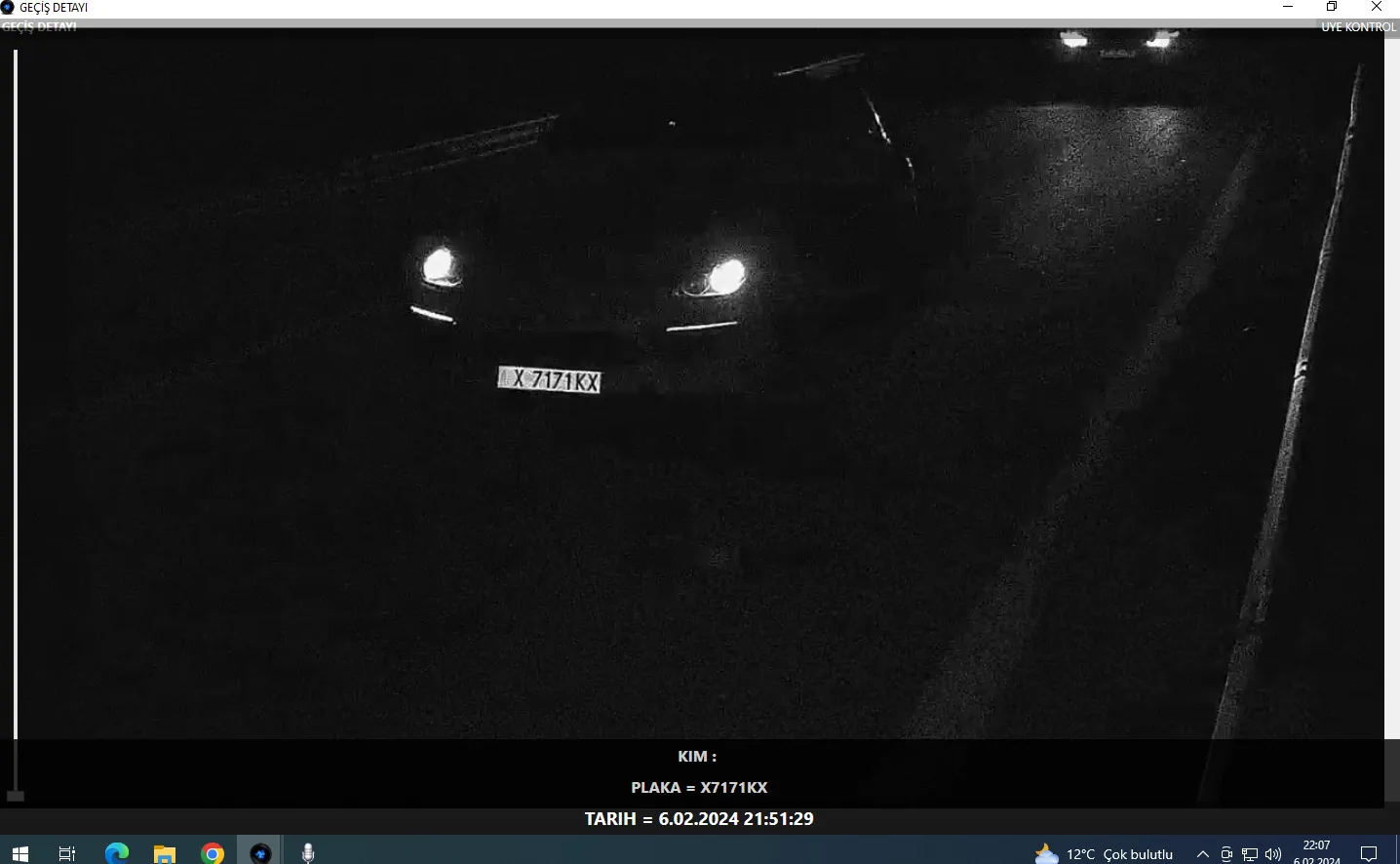
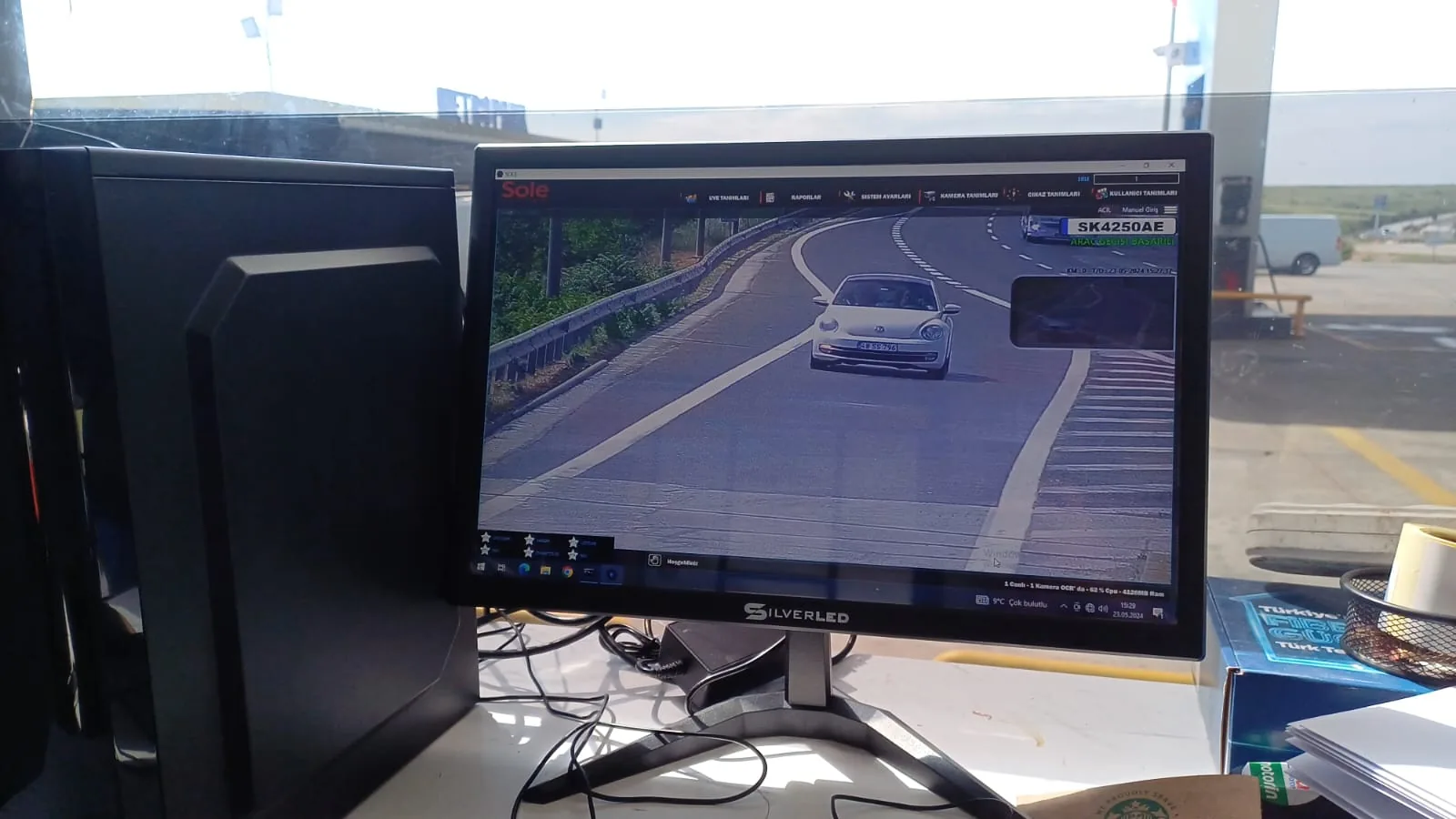
A field panel is installed on the camera side, containing a PoE switch and a wireless access point (transmitter). The camera is both powered and has its video carried via the PoE switch. The field access point relays the video over a point-to-point wireless bridge to the center, up to 2-5 km away. A second access point on the central side receives the signal and passes the data to the computer running the license plate recognition software. This establishes an uninterrupted video and data link from the camera to the central software, without running cable.
Which sites choose a wireless system?
- Construction sites: Permanent cabling is not economical at temporary gates; when the job ends the system can be moved to the next site.
- Truck parks: On large sites the distance between the gate and the office drives cable cost up quickly. Our Edirne Truck Park project is a field example of this scenario.
- Fuel stations: Digging up the forecourt is costly and interrupts business; a wireless bridge removes that work. Our Opet-Mepet Lüleburgaz installation is wireless.
- Mines and quarries: Weighbridges and site gates are often far from the administration building.
- Agricultural and livestock facilities: On scattered farm and village roads, vehicle records are carried wirelessly to the center; in our Edirne wireless project village entrances are monitored this way.
- Large campuses: Remote gates at factories, universities and logistics centres are linked to the central security room.
What to watch for in a wireless installation
For the wireless bridge to work reliably, there must be clear line-of-sight between the two access points; buildings, trees or hills in between weaken the signal. Distance, antenna gain and frequency band are selected based on the site. The field panel should be sealed and grounded to protect the PoE switch and access point from moisture, heat and dust, and the PoE switch should be sized according to the number of cameras and power needs.
Power at sites without mains
The wireless bridge removes the data cable, but the camera and field panel still need power on site. Where mains is available, a feed is taken from the nearest supply. Where there is none, an optional solar panel and battery solution is engineered during the survey based on the camera and panel consumption.
Wireless system components
| Typical range | 2-5 km (more possible with clear line-of-sight) |
|---|---|
| Camera side | Field panel + PoE switch + access point (transmitter) |
| Central side | Access point (receiver) + license plate recognition software computer |
| Connection type | Point-to-point wireless bridge |
| Prerequisite | Clear line-of-sight between the two points |
| Integration | Relay, TCP/IP, API |
| Architecture | Local, cloud or hybrid |
Night reading and pricing
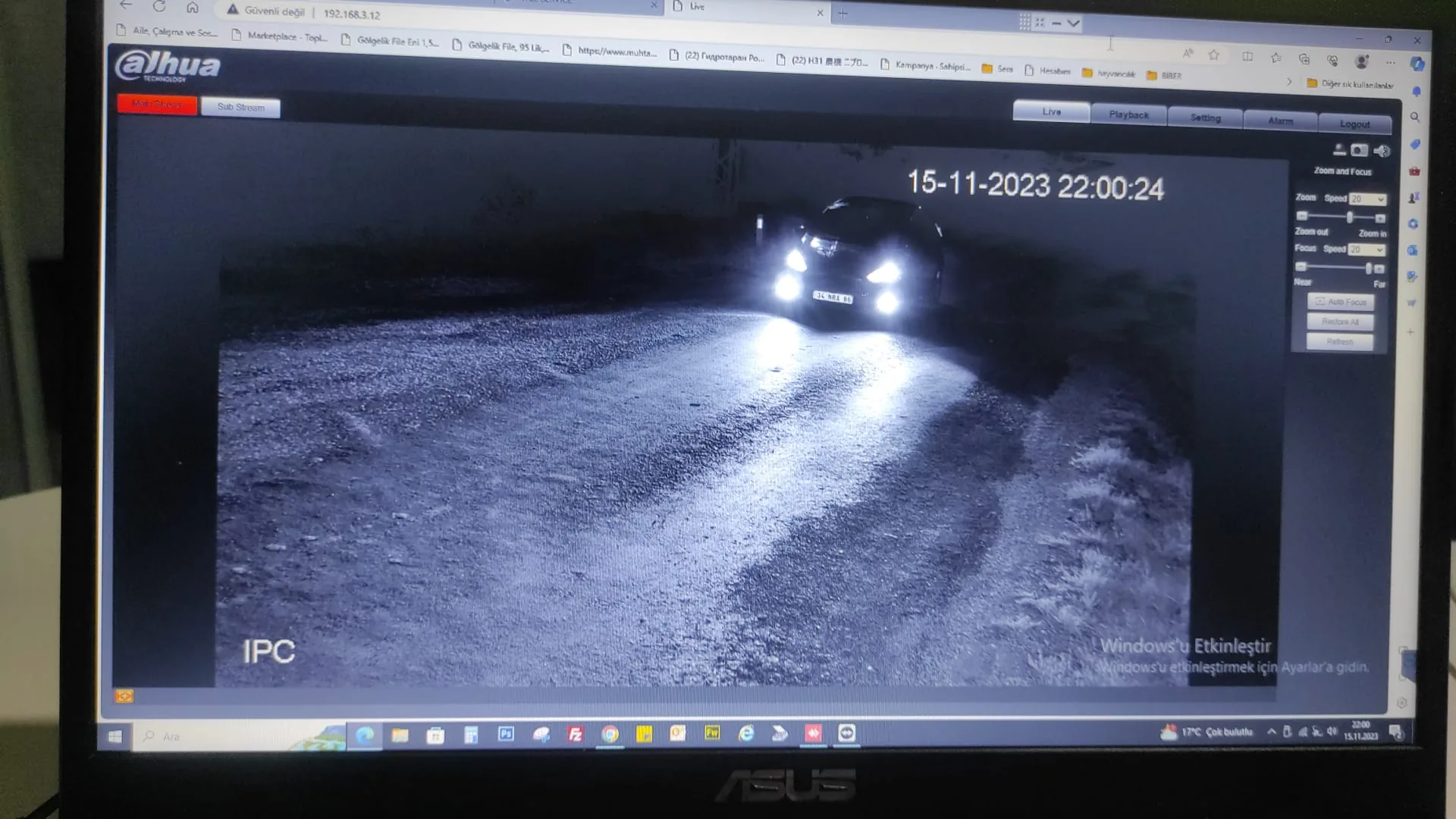
Wireless sites are often poorly lit open areas; see our night plate-reading guide for headlight glare and IR selection, and our LPR system pricing page for the items that determine cost.
Frequently asked questions
How far can wireless license plate recognition operate?
It typically works reliably over 2-5 km with clear line-of-sight; longer distances are possible with the right antenna gain and frequency selection.
What hardware is used in a wireless system?
A field panel with a PoE switch and access point is used on the camera side, and a second access point plus the computer running the license plate recognition software on the central side.
Can this solution work without internet?
Yes. The wireless bridge is the site's own local network; with a local server or edge architecture, core access operations continue without internet.
How long does installation take?
Duration is determined after a site survey based on infrastructure, distance and lane count. Since no cable trenches are dug, it is usually shorter than a wired installation.
Does it integrate with an existing barrier?
It can integrate with many barrier systems that support relay, TCP/IP or API control.
Can it be used at a site without mains power?
The camera and field panel need power on site. Where there is no grid supply, an optional solar panel and battery power solution is engineered during the survey.
Last updated: September 12, 2026 · Technical content: Gray Teknoloji project team
Get a free site survey and quote → Call us