
Project need
Unlike the site's other single-point deployments, this project called for a wireless LPR network spread across a wide geographic area: at rural village entrances with no fiber or copper cabling infrastructure, vehicle transits had to be logged by plate and monitored from one central point.
Solution implemented
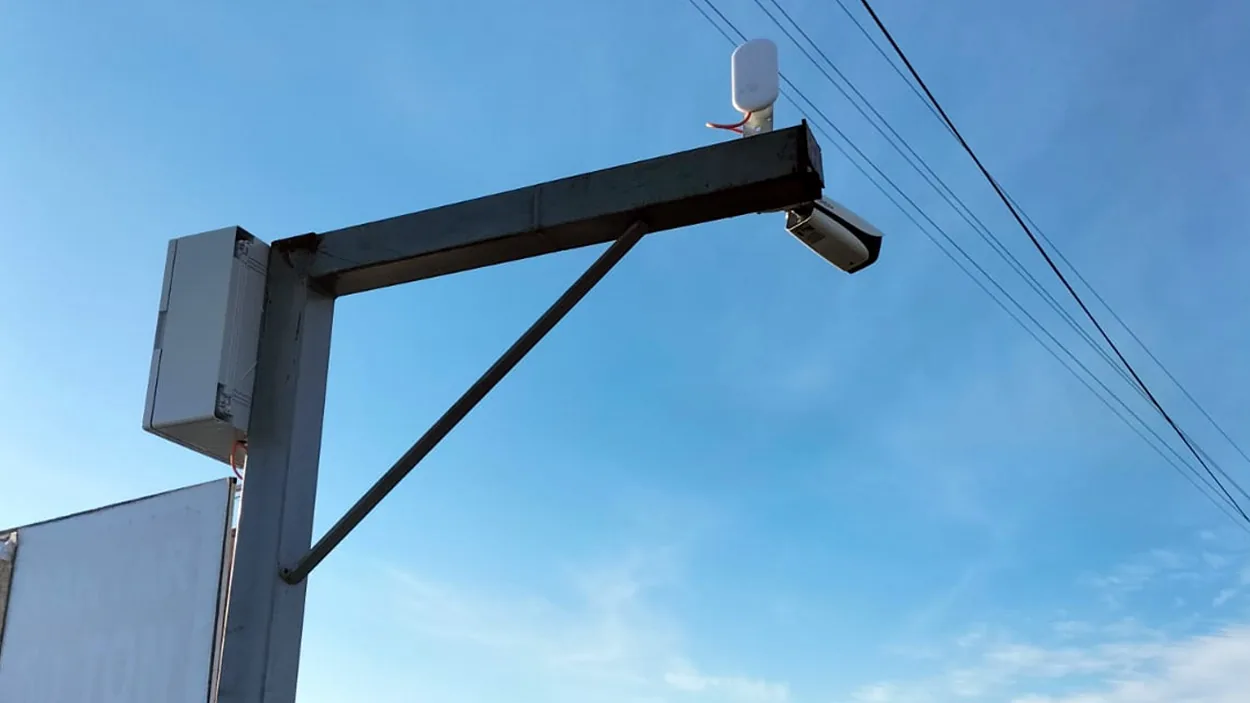
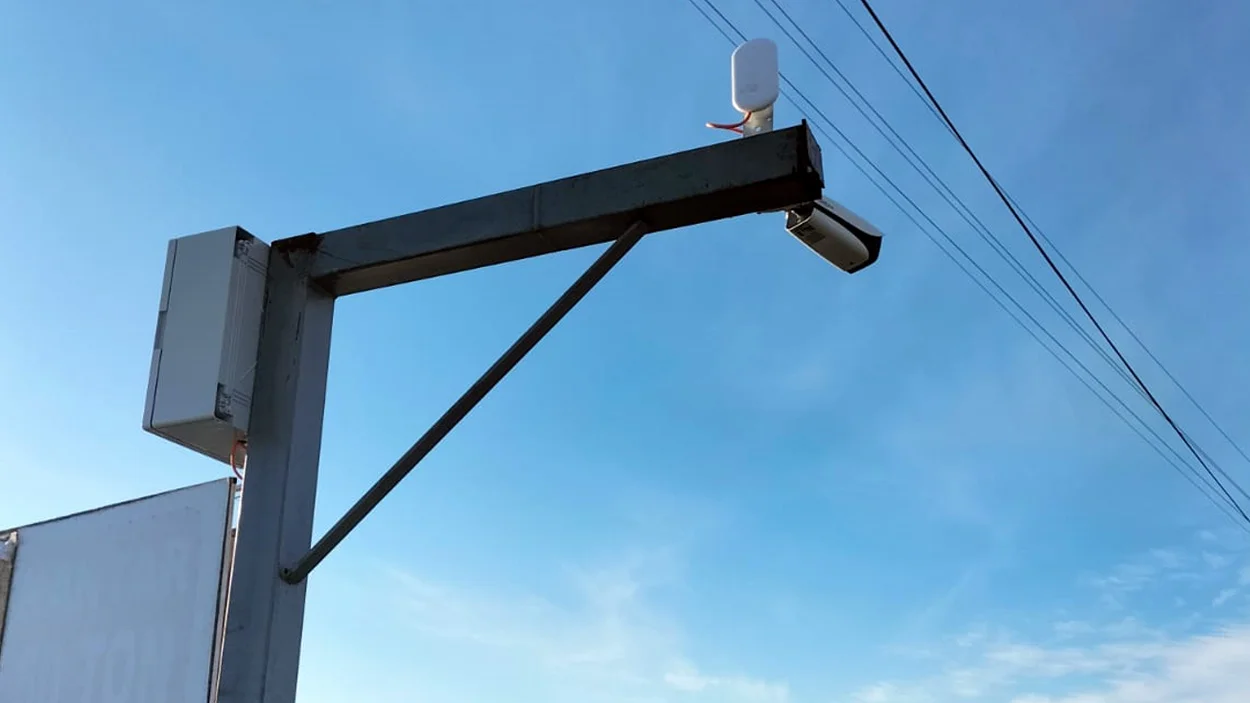
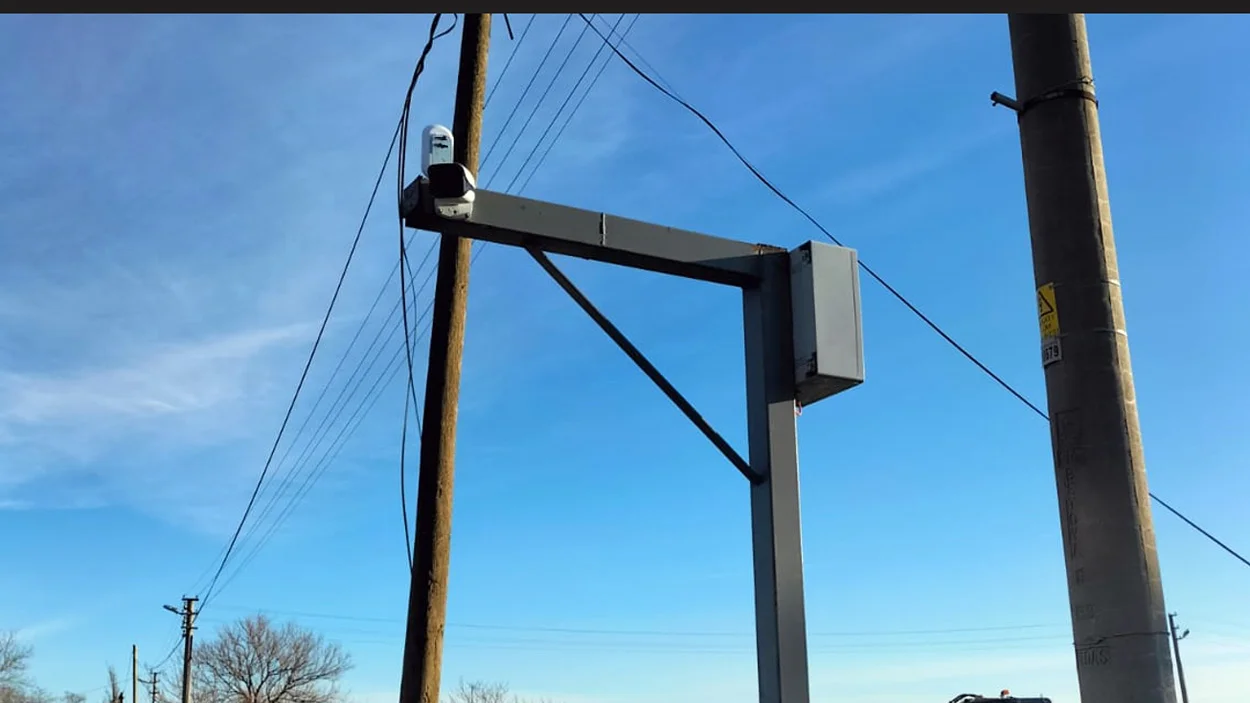
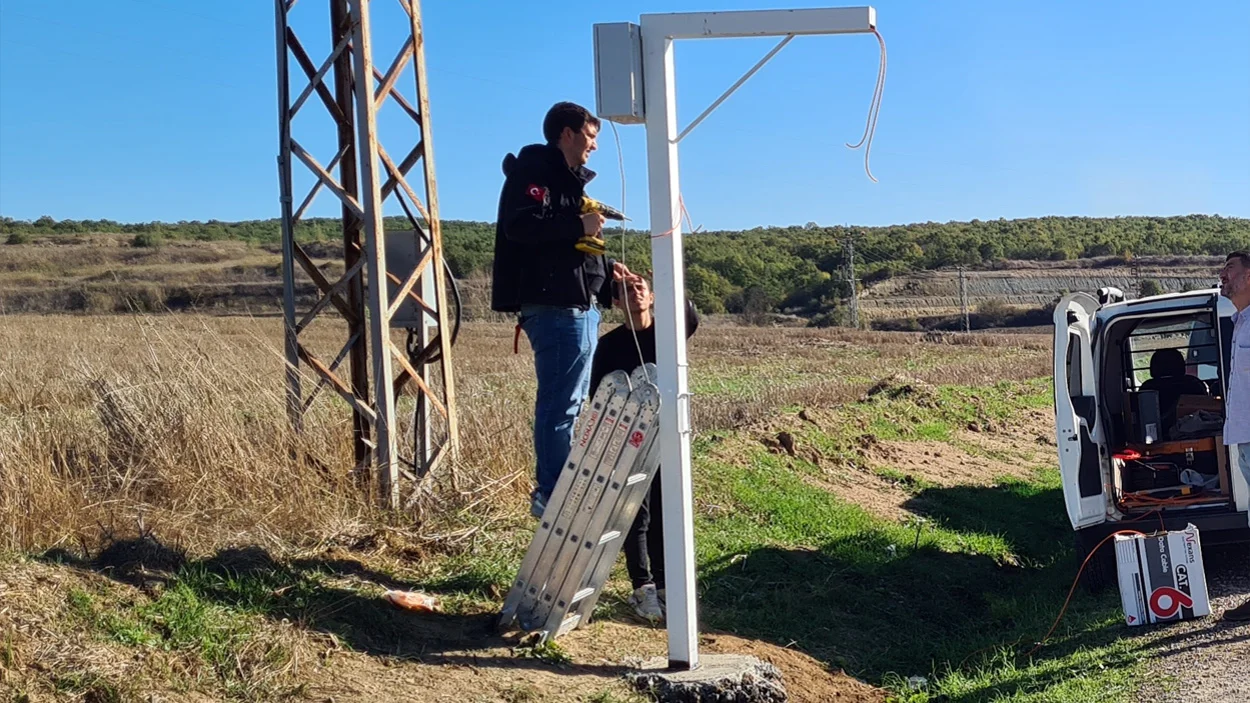
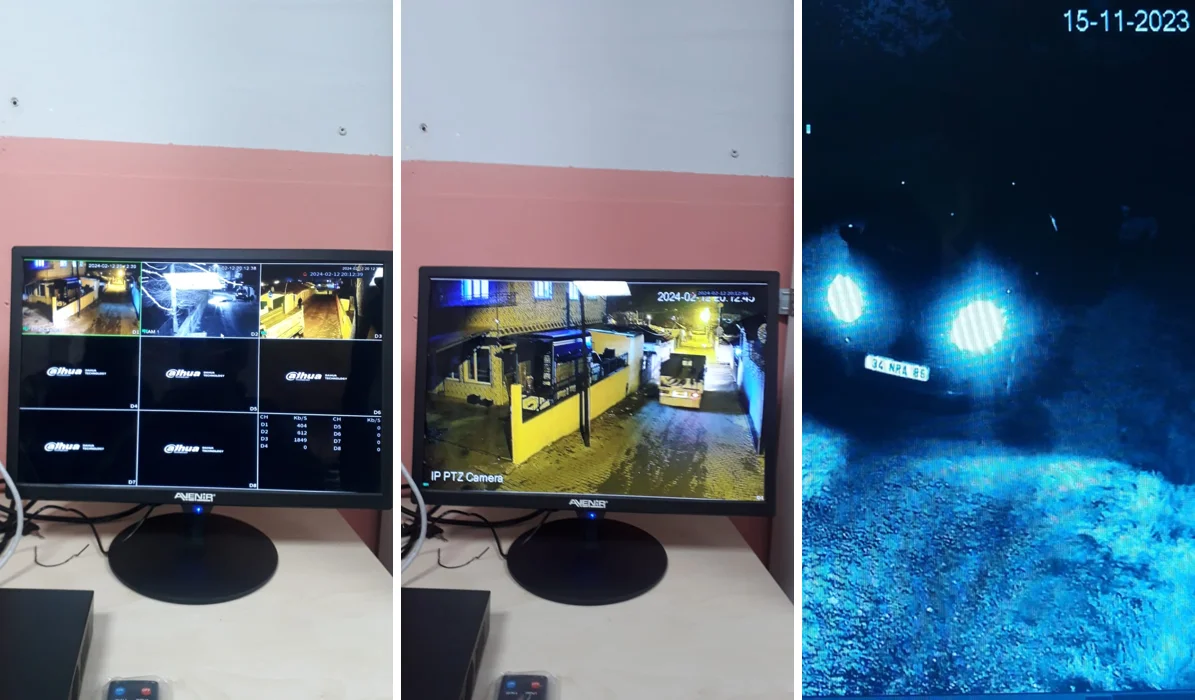
An LPR camera and a wireless access point were installed at each village's entry/exit. Depending on site conditions, the camera feed and plate data travel over a point-to-point wireless link — up to 1.5 km — to a second access point mounted on the local headman's (muhtar) office building, or on a nearby mosque in some villages. An NVR (network video recorder) at the headman's office collects all recordings; a connected screen shows both live footage and plate history. This architecture was replicated at 13 village entrances in total. Our take: establishing a stable wireless bridge over an open-field distance of 1.5 km is real engineering work — it requires carefully planning camera angle and antenna alignment against the terrain.
Benefit delivered
Each of the 13 villages got a logging infrastructure without running cable networks (a cost and time advantage); local administrators can now monitor vehicle entries and exits in their area from one central screen.