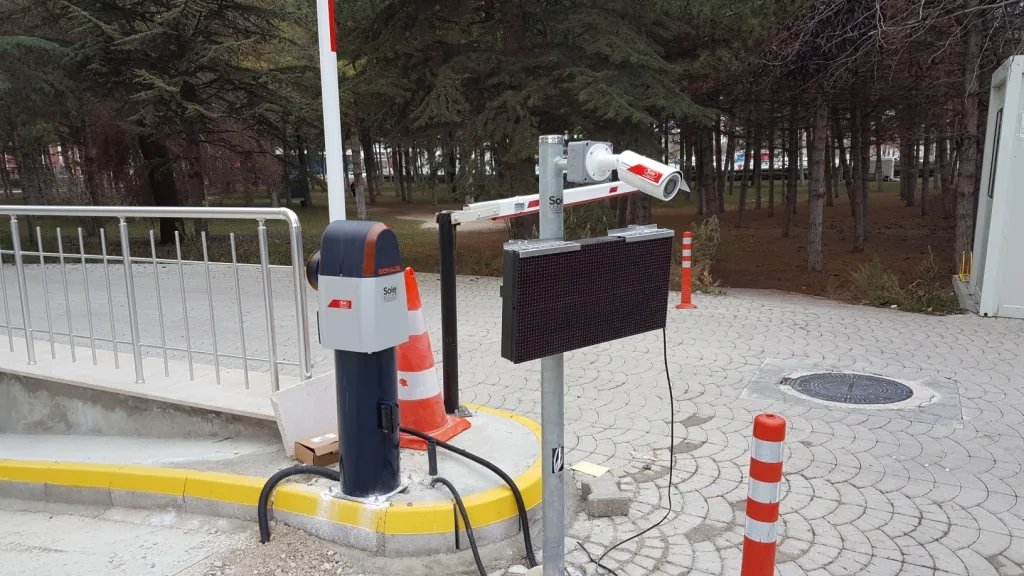
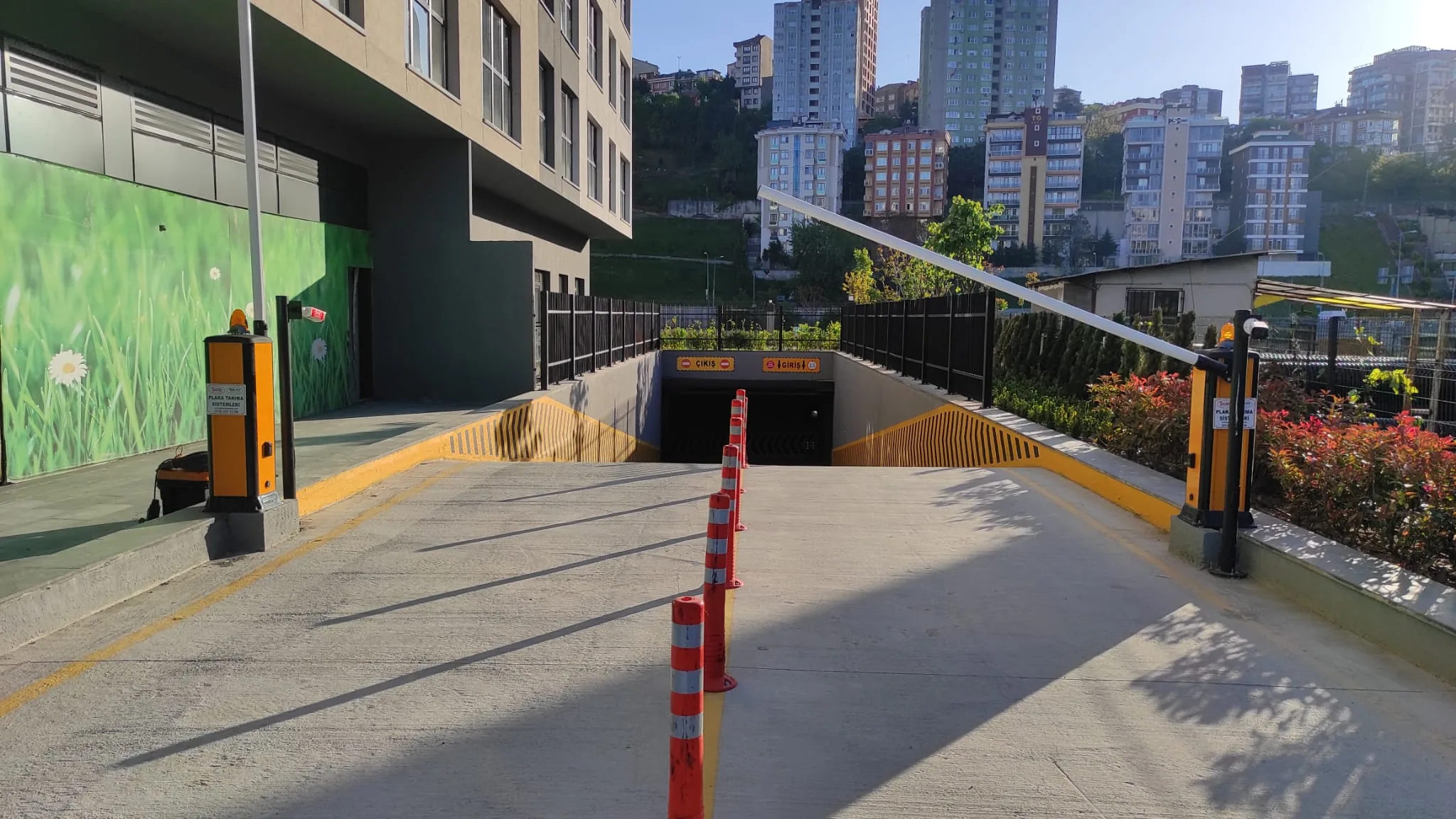
Direct answer: In a residential license plate recognition system, entry cameras automatically recognize subscribers and, based on their entry-time authorization and subscriber entry quota, automatically open the barrier or sliding gate to let the vehicle in; on exit, the subscriber's vehicle is again recognized by plate and let out. All entries and exits are logged with a photo on the operator's computer.
How does it work step by step at a residential entrance?
The system removes the need to distribute cards, tags or remote controls. This eliminates operational problems and extra costs such as faulty cards or lost remotes. The flow is as follows:
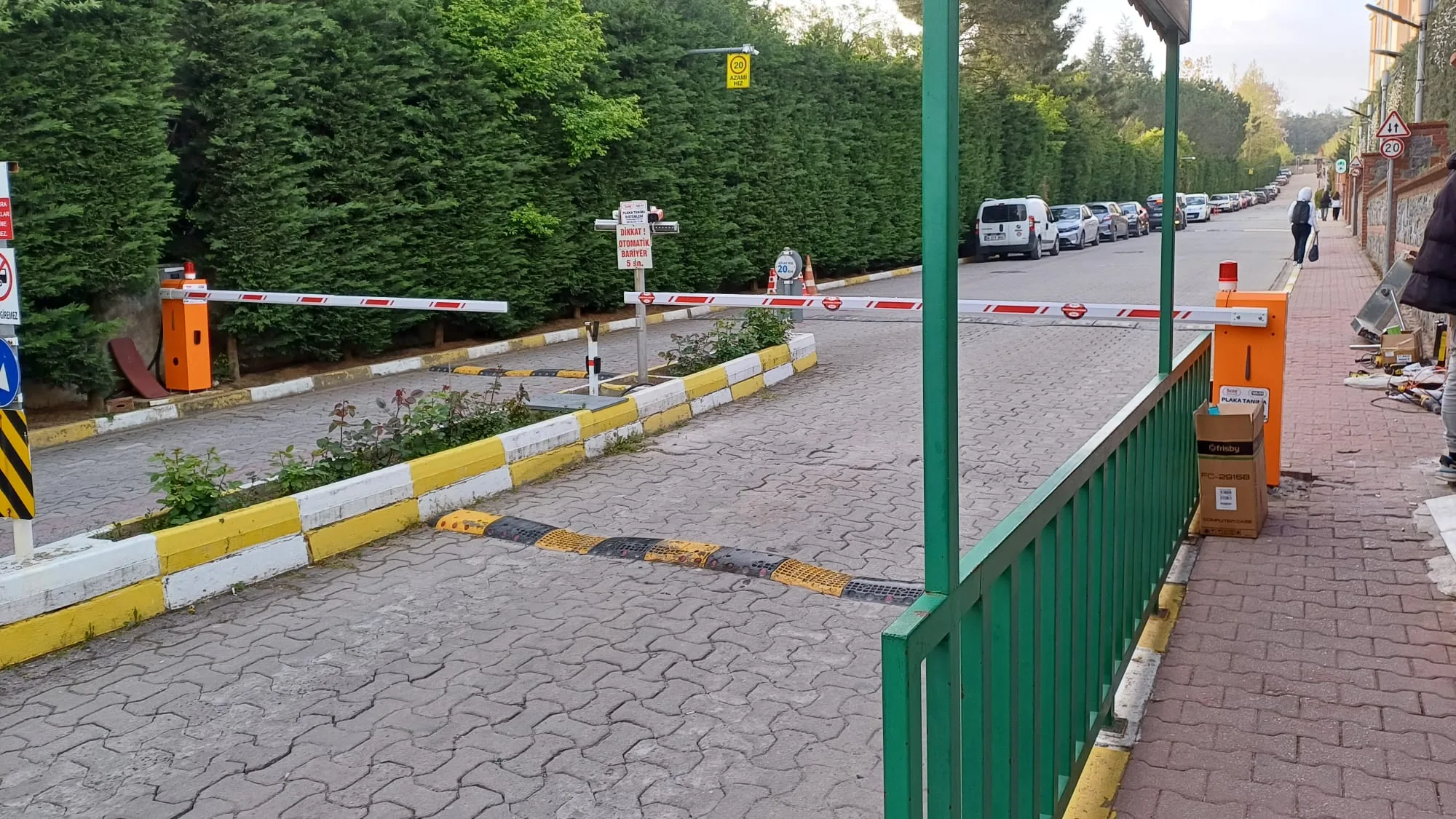
- Entry: IP cameras installed at the entrance automatically detect each vehicle, read the plate and compare it against the subscriber list; if it is a subscriber, entry-time authorization and the subscriber entry quota are checked, and if eligible, the barrier or sliding gate opens automatically to let the vehicle in.
- Exit: When a subscriber's vehicle reaches the exit, the camera reads the plate again and lets the vehicle out.
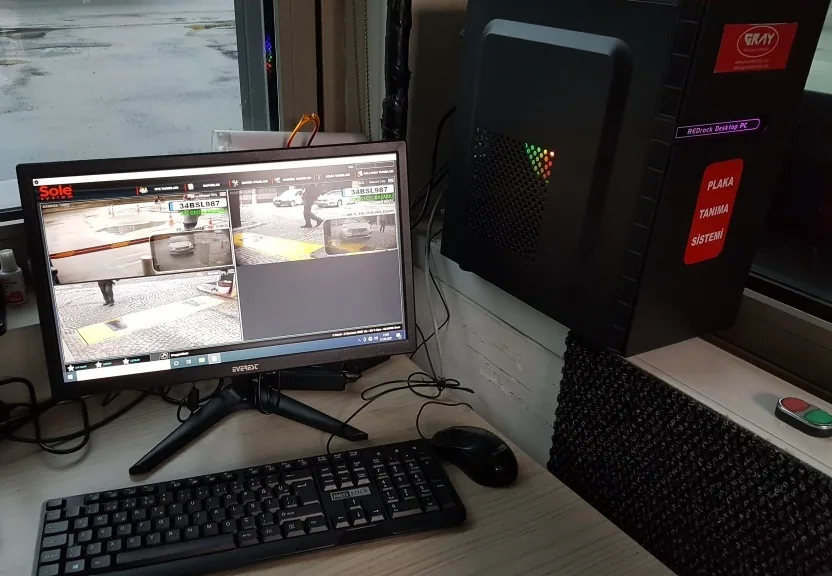
- Logging: Every entry and exit is logged with a photo in the operator's software and displayed on screen in real time.
Entry-time authorization and subscriber quota
Subscribers can be granted entry authorization only within specific time windows; each subscriber can also be given a defined vehicle/entry quota, blocking crossings that exceed the quota or lack authorization. Residents or security staff can define the plates of guest and courier vehicles for a limited time via the panel or mobile app; the system automatically lets that vehicle through within the defined date/time window. When a tenant changes, the old plate is deactivated and the new one is added — no physical card needs to be returned.
Barrier and sliding gate integration
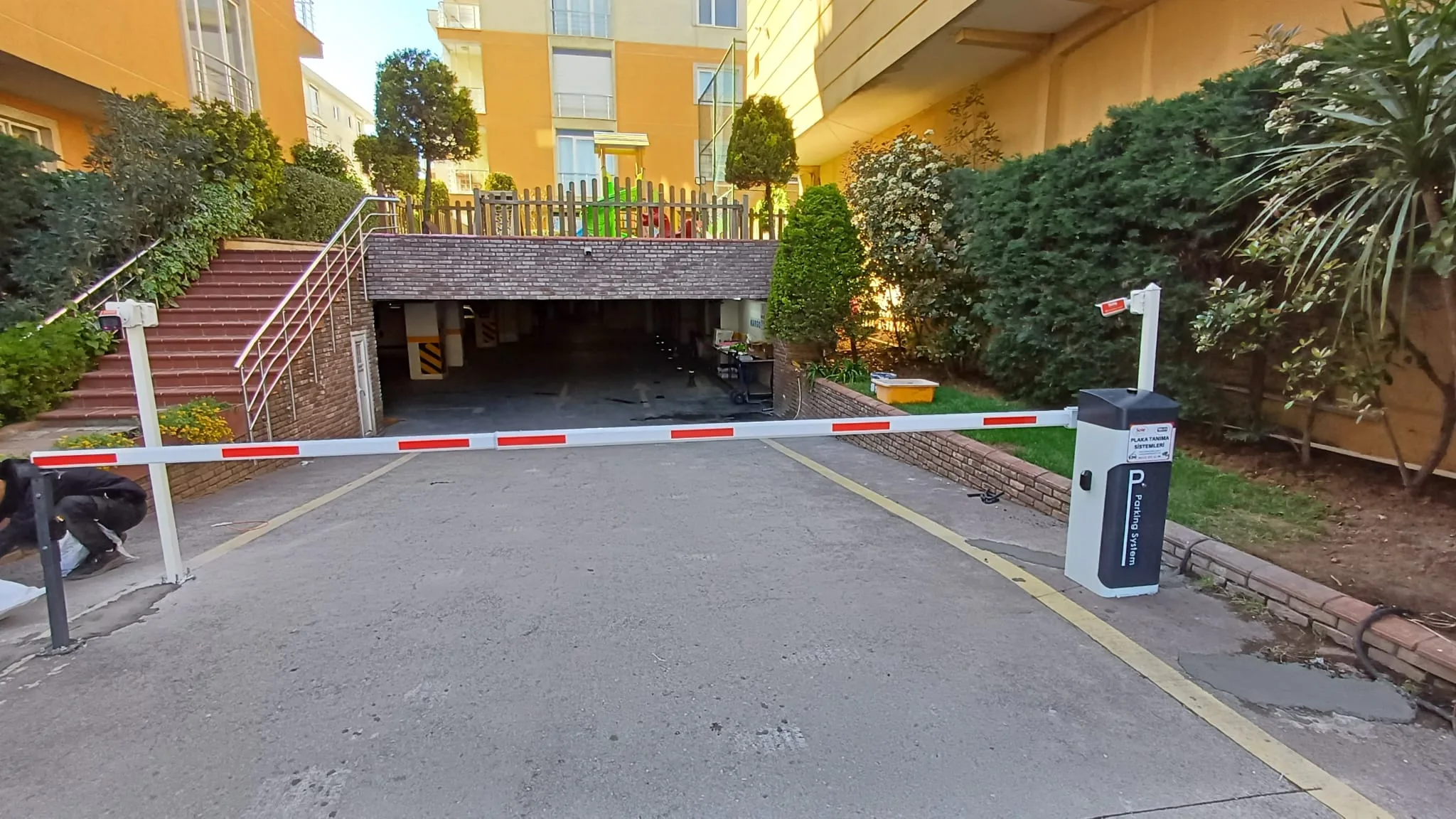
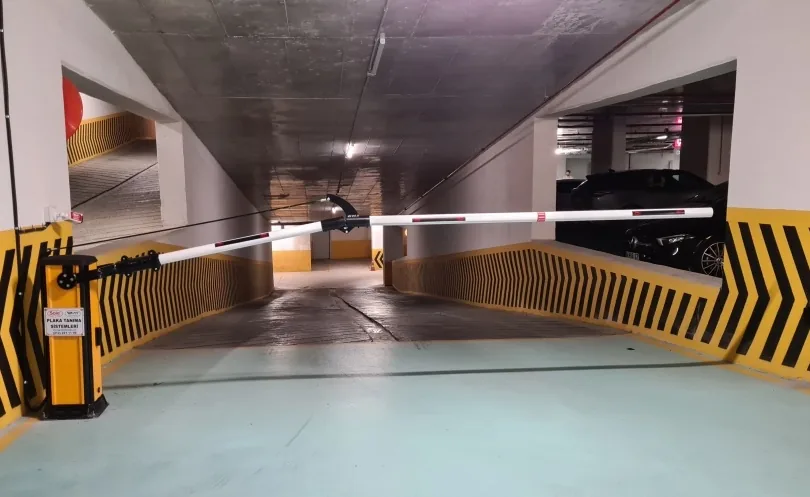
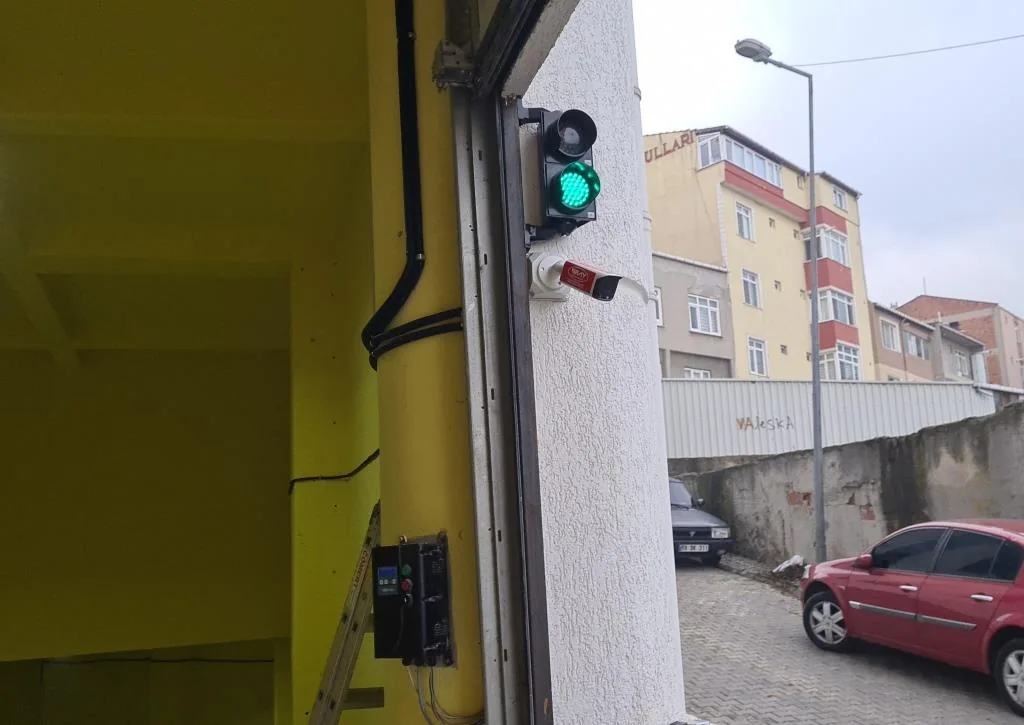
The camera and panel installed at the residential entrance are integrated with the existing boom barrier, sliding gate motor or turnstile control unit via relay or TCP/IP. Once the plate is verified, the relevant access hardware opens automatically; a notification can be sent to security staff when an unregistered or blacklisted vehicle is detected.
Cabinet panel and system architecture
At the center of the system is a panel located in the residential entrance booth. Inside the panel are the PoE unit that powers the cameras and carries their data over a single cable, the network switch, electrical protection components, and the relay card that opens the barrier/sliding gate. The cameras, access hardware relay card and operator's computer are all connected to the same network through this switch and communicate with each other via the TCP/IP protocol. Consolidating all devices on a single network keeps the system running continuously and in sync.
Technical performance
The system identifies resident and guest vehicle plates with 98% accuracy in an average of 20 milliseconds, and continues to operate with the same accuracy for consecutive vehicles and under different day/night lighting conditions. It automatically triggers an audible and visual alarm for security staff when an unregistered or blacklisted vehicle approaches the entrance; the plate, date, time and photo record of every vehicle that passes through the system is stored for 10 years.
Key features
Resident vehicles
Provides vehicle registration and authorization per unit and block.
Guest entry
Offers secure, controlled visitor access via time-limited plate registration.
Barrier integration
Automatically opens the barrier and logs the crossing once the plate is verified.
Reference project
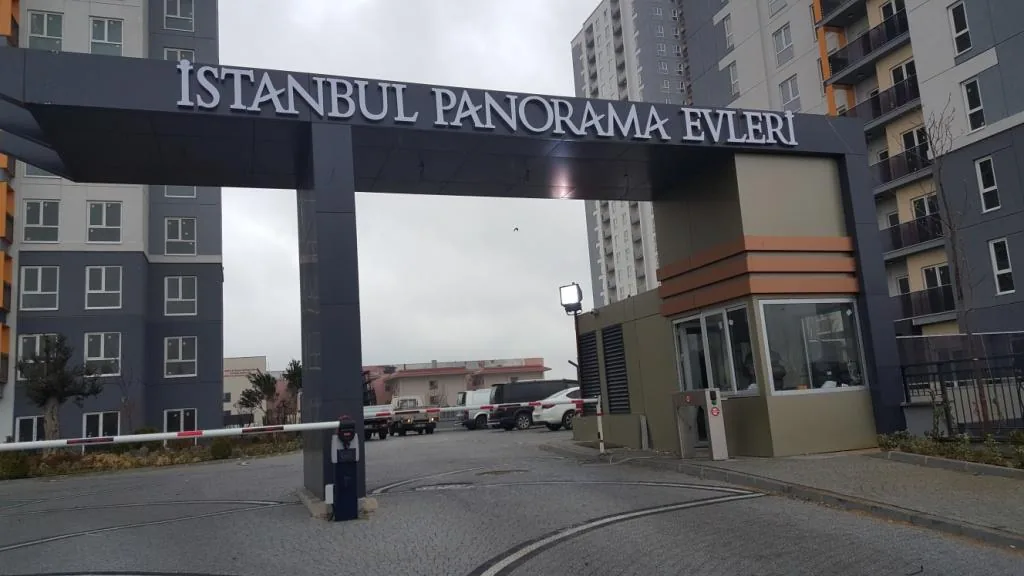
The residential project we completed in Kartal / Istanbul is a real-world application of the solution on this page. View case study →
Quick technical facts
| Access hardware | Boom barrier or sliding gate motor |
|---|---|
| Cabinet panel | PoE, switch, electrical protection, relay card |
| Communication | TCP/IP (all devices on the same switch/network) |
| Logging | Photo-logged entry/exit, real-time on operator screen |
| Authorization | Entry-time authorization and subscriber entry quota |
| Integration | Relay, TCP/IP, API |
| List management | Whitelist, blacklist and guest |
| Reporting | Plate, date, time, direction, image |
| Architecture | Local, cloud or hybrid |
| Recognition time | Average 20 milliseconds |
| Accuracy rate | 98% |
| Record retention period | 10 years (plate + photo) |
Frequently asked questions
What is a subscriber entry quota?
It is the limit on the number of vehicles/entries defined for each subscriber; crossings beyond the quota are automatically blocked by the system.
What is entry-time authorization for?
Subscribers can be granted access only within specific time windows; access requests outside that window are treated as unauthorized.
How are entries and exits recorded?
Every entry and exit is logged in the operator's software together with the plate and a photo, and displayed on screen in real time.
Can this solution work without internet?
When a local server or edge architecture is used, core access operations can continue without internet.
How long does installation take?
Duration is determined after a site survey based on site infrastructure and the number of lanes.
Does it integrate with an existing barrier?
It can integrate with many barrier systems that support relay, TCP/IP or API control.
Last updated: July 21, 2026 · Technical content: Gray Teknoloji project team
Get a free site survey and quote →