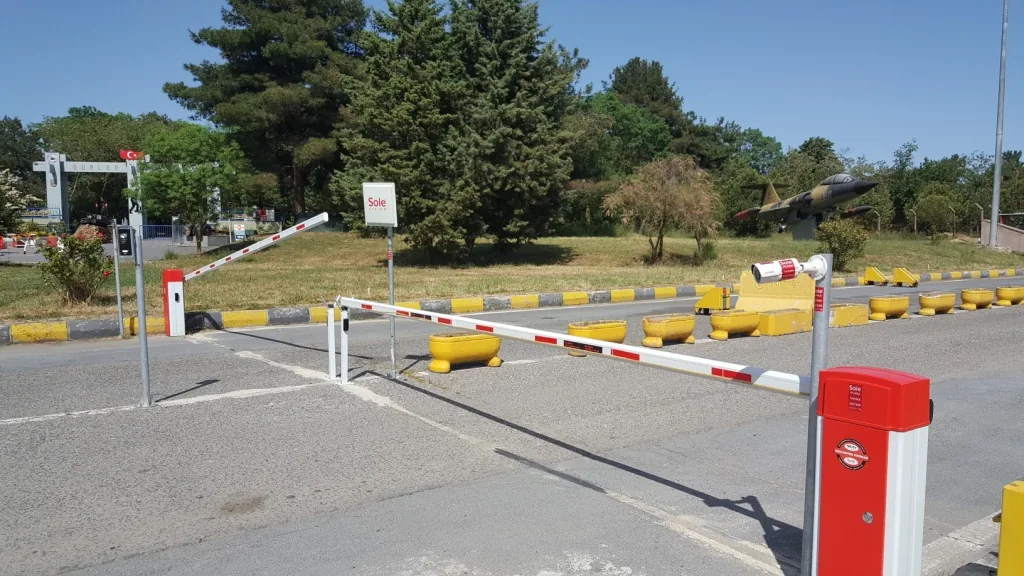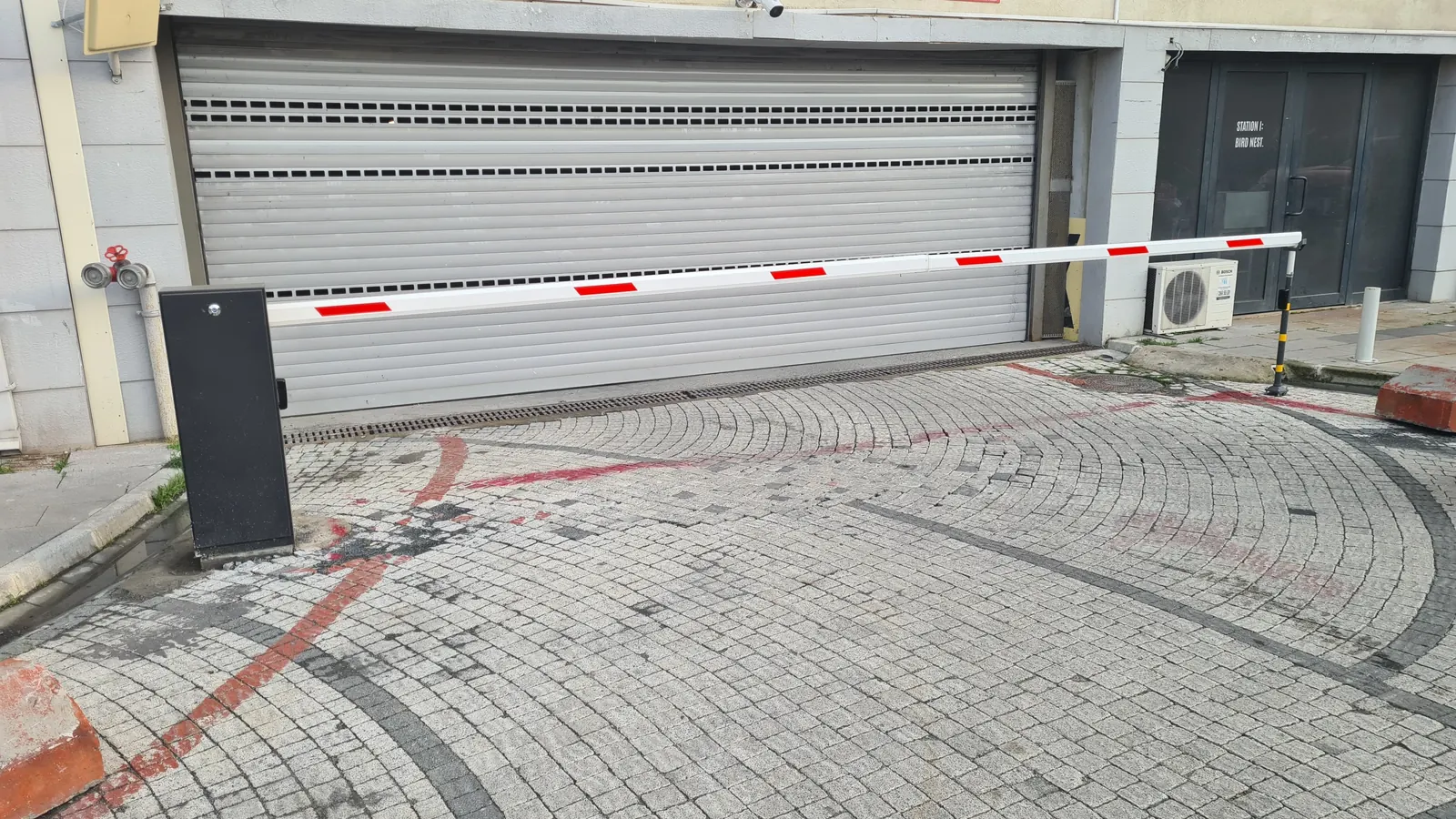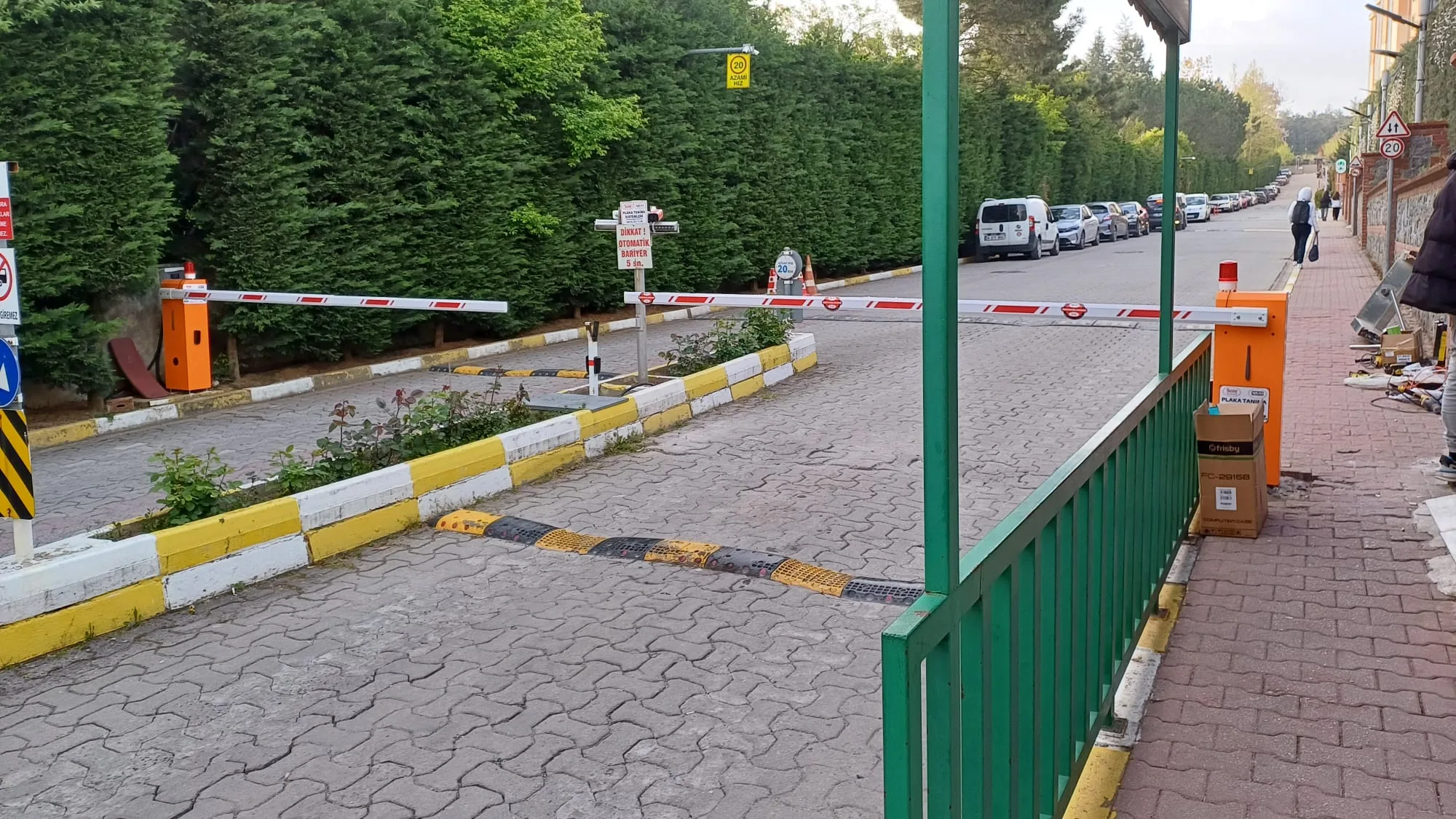
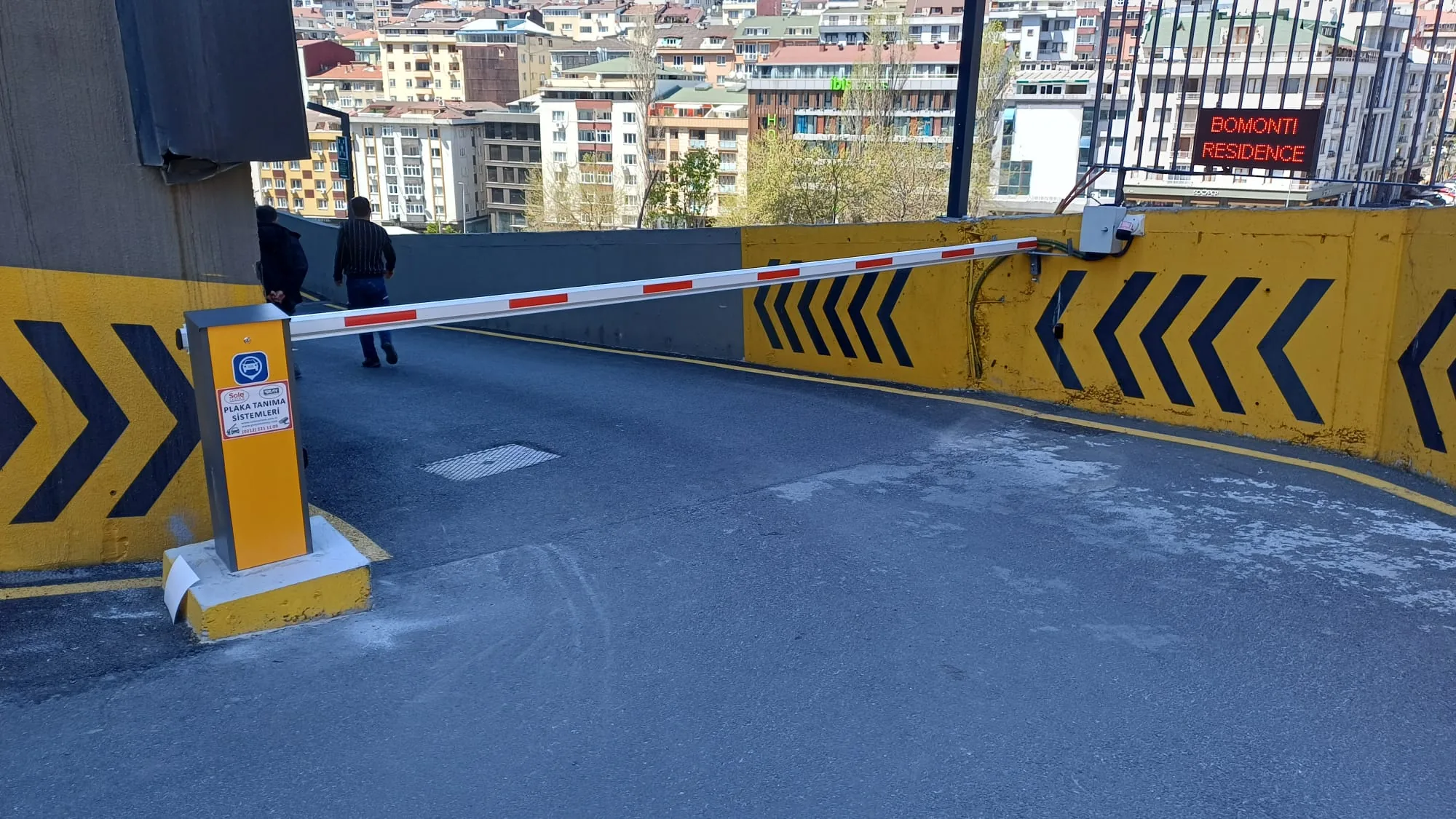
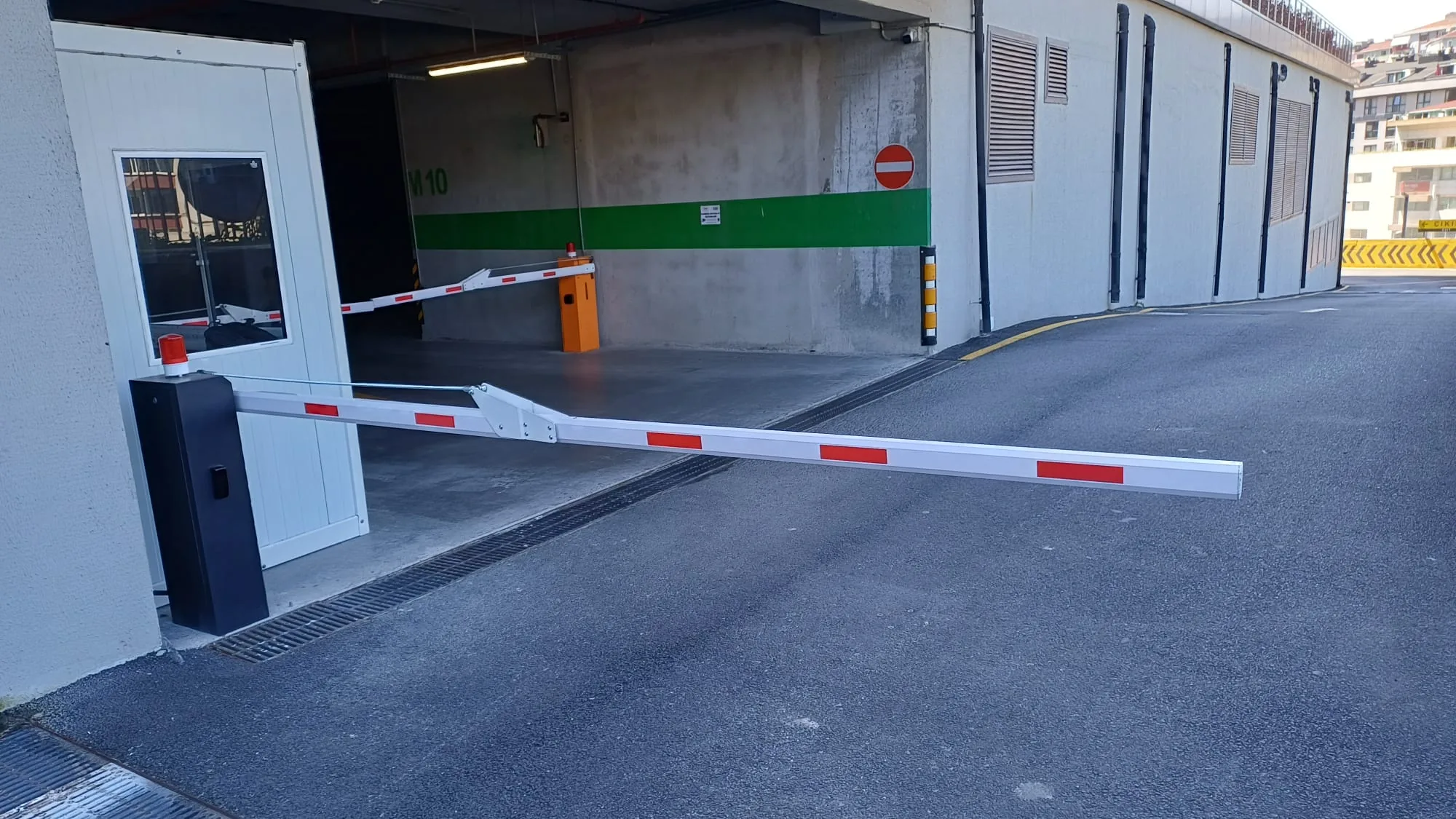
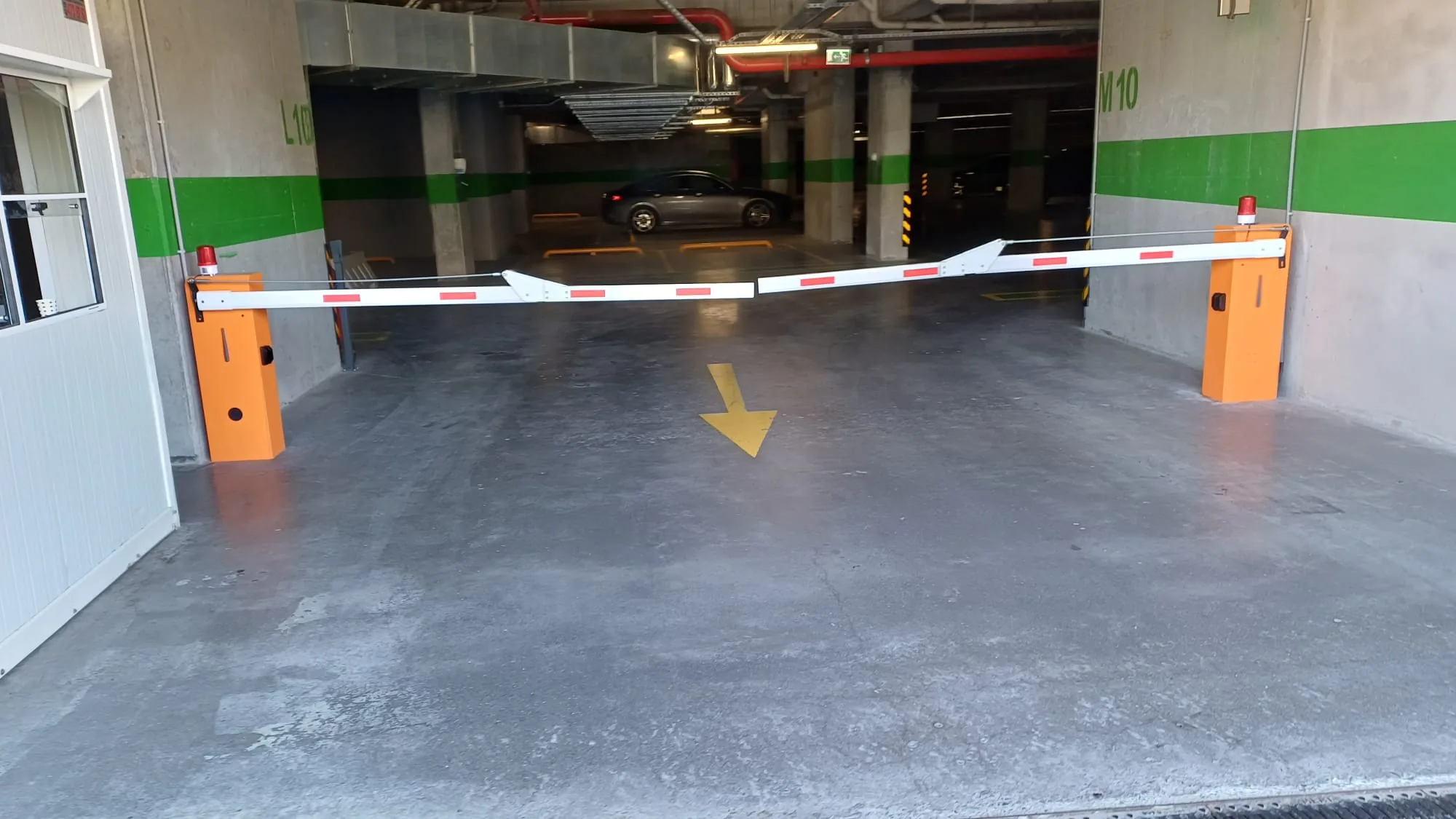
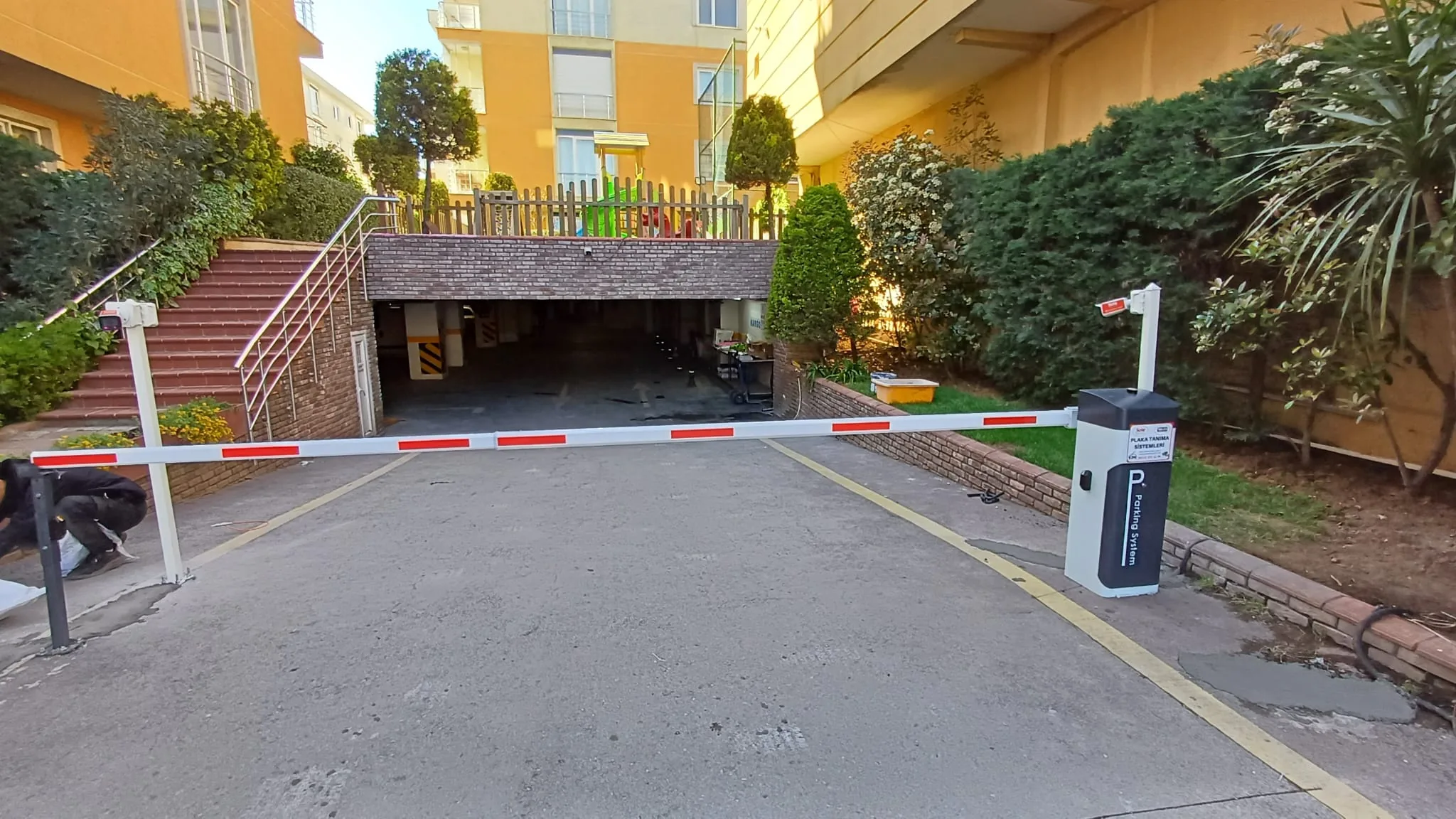
Direct answer: Barrier, sliding gate, etc. integration means that when the LPR system verifies an authorized vehicle, it sends an "open" command to the on-site transit hardware (boom barrier, sliding gate motor, folding barrier, or turnstile) via relay, TCP/IP, or API. This way, your existing transit hardware works automatically with license plate recognition without being replaced.
Which hardware does it integrate with?
The system works with boom barriers, sliding gate motors, folding barriers, and turnstiles. Existing equipment that supports relay, dry contact, TCP/IP, or API can, in most cases, connect to the system without being replaced; the right connection method is determined during the site survey.
Relay integration
In relay integration, the LPR software triggers the dry-contact input on the barrier control board when it verifies an authorized vehicle. It is a simple method with no network dependency, compatible with most standard barrier brands.
TCP/IP integration
In TCP/IP integration, the command is sent to an IP-based barrier controller over the local network or the internet. This method makes it easier to manage multiple entrances or remote locations from a single central panel.
Safety photocell and loop detector
The safety photocell detects whether a vehicle or person is underneath the barrier as it closes and stops the closing motion. The loop detector physically confirms vehicle passage, preventing the barrier from closing early even if the plate has already been read but the vehicle has not yet passed.
Guardhouse panel and system architecture
The heart of the integration is the panel at the entry/exit guardhouse. The panel houses PoE (which powers cameras over a single cable while carrying their data), a network switch, electrical protection components, and the relay card that opens the barrier or sliding gate. Cameras, the relay card, and the LPR computer connect to the same network through the same switch and communicate with each other via the TCP/IP protocol; bringing all devices onto a single network ensures uninterrupted, synchronized operation.
Software-free (camera-based) operating option
Alternatively, the system can be set up like the License Plate Recognition Without Software solution: plate reading and decision-making happen directly on the camera, and the camera sends a relay signal directly to the barrier or sliding gate motor. This mode requires no separate panel computer; it's a practical solution for single-point entries such as a villa or a single site entrance. The right architecture (panel-based central system or software-free camera-based system) is chosen based on the number of entrances and the management needs of the site.
Quick technical facts
| Transit hardware | Boom barrier, sliding gate motor, folding barrier, turnstile |
|---|---|
| Guardhouse panel | PoE, switch, electrical protection, relay card |
| Communication | TCP/IP (all devices on the same switch/network) |
| Operating mode | Panel-based central system or software-free camera-based |
| Integration | Relay, TCP/IP, API |
| List management | Whitelist, blacklist, and guest |
| Reporting | Plate, date, time, direction, image |
| Operating model | Local, cloud, or hybrid |
Frequently asked questions
Does it also work with a sliding gate motor?
Yes. When a plate is verified, the system can send an open command not only to an boom barrier but also to a sliding gate motor, folding barrier, or turnstile via relay, TCP/IP, or API.
What does the guardhouse panel contain?
The panel houses PoE that powers the cameras, a network switch, electrical protection components, and the relay card that opens the barrier or sliding gate. All devices communicate over the same switch via TCP/IP.
Can it be installed without a separate computer?
Yes. In software-free mode, plate reading and decision-making happen directly on the camera; the camera triggers the transit hardware directly with a relay signal.
Can this solution work without internet access?
When a local server or edge architecture is preferred, basic transit operations can continue without internet access.
How long does installation take?
The duration is determined after a site survey, based on field infrastructure and the number of lanes.
Does it integrate with an existing barrier?
Integration is possible with many barrier systems that support relay, TCP/IP, or API connectivity.
Last updated: July 21, 2026 · Technical content: Gray Teknoloji project team
Get a free survey and quote →