
Direct answer: An boom barrier is the most widely used access control hardware at parking and facility entrances, opening and closing vehicle access with a moving arm triggered by license plate recognition or a card/remote control. Models are available for scenarios ranging from high traffic to low-density residential entrances, based on arm length, motor power and operating voltage.
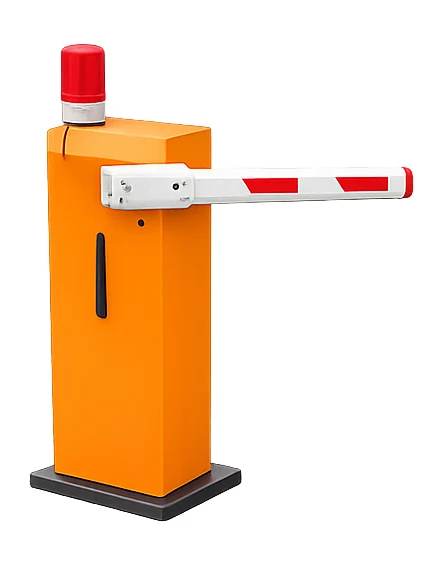
SOLE 24V TekPlus Barrier 4 m
24V DC servo motor, 4-meter telescopic arm and 2-6 sec adjustable opening. A -30°C/+80°C operating range gives it an edge in harsh-climate sites.
Product details →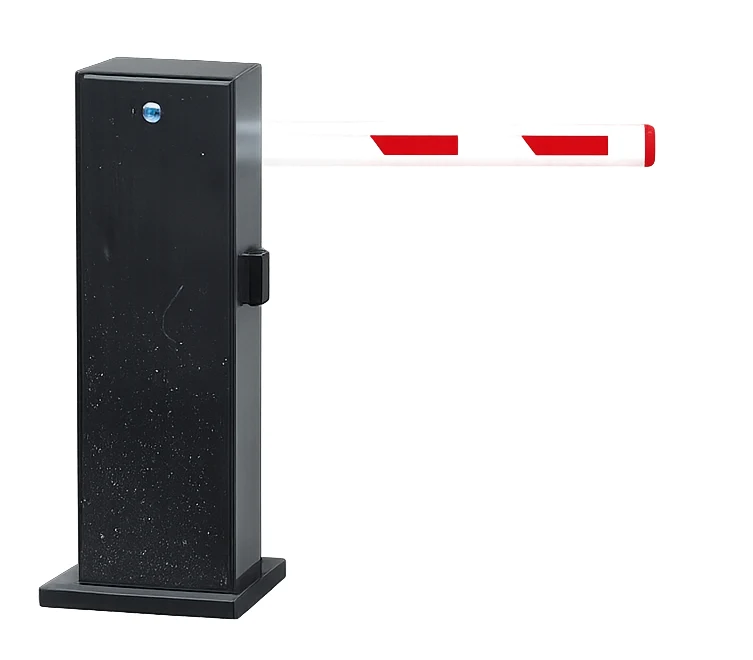
SOLE 24V TekPlus Barrier 5-6 m
4-6 meter telescopic arm, 1.5/3/6 sec adjustable opening and PLC inverter control. IP65 protection makes it suitable for wide outdoor entrances; remote control, counter-post and photocell set are included.
Product details →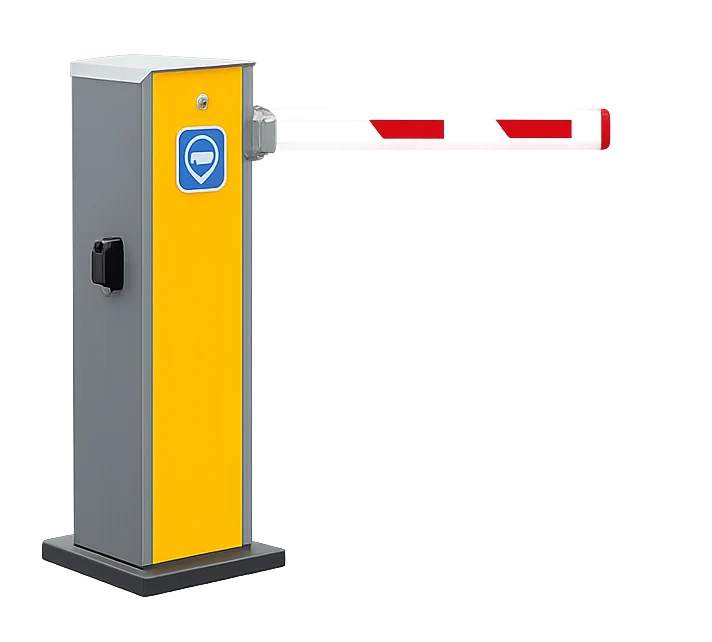
SOLE MTC 213 Barrier 3-5 m
Staged opening times and a compact body make it suitable for residential, apartment and business entrances; automatic reverse function and a detachable arm are standard.
Product details →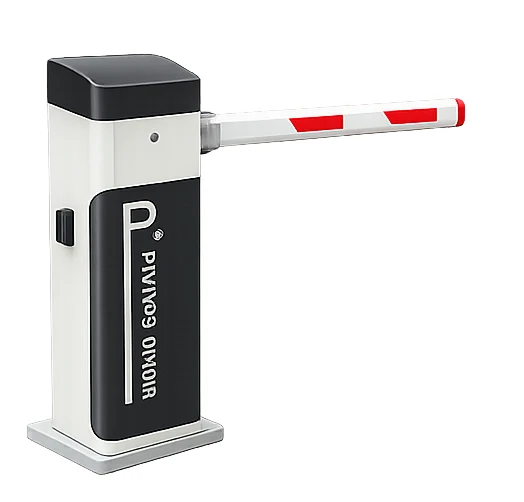
SOLE MTC 214 Barrier Set 3-6 m
Traffic light relay output, arm up/down signal relay and counting mode make it suitable for parking lots with occupancy management; the arm detaches on impact.
Product details →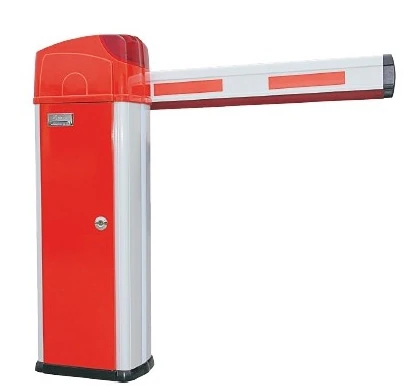
SOLE 24V Mass Pro Barrier
The DC motor design allows it to run on battery or UPS power during outages, making it an economical, low-maintenance option for medium-density residential and factory entrances.
Product details →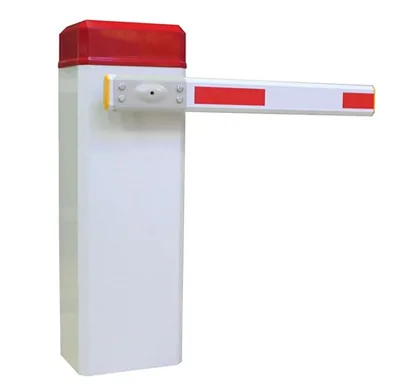
SOLE 220V AC Mass Pro Barrier
We favor the AC motor for its longer service life and higher torque, for corporate facility and logistics center entrances that run 24/7 without interruption.
Product details →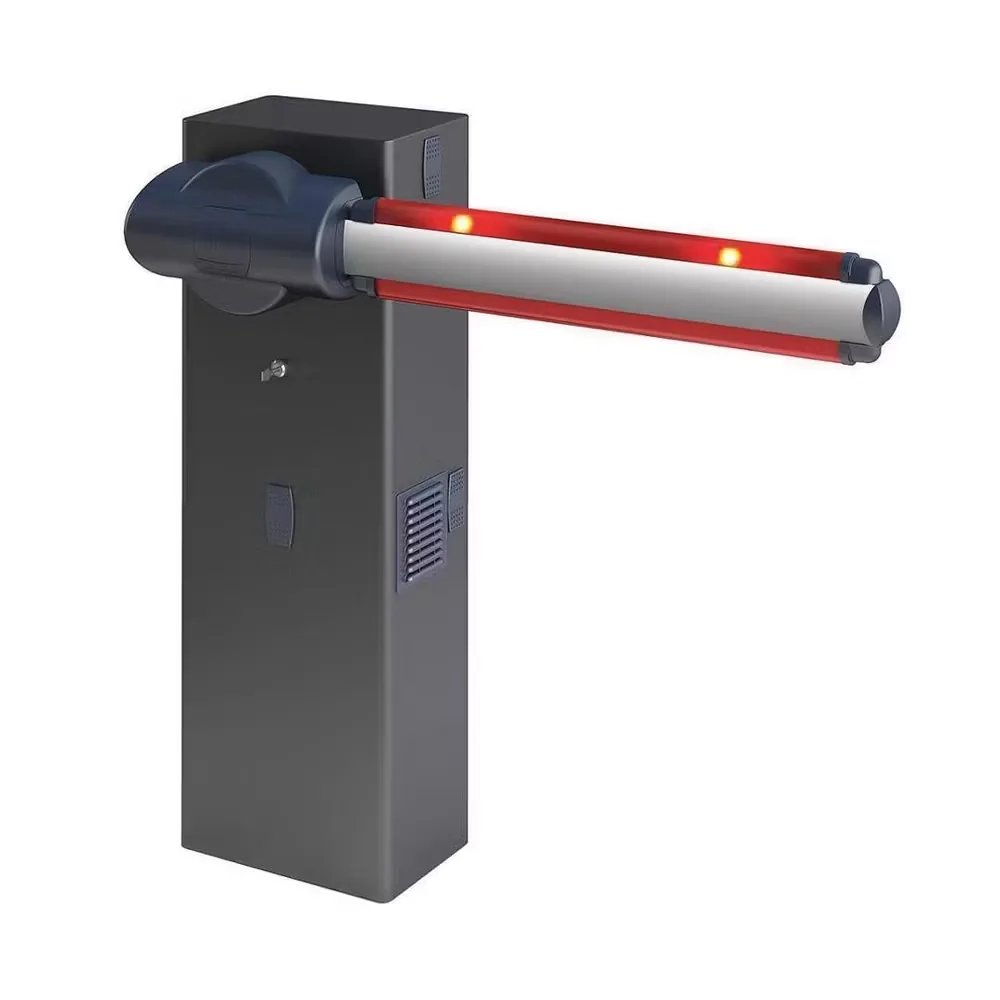
Italian BFT Moovi Barrier 4 m
A complete set designed for semi-intensive use; 230V AC power simplifies installation, offering a good cost-performance balance for residential entrances.
Product details →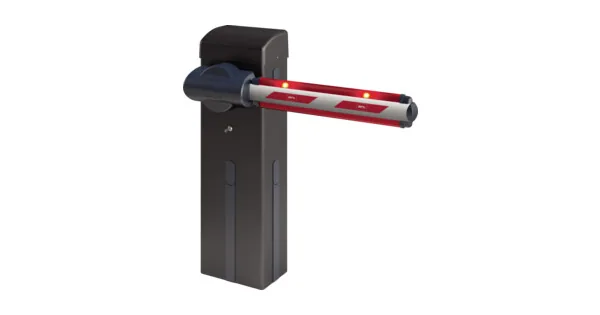
Italian GIOTTO Barrier 4-5 m
Very-intensive-use class, 300W motor power and a 2.2-second opening time reduce queuing at paid parking lots and shopping mall entrances with continuous vehicle flow.
Product details →Which boom barrier should I choose?
The choice depends on daily crossing volume, arm span, electrical infrastructure (AC/DC) and budget. For high-traffic entrances we recommend fast, high-duty-cycle models; for low-density residential/villa entrances, the economical or quiet-running Italian series. We carry out a site survey to finalize the exact model choice.
Safety components
Boom barriers are fitted with safety sensors such as a loop detector and/or photocell that detect a vehicle under the arm and prevent it from closing; a manual release mechanism also allows the arm to be lifted by hand during a power outage.
Installation process
The site survey evaluates the crossing width, electrical infrastructure and ground conditions; a concrete foundation is prepared if needed. After the barrier body is mounted and wired, the arm is attached, and the system is commissioned after balance adjustment and safety sensor testing.
Maintenance and service
The arm's balance and spring tension, motor/gear lubrication, control board connections and correct operation of the safety sensors should be checked regularly. See our barrier maintenance guide for detailed intervals and steps.
Frequently asked questions
How long does an boom barrier installation take?
Usually completed within one business day if the ground/electrical infrastructure is ready; if additional infrastructure is needed, the timeline is confirmed after the site survey.
How often should an boom barrier be serviced?
Every 3-6 months for medium-density sites; a more frequent interval is recommended for busy commercial entrances.
Last updated: July 24, 2026 · Technical data: Sole System product catalog
Get a free site survey and quote →