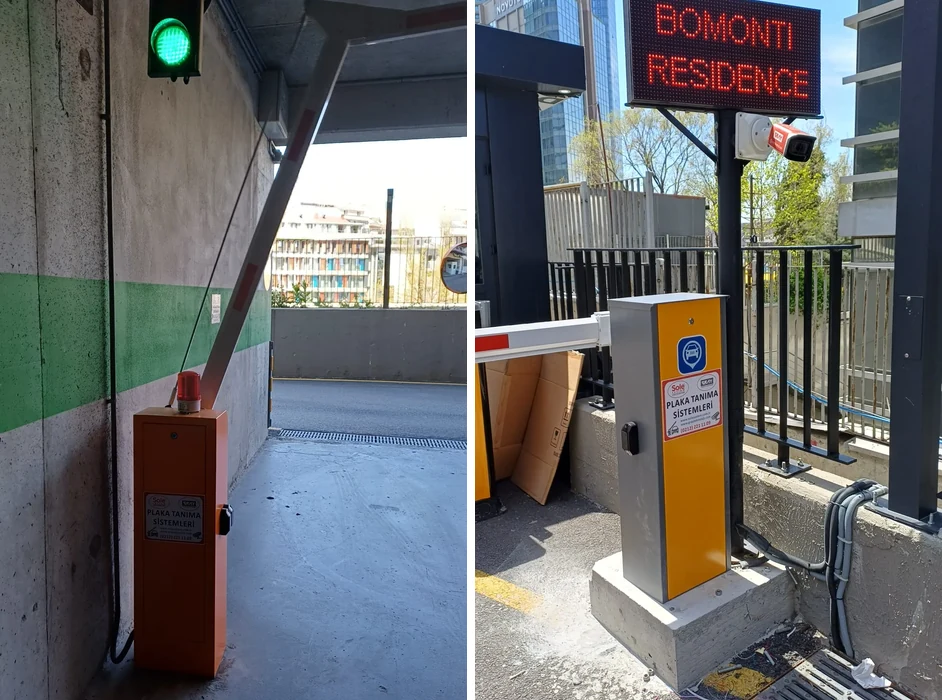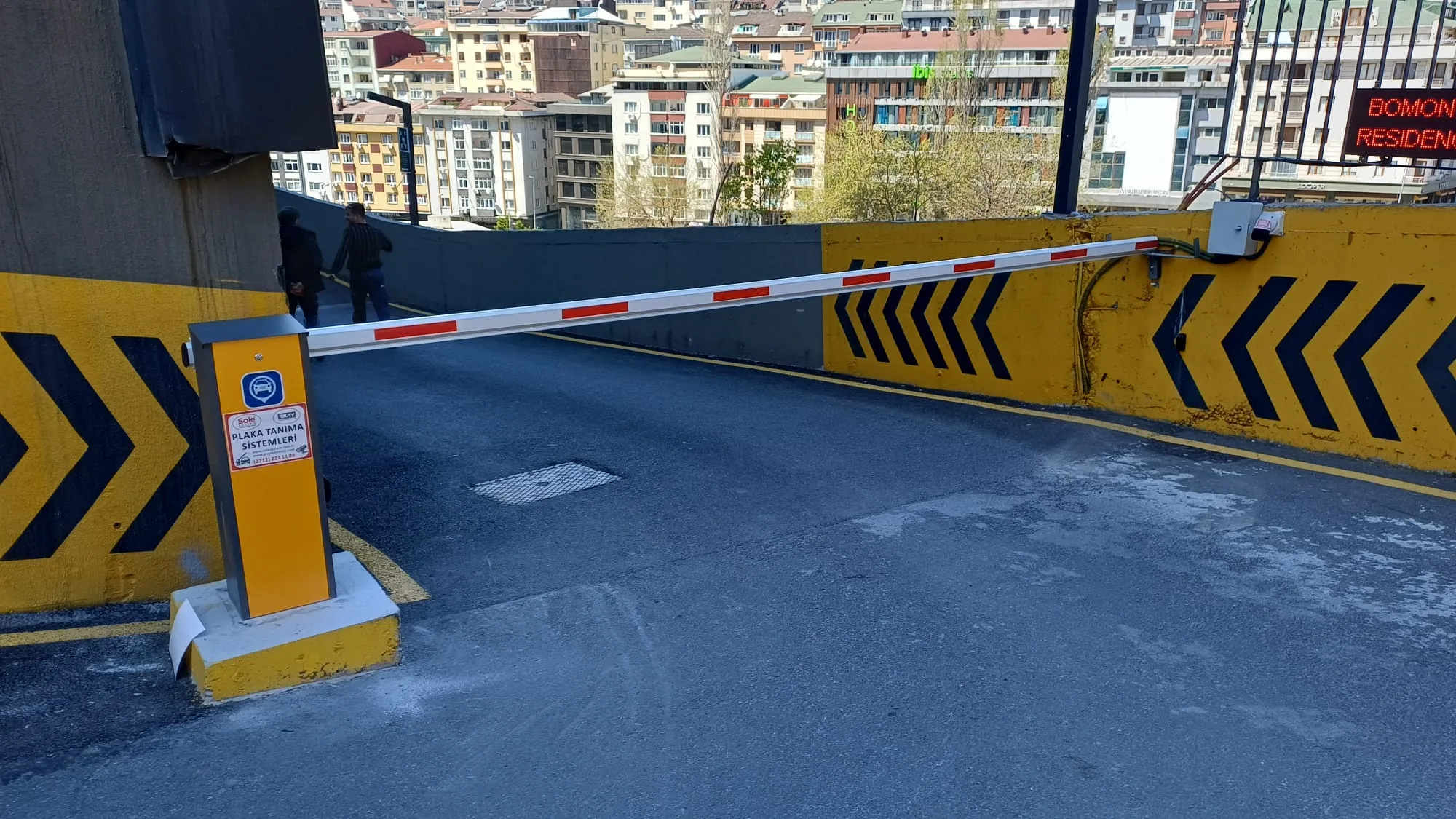
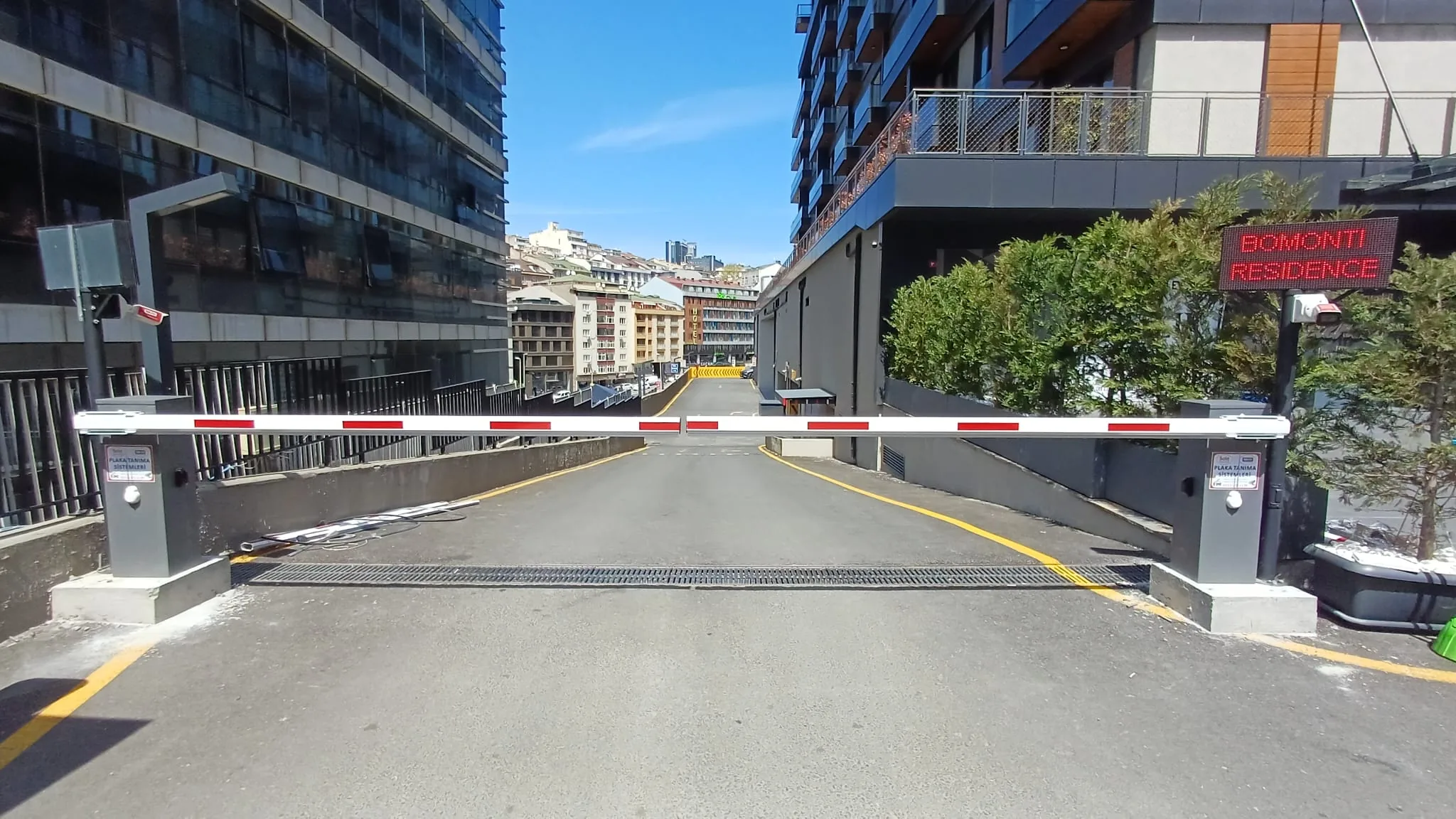
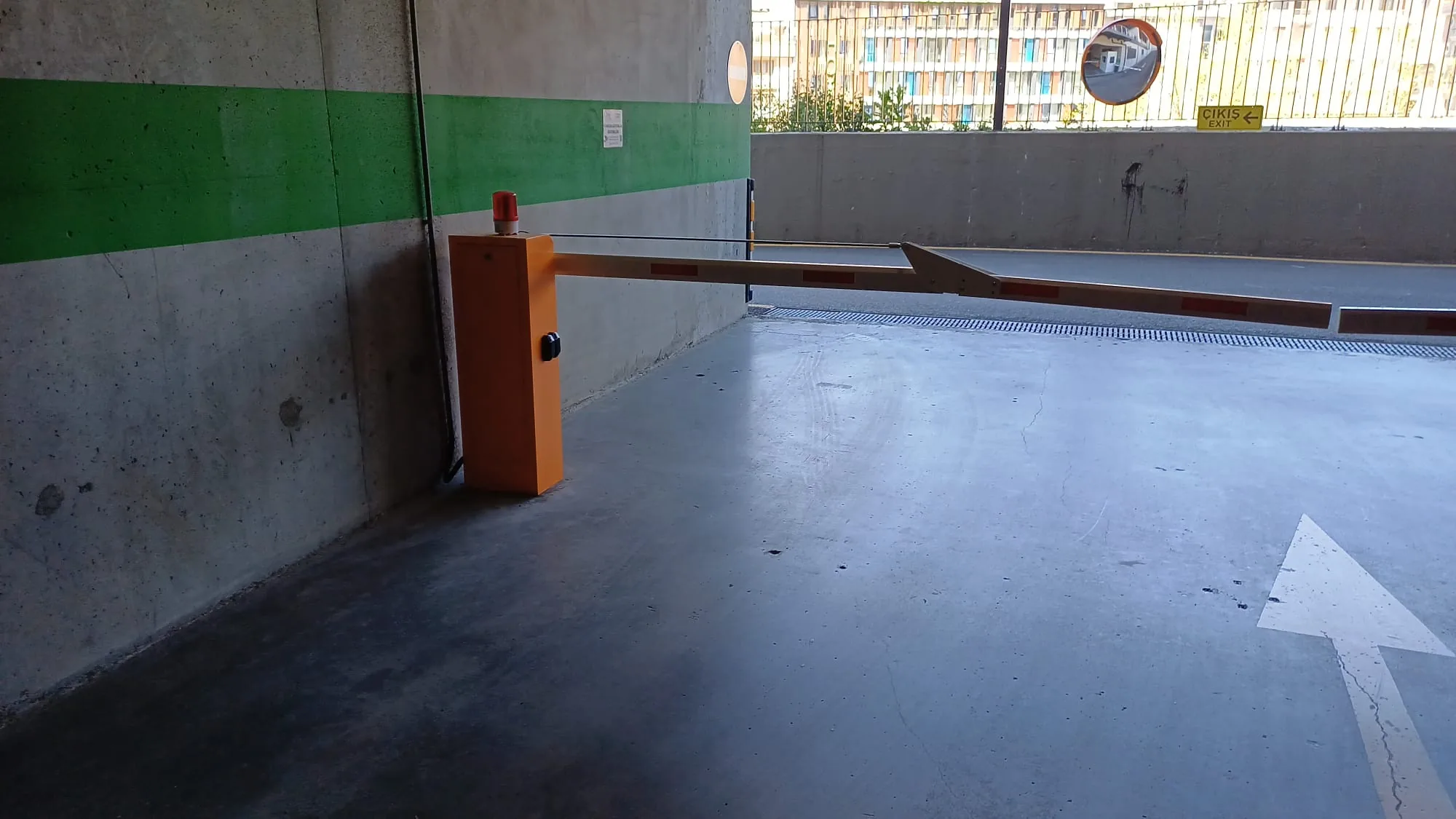
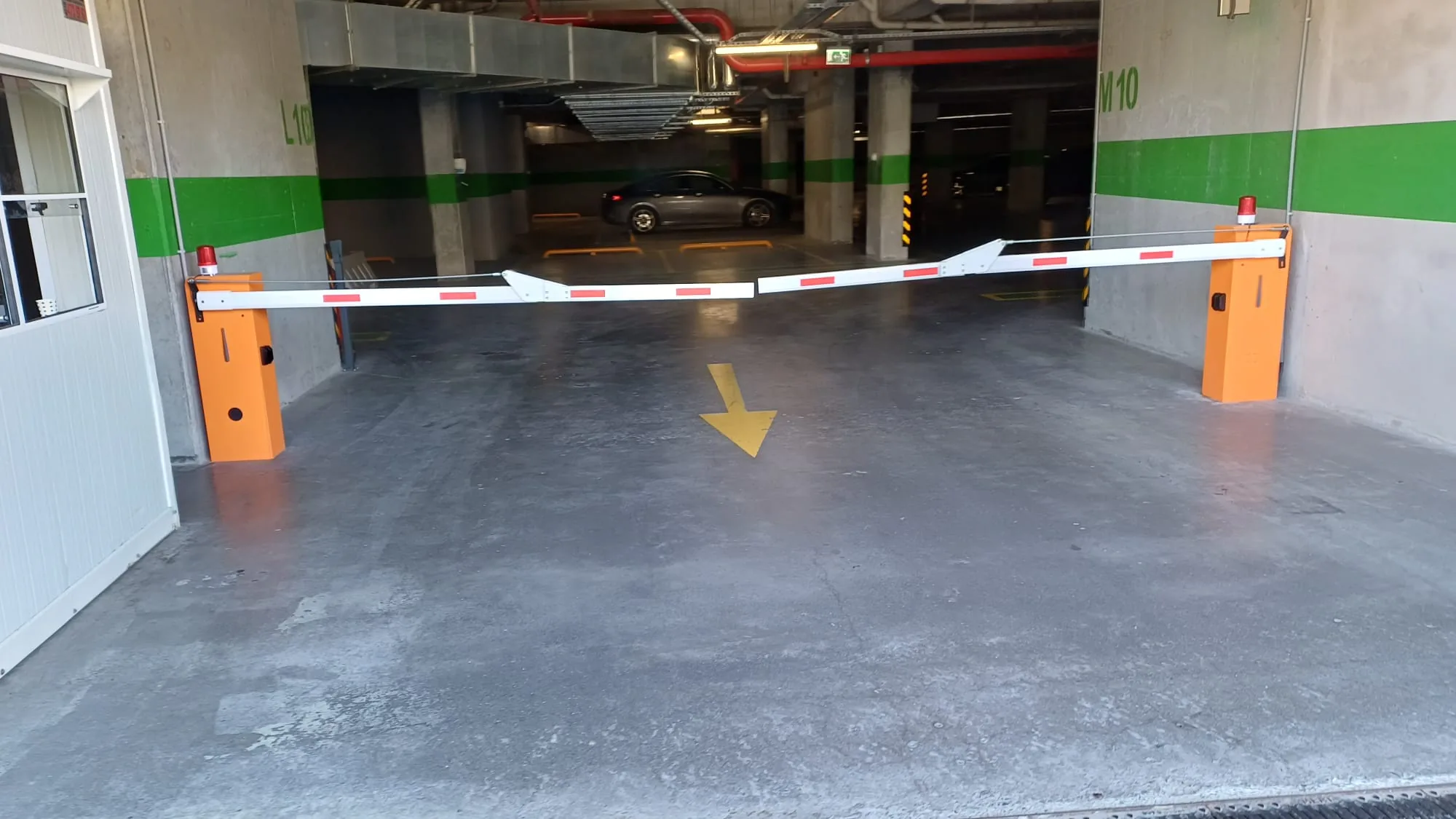
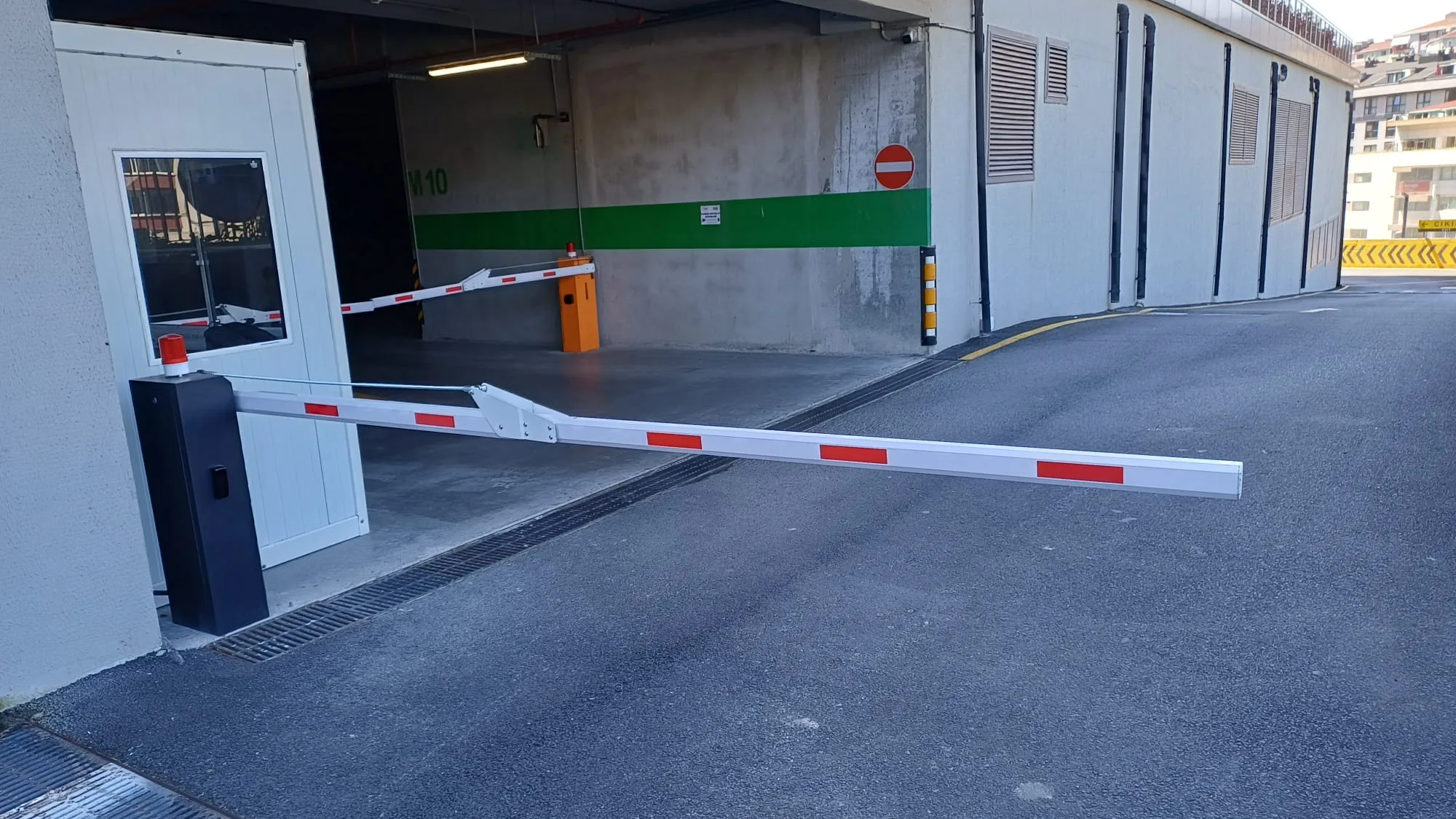
Direct answer: A PLC-controlled license plate recognition system is an industrial access control solution in which a software-free plate-reading camera at the entrance sends the plate it reads as a signal to the PLC device in the panel; the PLC checks this verification together with wireless or wired ground sensors and then opens the barrier or sliding gate. The same principle applies at the exit, so vehicles can safely enter and exit through a single door.
What is PLC-controlled license plate recognition?
A PLC (Programmable Logic Controller) is an industrial controller that manages the barrier, sliding gate, traffic light, LED information display and ground crossing sensors from a single center, reliably and safely. Beyond a standard relay card, it cross-checks plate verification against ground sensors, handles multiple scenarios simultaneously, and runs access logic safely at the hardware level, independent of software.
How does it work?
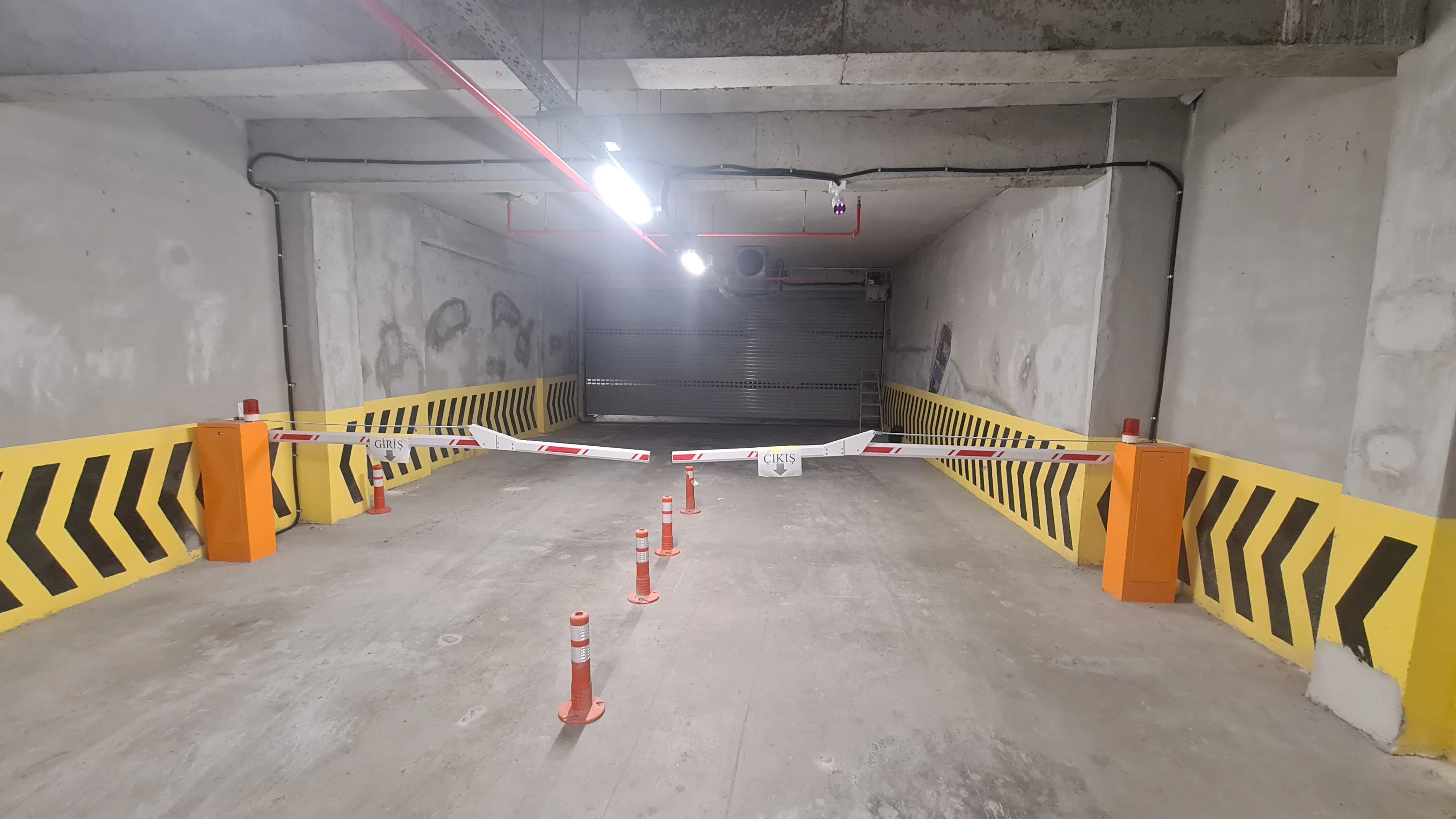
The software-free plate-reading camera installed at the entrance correctly reads the vehicle's plate and sends a signal to the PLC device in the panel. Upon accepting this plate verification signal, the PLC also confirms the vehicle's presence via wireless or wired ground sensors (loop detectors), and then opens the barrier or sliding gate. The system works on the same principle at the exit: the plate is read, the PLC verifies it, and sends the "open" command. This design allows vehicles to both enter and exit through a single door.
Ground sensors and smart software
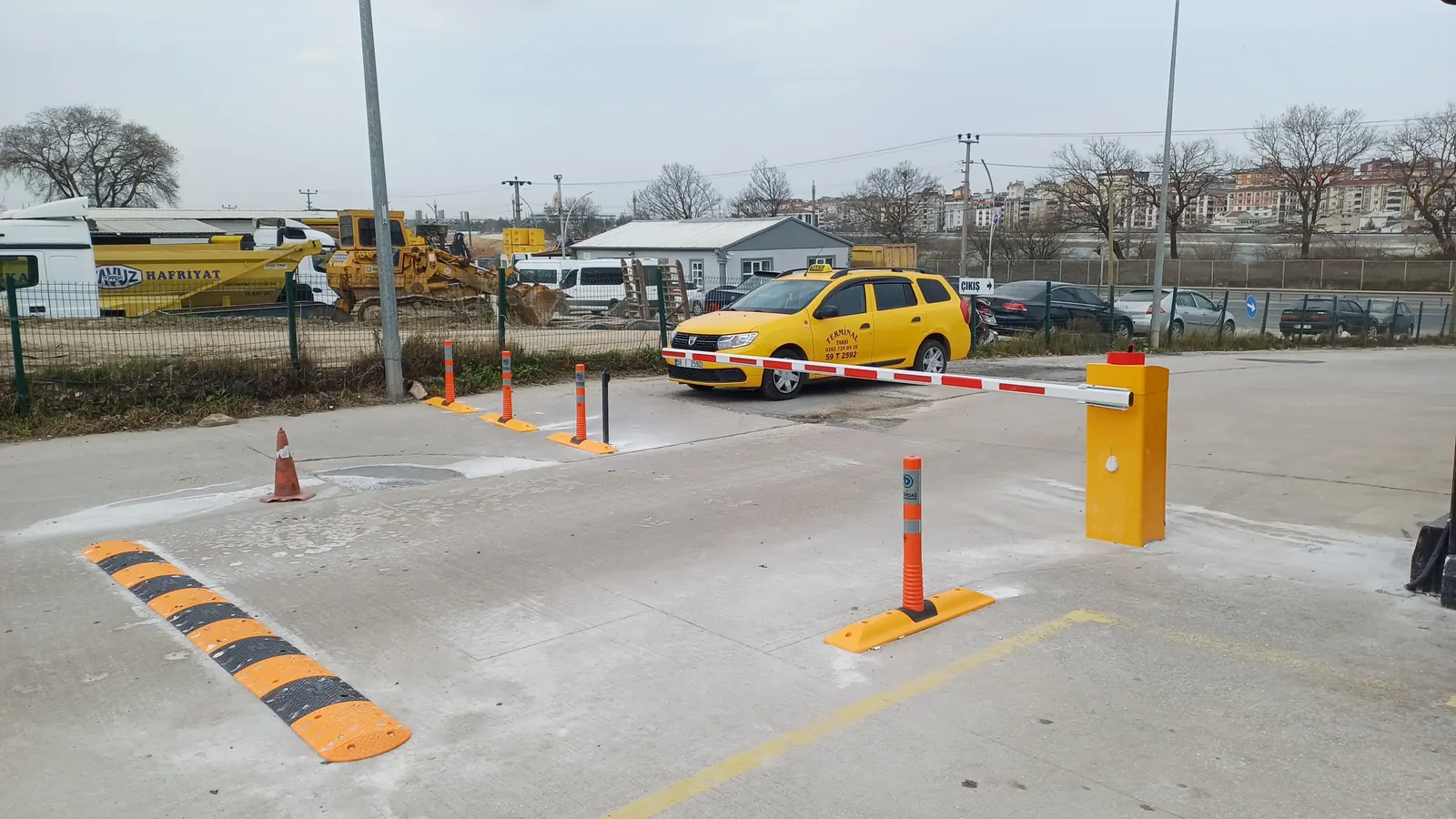
Wireless or wired ground sensors combined with the smart software on the PLC ensure the plate-reading system works smoothly. The sensors confirm the vehicle is actually at the crossing point, preventing false openings; they also improve safety by stopping the barrier from closing while a vehicle is underneath it. This delivers a two-layer verification based not only on camera reading but also on physical vehicle detection.
Emergency scenarios (fire/earthquake)
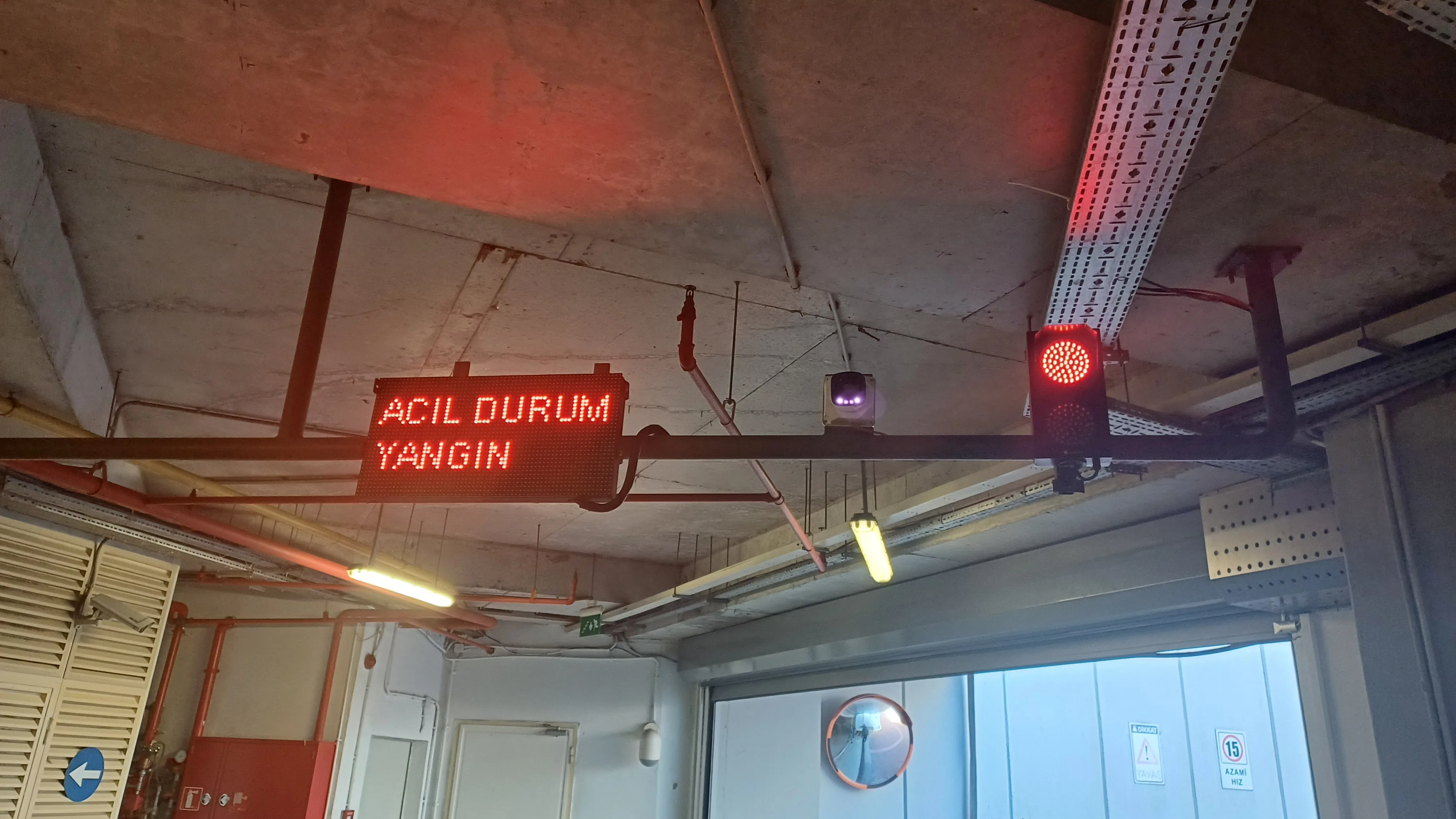
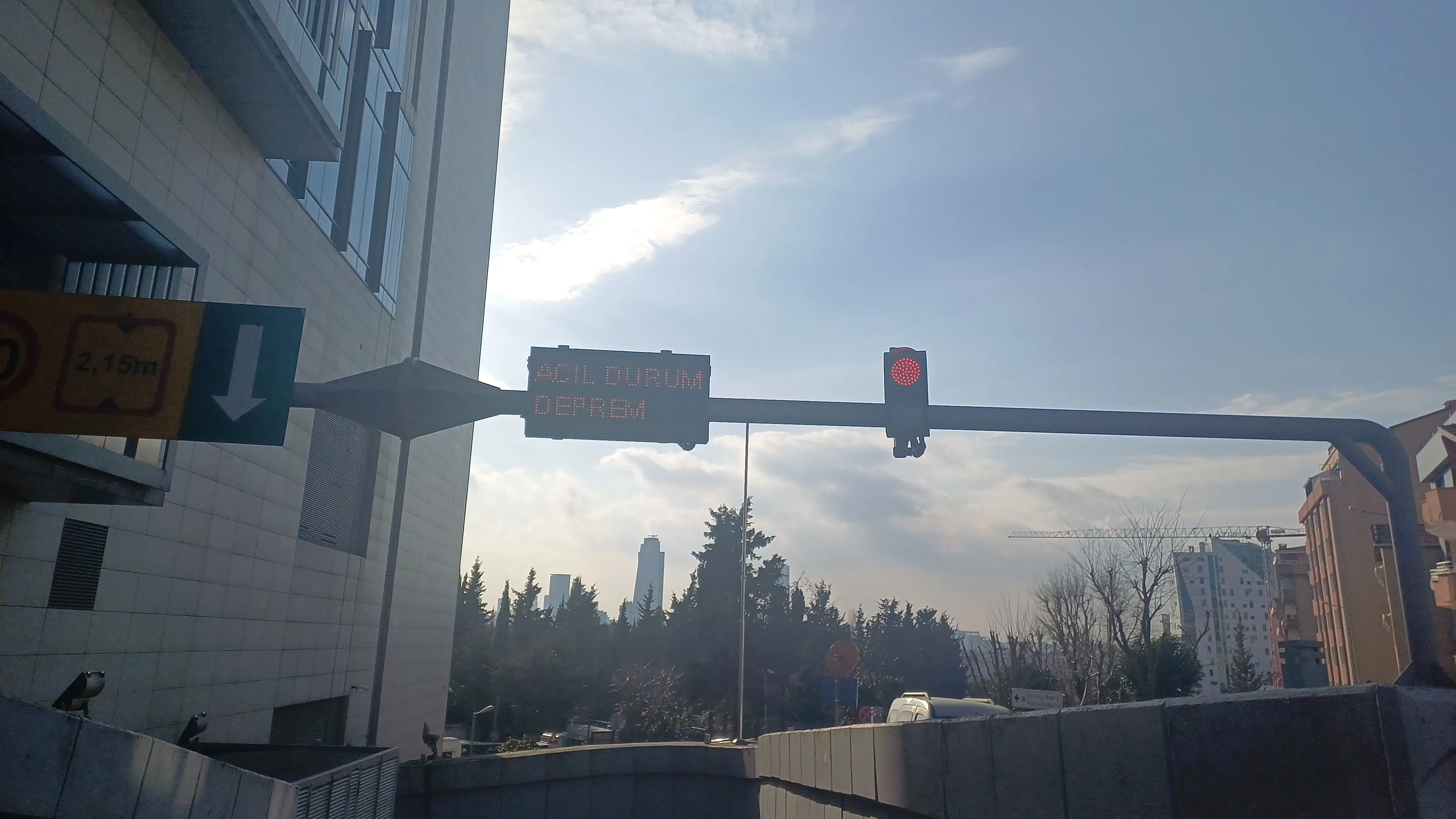
The most important advantage of a PLC-controlled system is emergency integration. When a fire or earthquake alarm reaches the PLC, the system automatically opens all barriers to speed up evacuation and shows an "EMERGENCY — FIRE" or "EMERGENCY — EARTHQUAKE" warning on the entry/exit LED displays. Because this behavior is defined at the hardware-logic level, independent of software, it stays on the safe side even during a power or software outage.
Which facilities is it preferred for?
It is preferred at multi-entrance, high-traffic shopping malls, residences, business centers, hospitals, university campuses and covered parking facilities, as well as at safety-critical buildings where a fire/earthquake evacuation scenario is mandatory. For single-entrance points with low management needs, software-free operation or standard classic online software-based license plate recognition solutions may be more economical.
System components
| Control unit | PLC (programmable logic controller) |
|---|---|
| Plate reading | Software-free camera (sends signal to the PLC) |
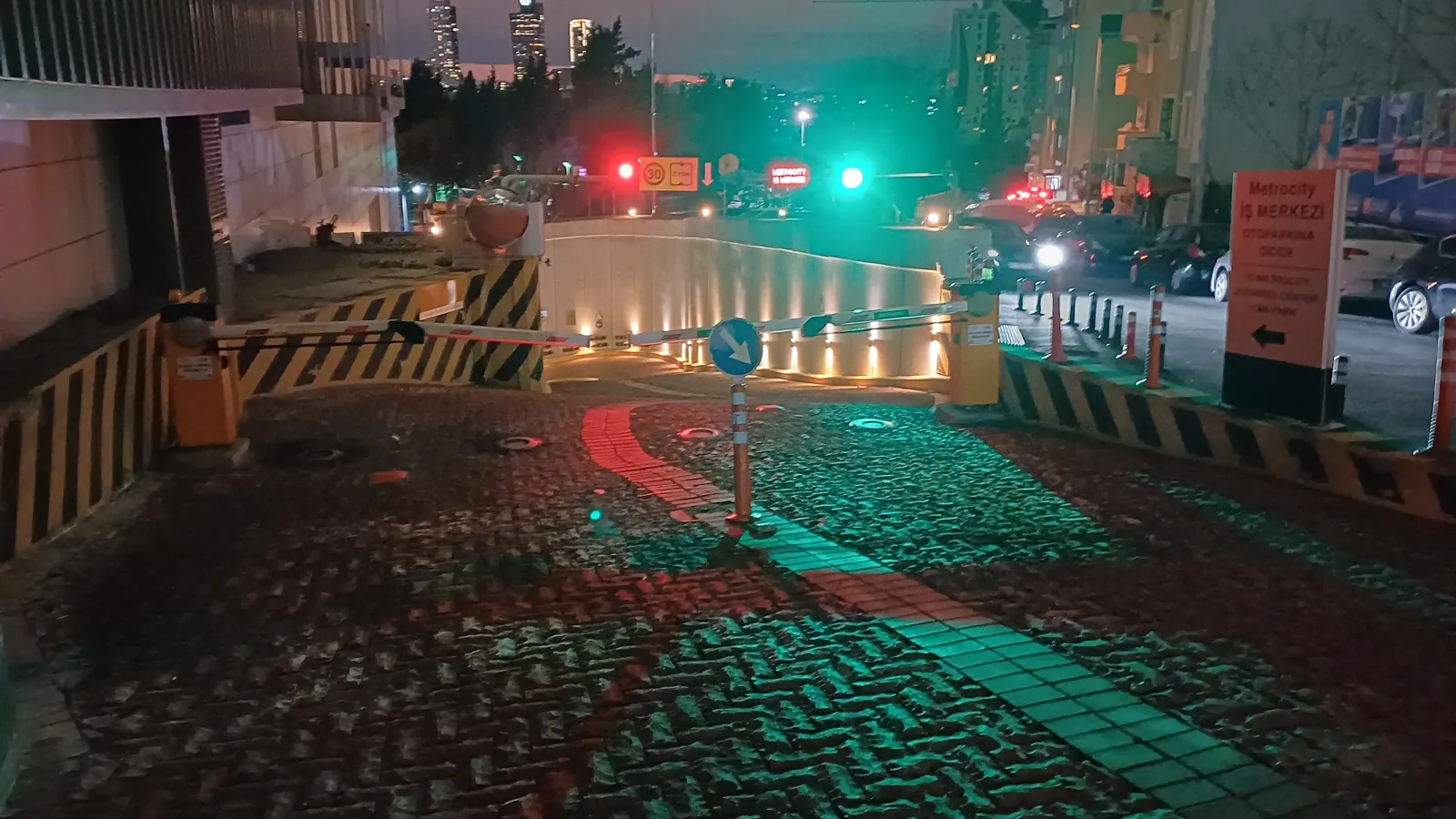
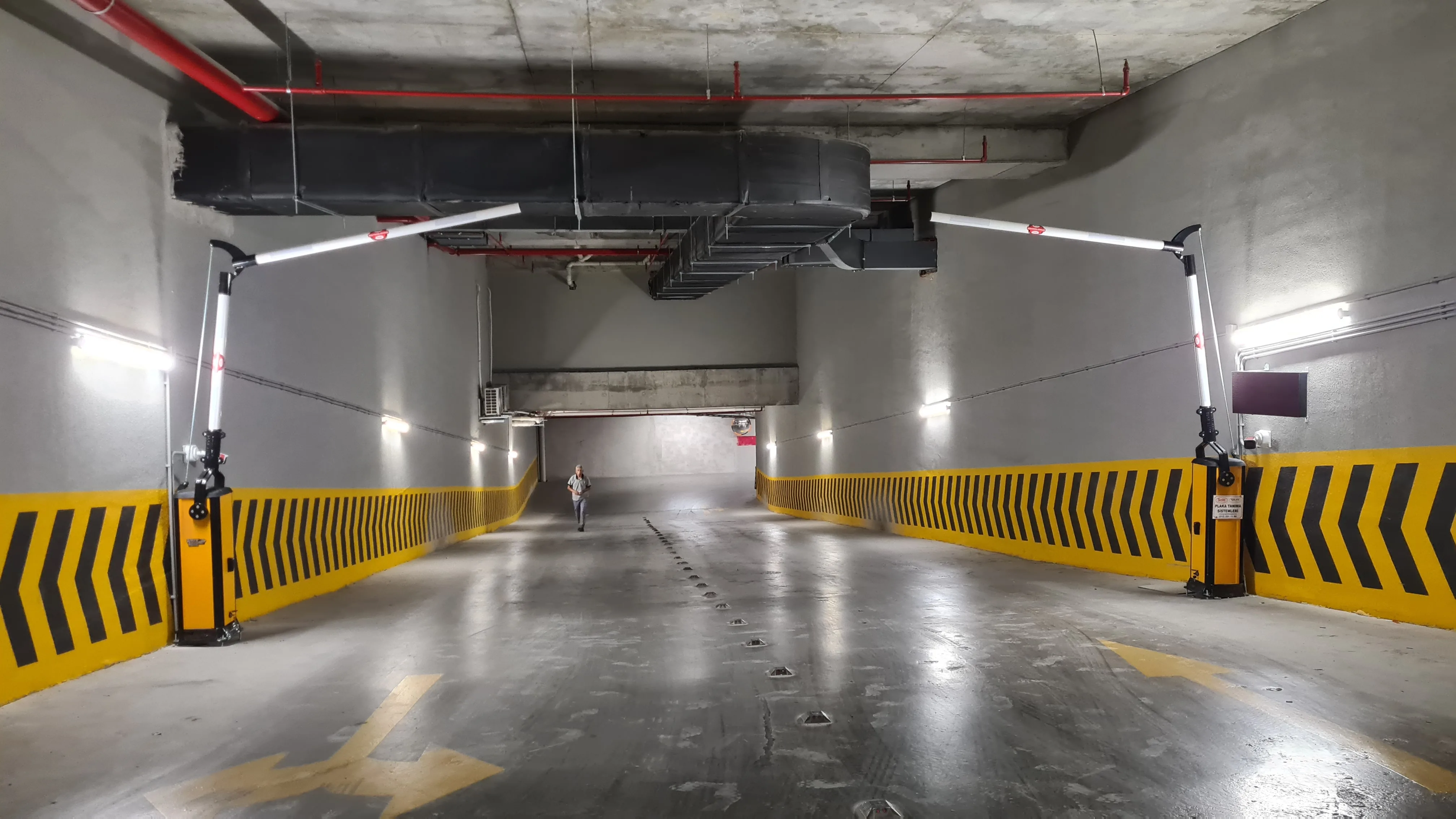
| Access hardware | Boom barrier or sliding gate, traffic light, LED display |
| Ground sensor | Wireless or wired (loop detector) |
| Access direction | Entry-exit through a single door |
| Safety | Loop detector, photocell, emergency stop button |
| Emergency | All barriers open automatically on a fire/earthquake alarm |
| Cabinet panel | PoE, switch, PLC, relay card, electrical protection |
| Communication | TCP/IP (all devices on the same switch/network) |
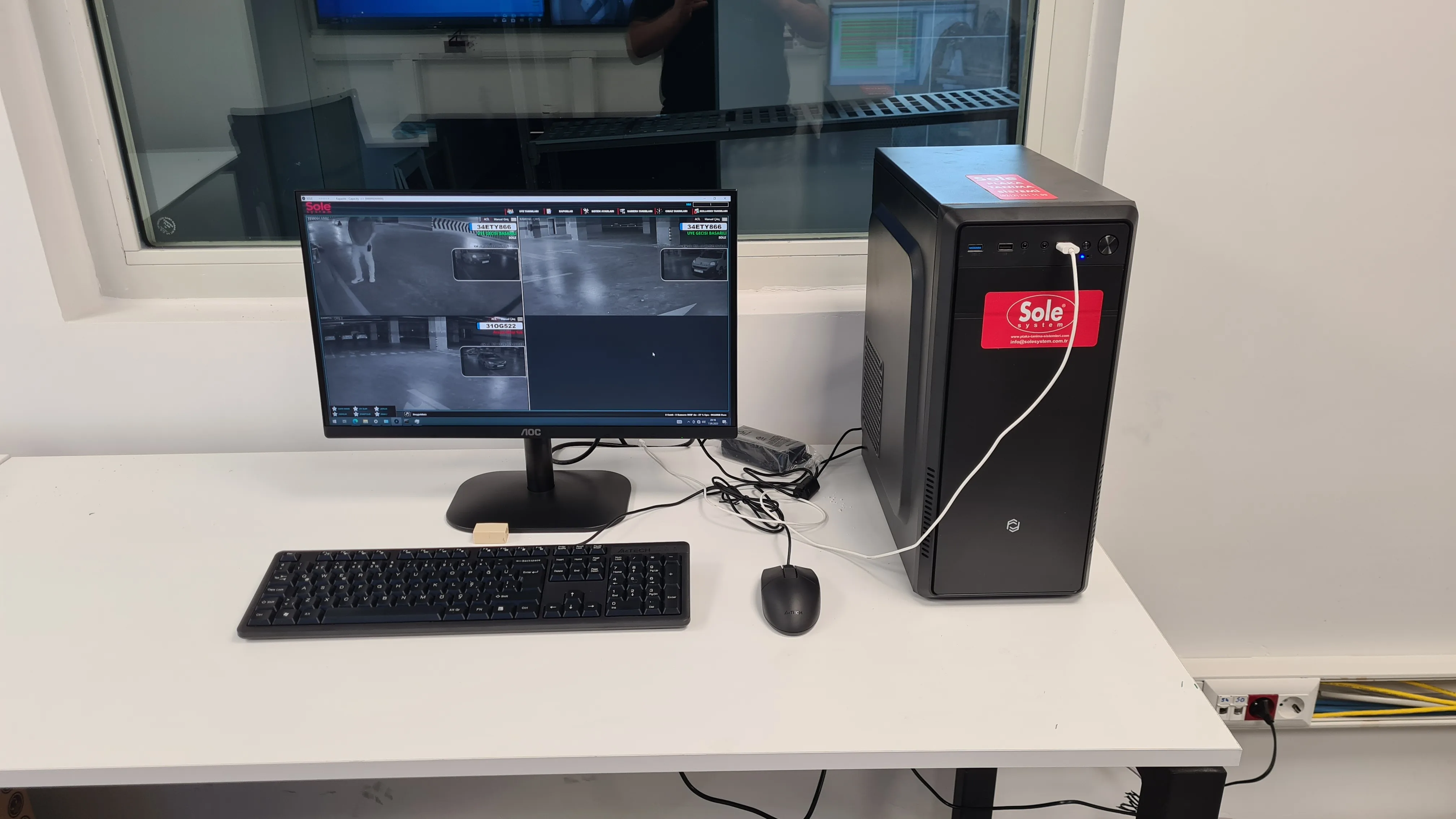
| Software | License plate recognition + photo-logged entry/exit records |
Frequently asked questions
Can both entry and exit happen through a single door?
Yes. The system works on the same principle for entry and exit — as each plate is read, the PLC verifies it and opens the barrier/sliding gate, so vehicles can both enter and exit through a single door.
What are the ground sensors for?
Wireless or wired ground sensors (loop detectors) confirm that a vehicle is actually at the crossing point; they prevent false openings and improve safety by stopping the barrier from closing while a vehicle is underneath it.
What is a PLC-controlled license plate recognition system?
It is a license plate recognition solution where the barrier, traffic light, LED information display and emergency scenarios are managed via a programmable logic controller (PLC); the plate recognition software identifies the vehicle, while the PLC controls the access hardware according to defined logic.
What does the system do in a fire or earthquake?
When a fire or earthquake alarm reaches the PLC, the system automatically opens all barriers to speed up evacuation and displays an emergency warning on the LED information screens.
Which facilities is a PLC-controlled system preferred for?
It is preferred at multi-entrance, high-traffic, safety-critical facilities such as shopping malls, residences, business centers, hospitals and campus parking lots that require centralized logic control.
Last updated: July 21, 2026 · Technical content: Gray Teknoloji project team
Get a free site survey and quote →